Where Mountains Meet the Sahara: Amazigh Communities of the Anti-Atlas
Visual Stories
Where Mountains Meet the Sahara
Amazigh Communities of the Anti-Atlas
Where Mountains Meet the Sahara:
Amazigh Communities of the Anti-Atlas
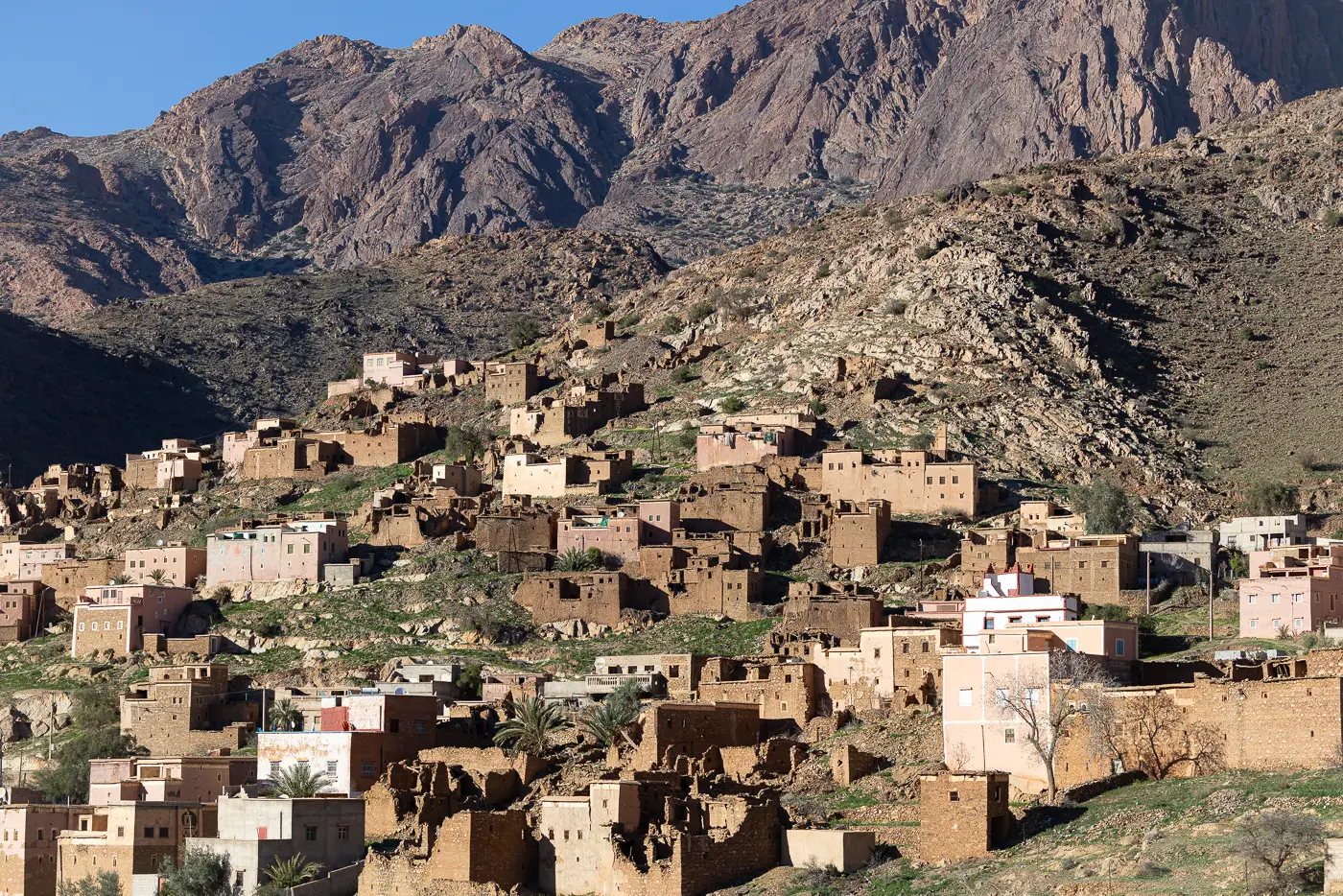
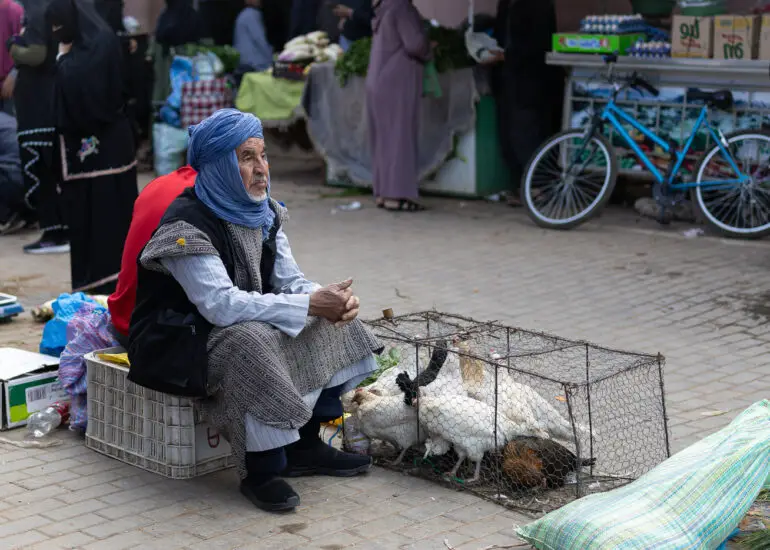
This visual story explores Amazigh communities in Morocco’s Anti-Atlas, where mountains meet the Sahara, capturing culture, landscapes, and daily life through photography and storytelling.
From remote villages to desert-edge landscapes, this story documents life in one of Morocco’s most culturally rich and visually striking regions.
Traveling across Morocco’s Anti-Atlas Mountains and into the Sahara, we explored Amazigh communities shaped by centuries of caravan trade. From weaving traditions in Taznakht to oasis life in Skoura and nomadic camps in Erg Chigaga, the journey offered a glimpse into cultures that continue to thrive along the edge of the desert.


Amazigh Weaving Traditions in Taznakht
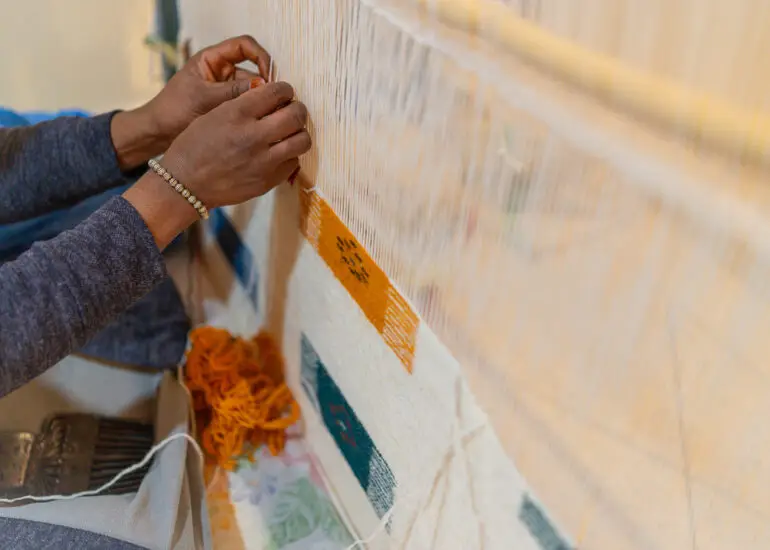
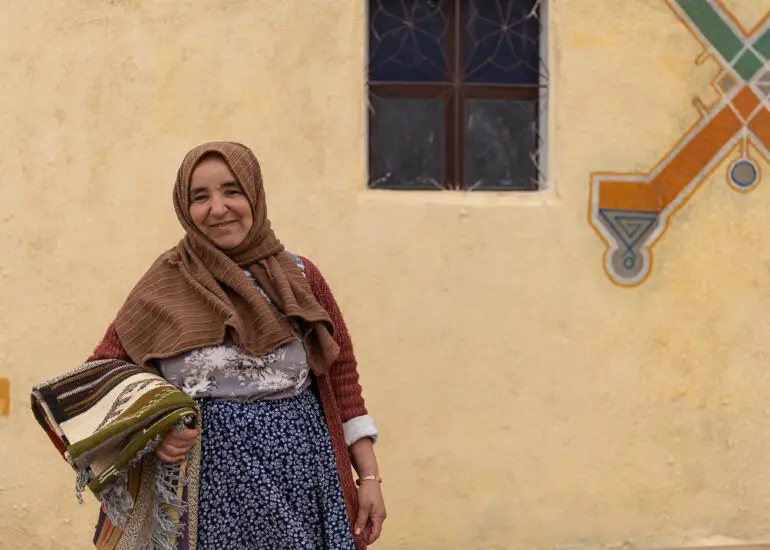
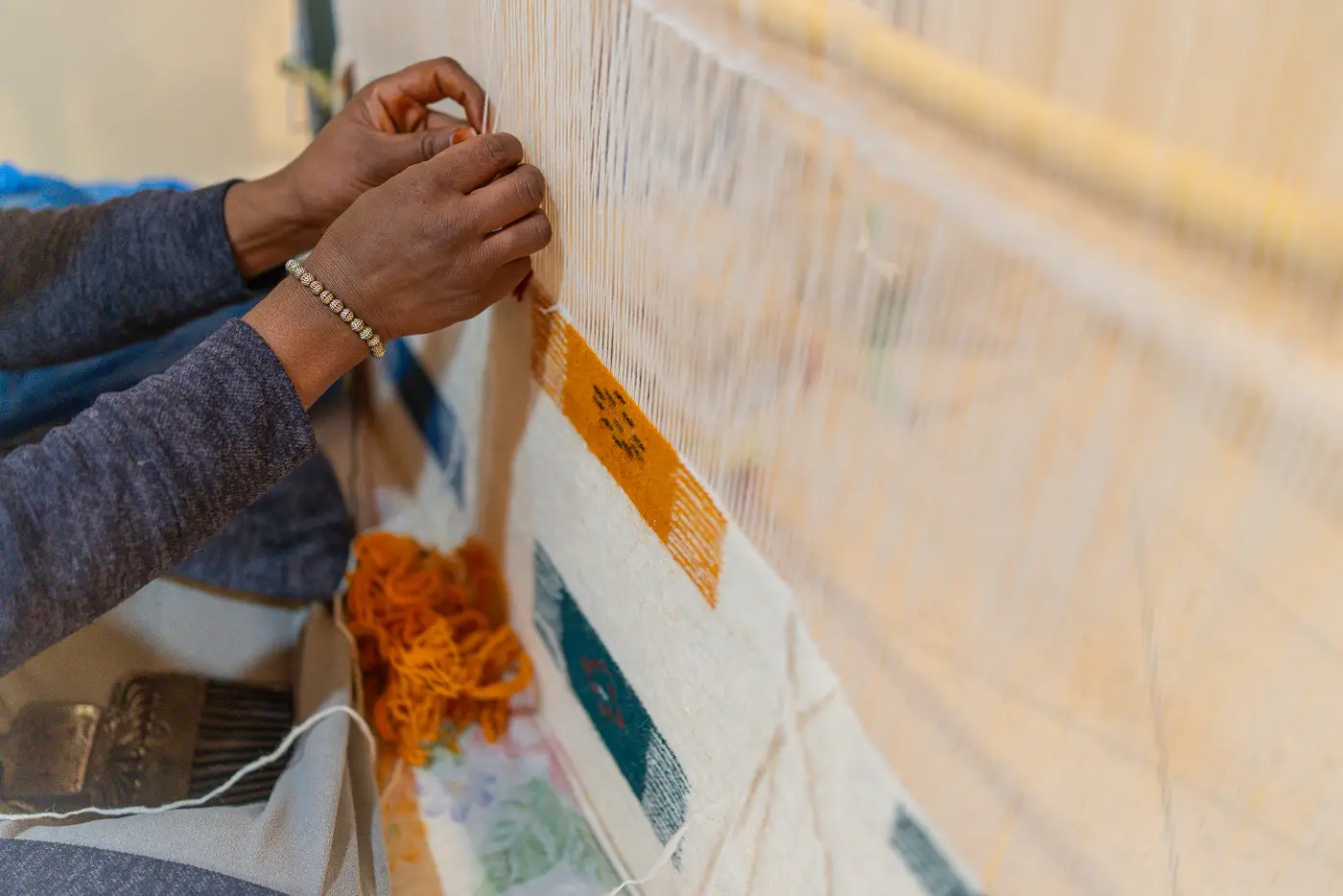
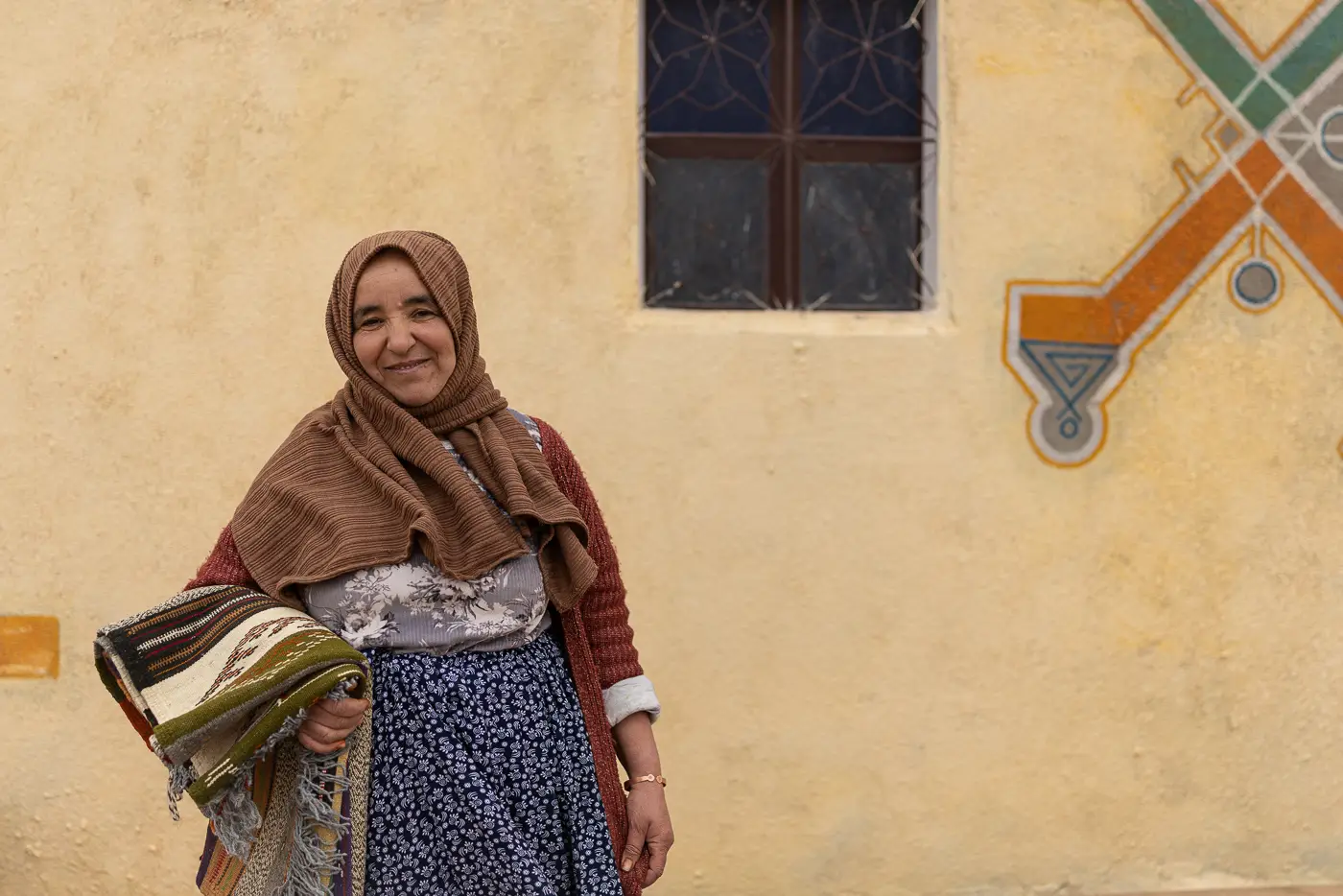
Our experience with Amazigh communities began in the small town of Taznakht, a historic Amazigh weaving center on the edge of Morocco’s Anti-Atlas Mountains. Taznakht is known for its distinctive Amazigh rugs.
Woven from local wool and decorated with geometric patterns, rug making here is a tradition passed down through generations of Amazigh women. We spent several nights in Taznakht camping next to the home of a weaving family. We watched women creating rugs and other textiles on traditional looms and purchased several small rugs for our motorhome, each decorated with Amazigh geometric symbols, including diamond shapes associated with protection and patterns that represent the desert and mountains of the Anti-Atlas.
Skoura – Oasis Life Along the Caravan Route
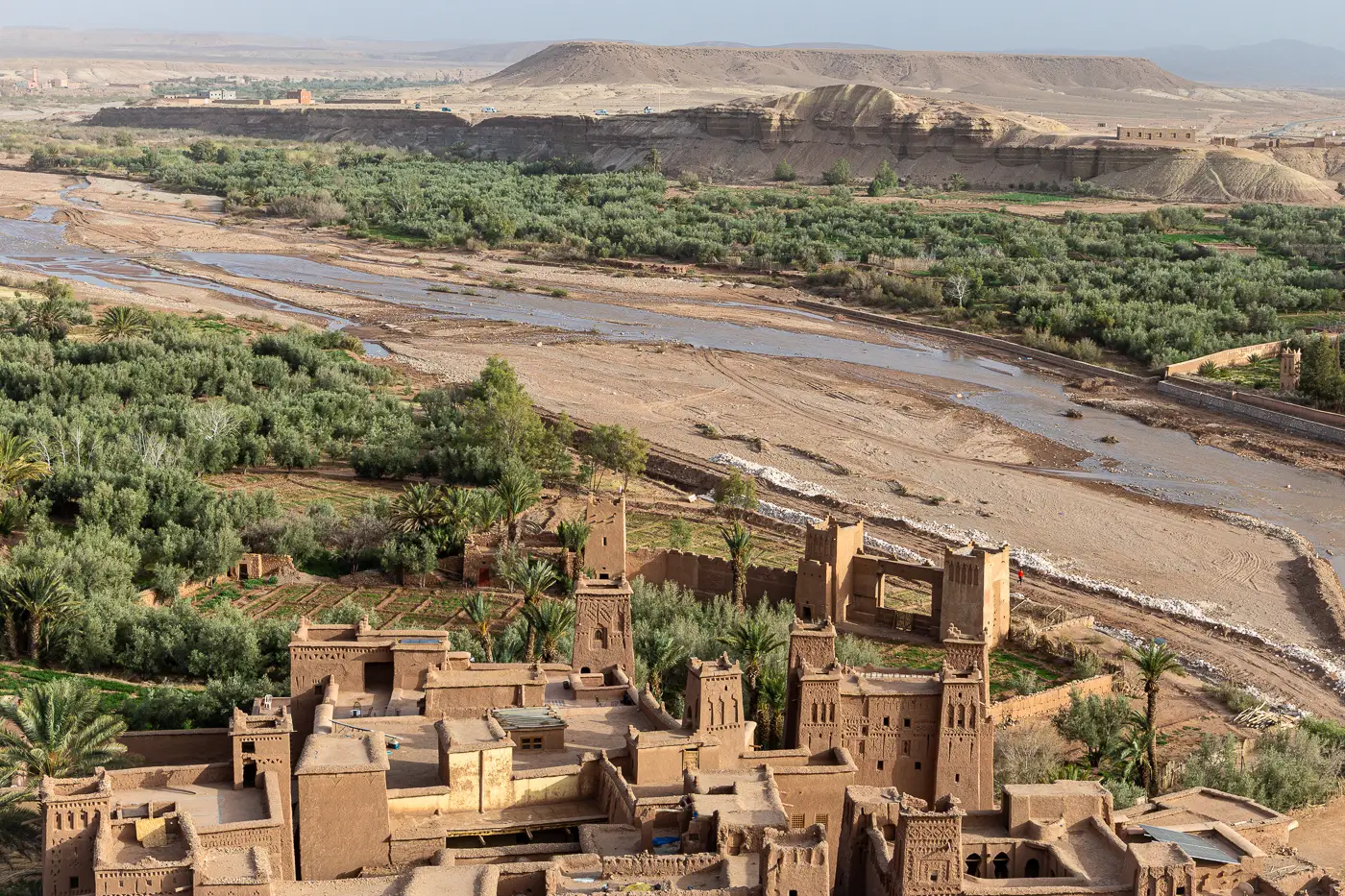
From Taznakht we headed east toward the oasis of Skoura, a huge palm grove or “palmeraie” dotted with kasbahs and small villages.
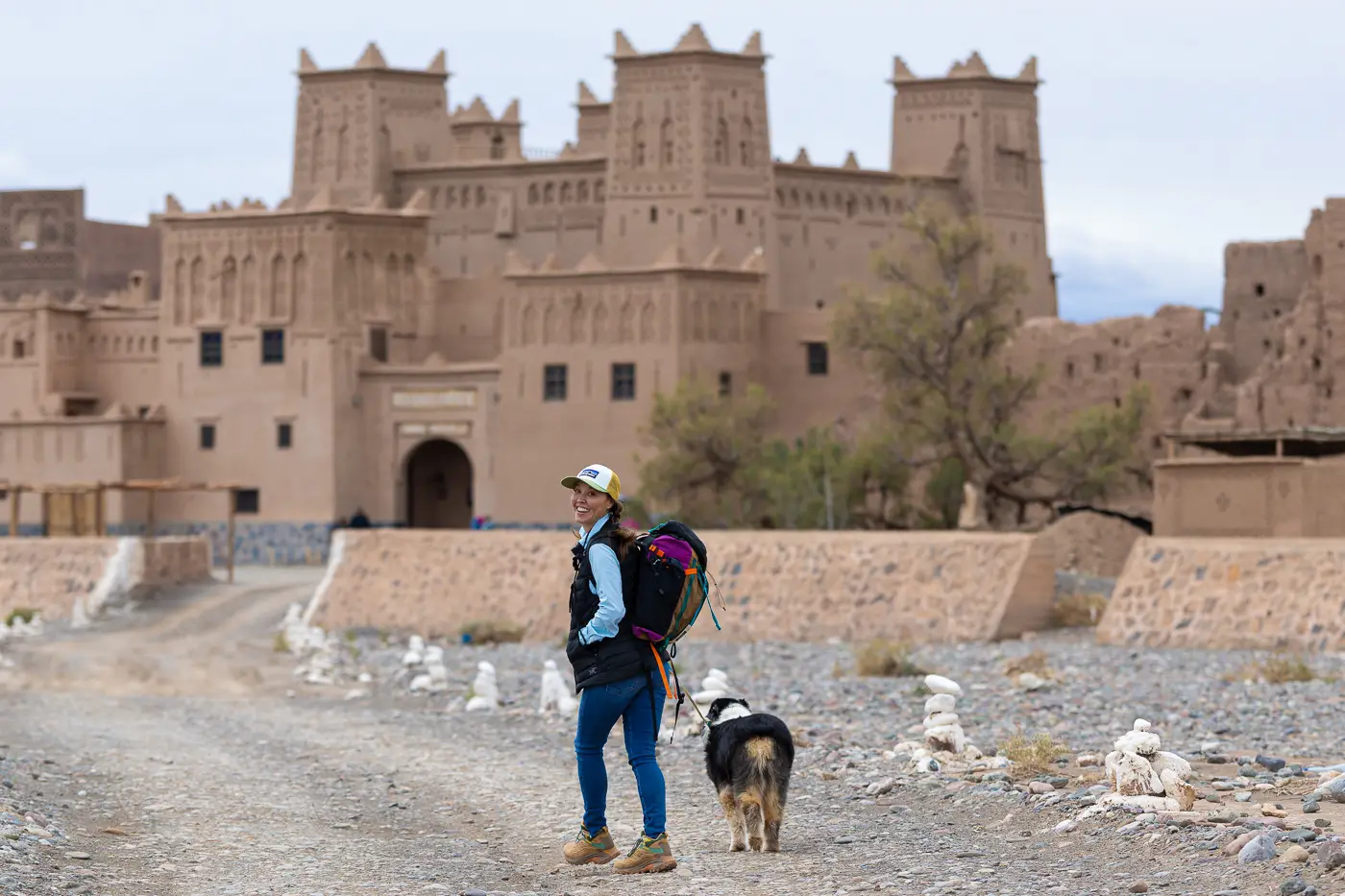
Oases like Skoura were critical to the caravan route, sustaining local communities and traders across the Anti-Atlas. While in Skoura, we spent several days biking and hiking through a maze of narrow paths and farming lanes in the palmeraie, exploring the kasbahs and small villages hidden within the oasis. We also learned what life was like in the kasbahs, including the critical role they played in defending communities and relaying information between settlements and traders moving through the region.
Entering the Sahara – Erg Chigaga
Our journey eventually led us farther south toward M’Hamid, a small dusty town that serves as a gateway to a remote region of the Sahara Desert, including the vast dunes of Erg Chigaga.
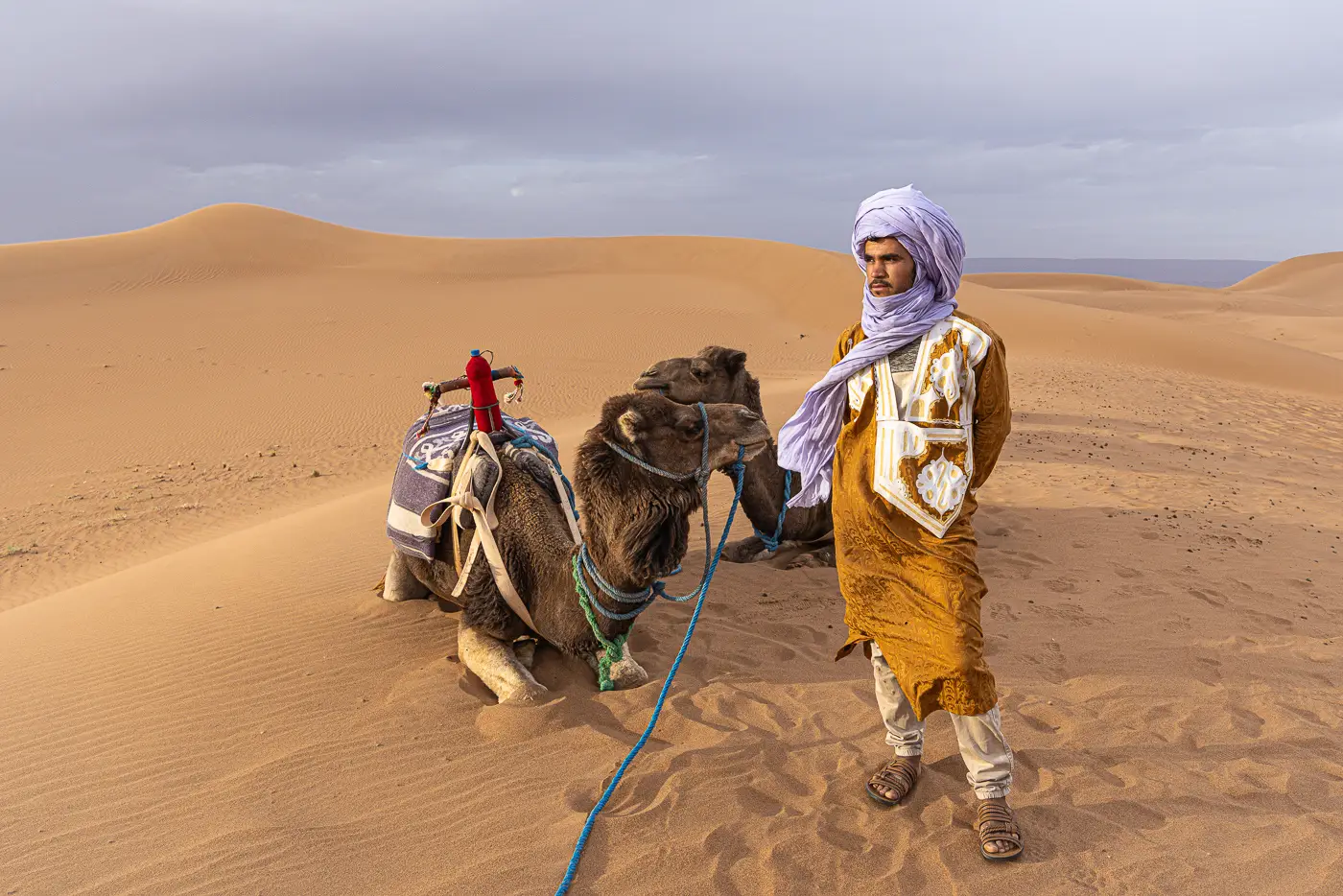
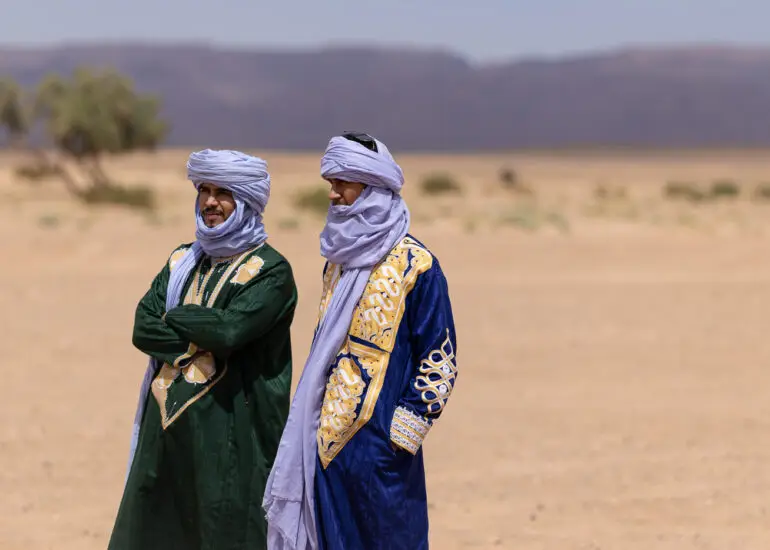
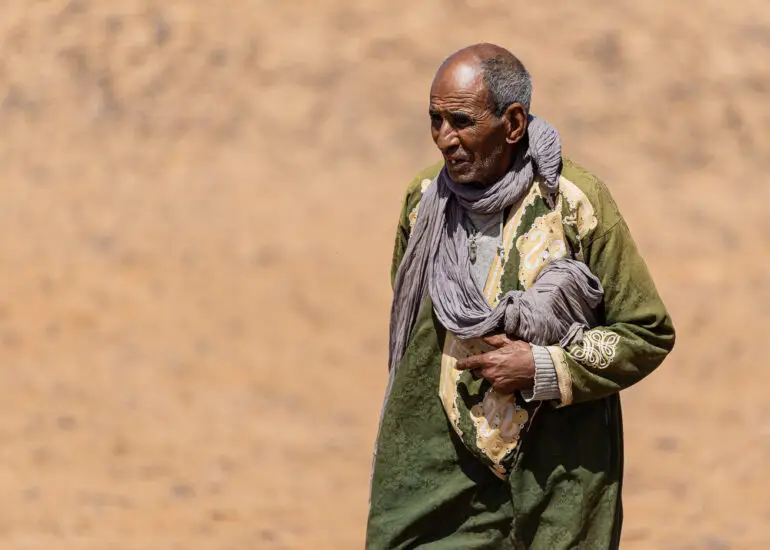
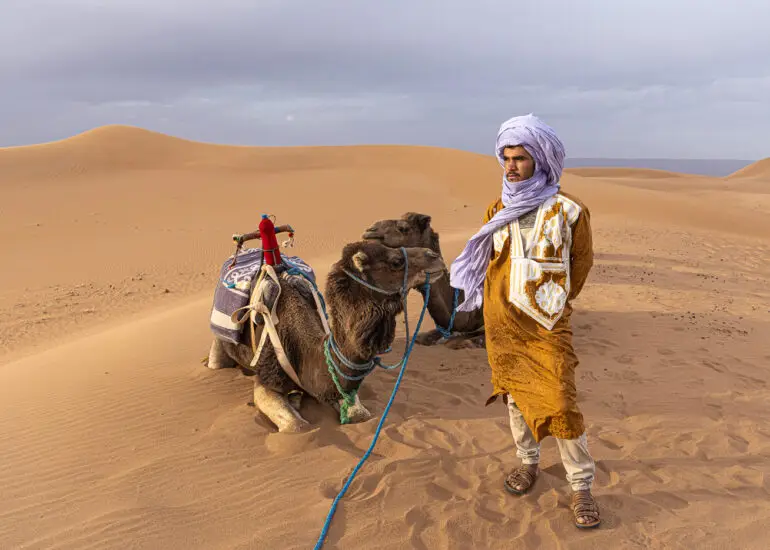
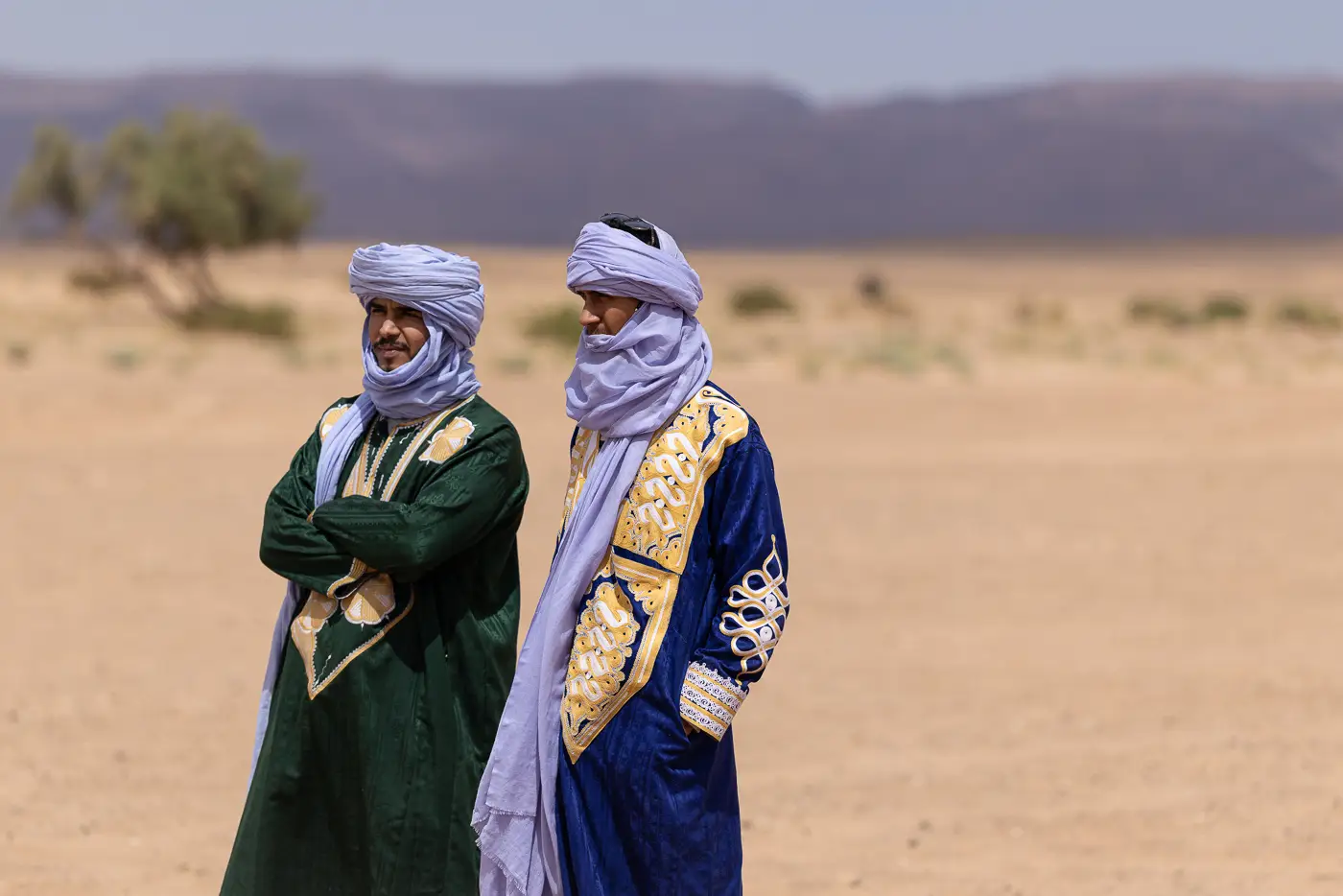
Since we didn’t have the right vehicle to explore the desert, we hired Hassan, a local guide from an Amazigh family that has lived in the region for generations. Hassan is deeply connected to the people who live in Erg Chigaga, including the nomadic communities scattered across the hamada, a stark landscape of volcanic rock that locals call the “black desert.”
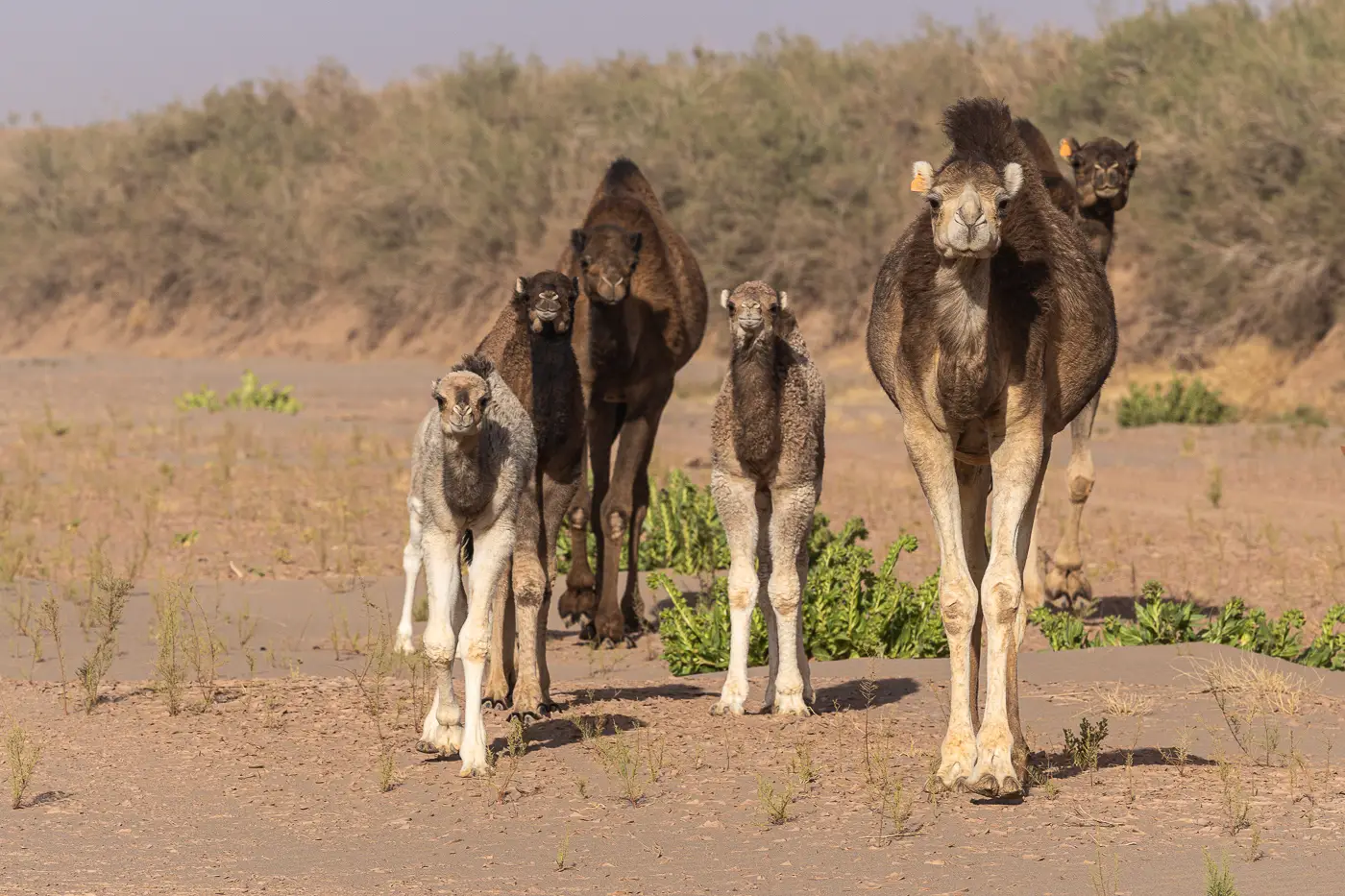
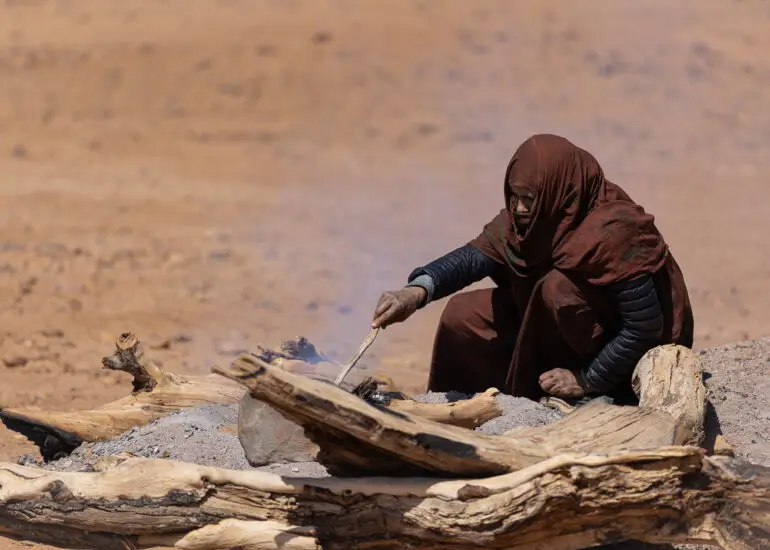
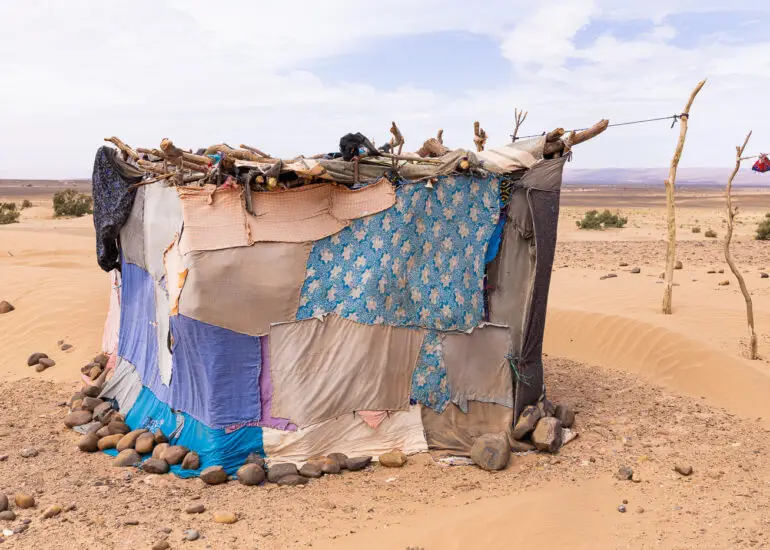
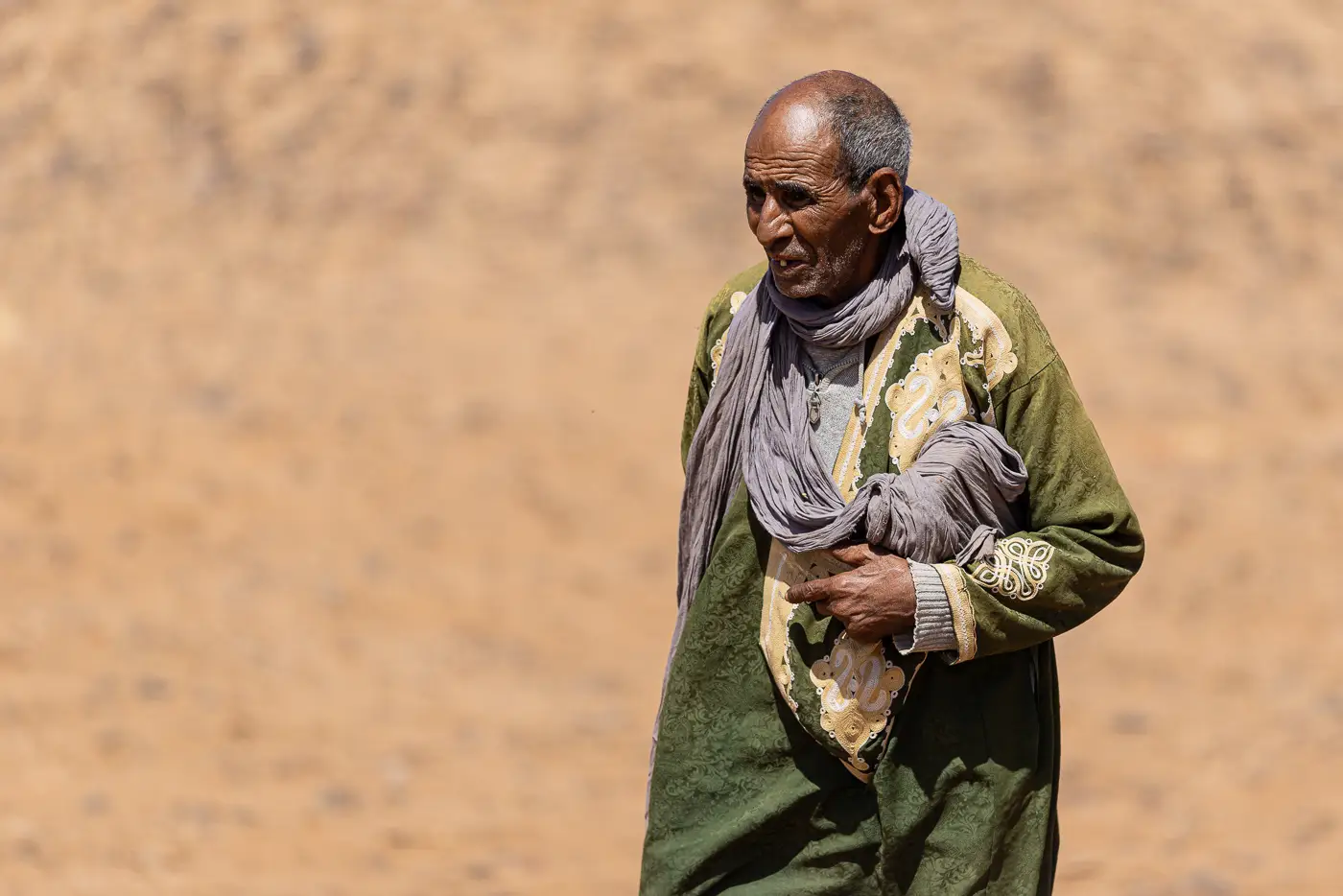
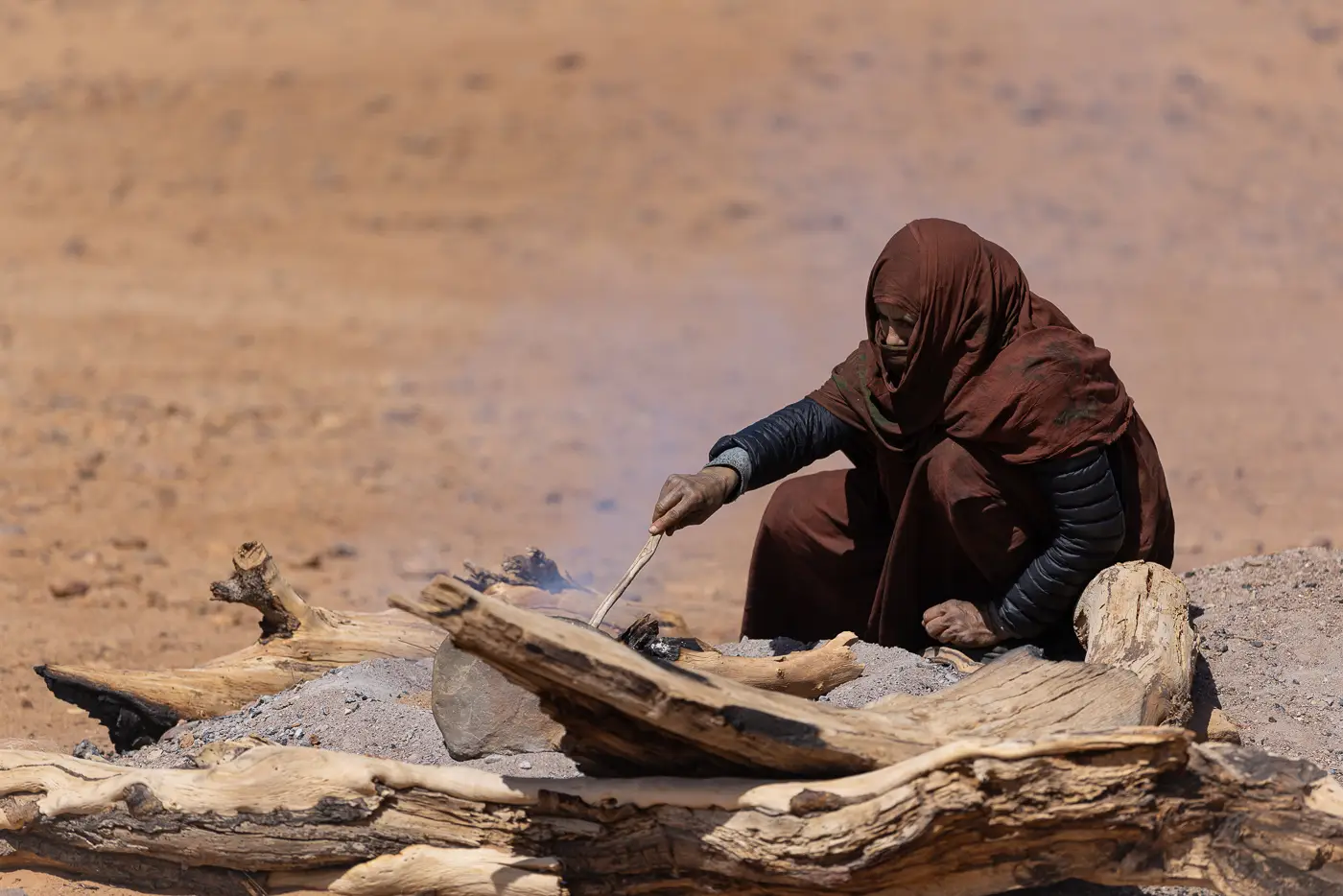
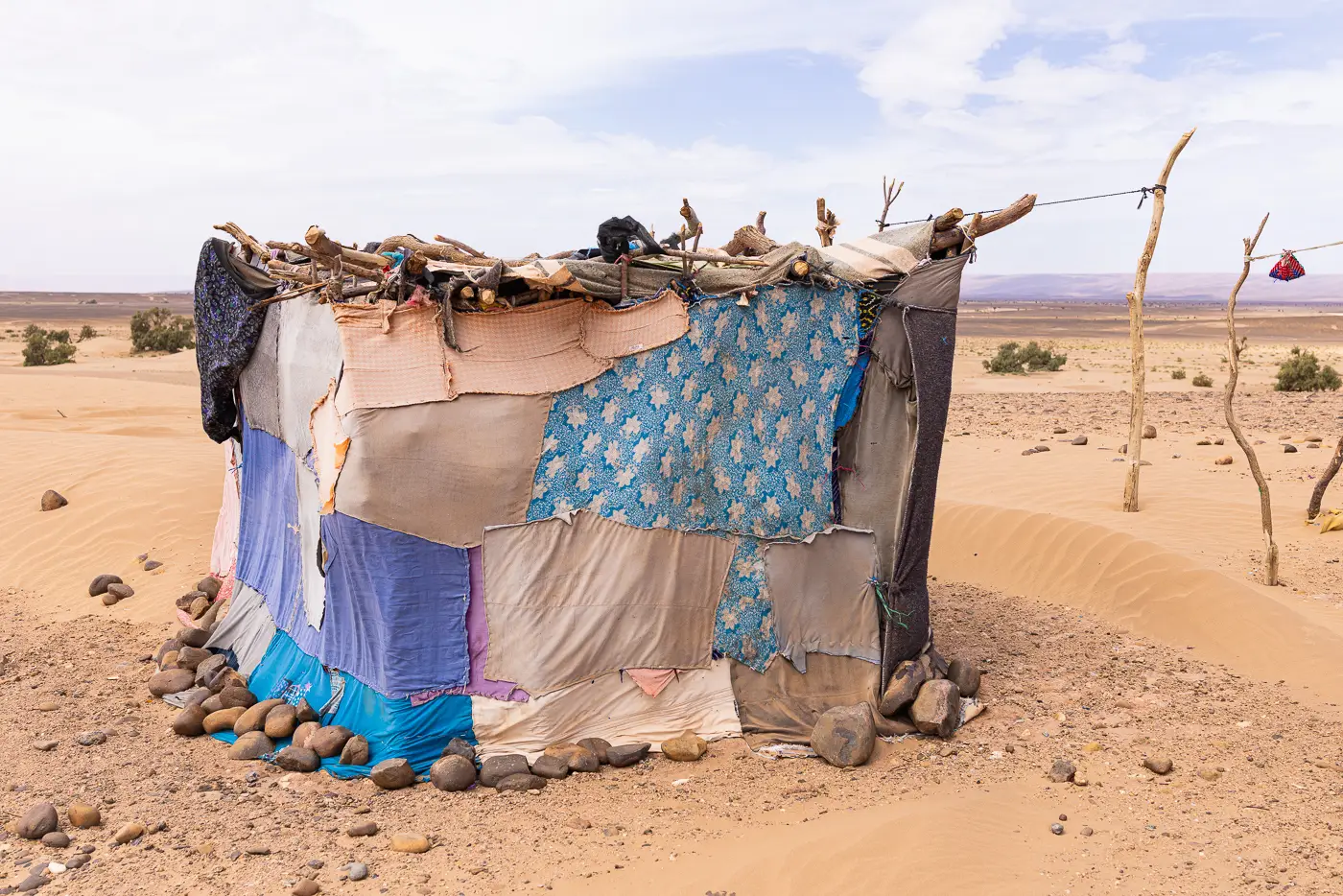
As we traveled deeper into the desert, we began to encounter the nomadic herding communities that still live in this remote landscape. These families move their camps periodically in search of grazing land and water, maintaining a way of life that has existed in the Sahara for generations.
Over the four days we spent in Erg Chigaga, we experienced a range of extreme weather, including high winds and unusually heavy rain. At the end of each day we set up camp for the night and explored the dunes at sunset and again at sunrise. The experience gave us a glimpse into what life was—and in some ways still is—like for the generations of herders and traders who have crossed this remote part of the Sahara.
On our last night in the desert, we climbed a dune to watch the sun set and later, after dinner in the tent, saw the glow of the new moon briefly rise behind the dunes, marking the end of Ramadan, the month of fasting observed by Muslims across Morocco. It was a fitting end to our journey through the amazing Amazigh communities that have lived along the edge of the Sahara for centuries.
Recently in Portfolio