France

Adventure Report

France

“Rain, Wine, and Flamingos"

Rain, Wine, and Flamingos

“Finding Our Footing in France”

After a five-year break following our overland adventure from Colorado to Argentina, we decided to take a much bigger plunge: retiring, selling everything—including our house—and traveling to Europe to begin spending four or five years exploring Europe, Northern Africa, and West Asia. For us, this was a huge transition—from a life of comfort and work (including plenty of work-related stress) to a life of full-time travel.

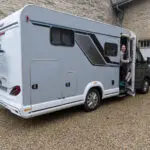
Despite our preparation, the first few weeks of the trip were challenging. We struggled to learn how to use the van we had purchased in France, to get repairs made to our bumper after someone ran into us in a parking lot, and to readjust to life on the road. To make matters worse, we were in a region of France where few people (including our van dealer) spoke a word of English, and the weather was cold and rainy. But as we discovered during our last overland adventure, the first few weeks of any long journey are often the most challenging—especially when you are unfamiliar with your vehicle. And although we chose to stay close to our dealer in northeastern France, enduring the cold and rain while waiting for parts to arrive and repairs and modifications to be completed, we nevertheless had the opportunity to explore a fascinating region of France at a time of year when it was relatively empty.

Northern Burgundy

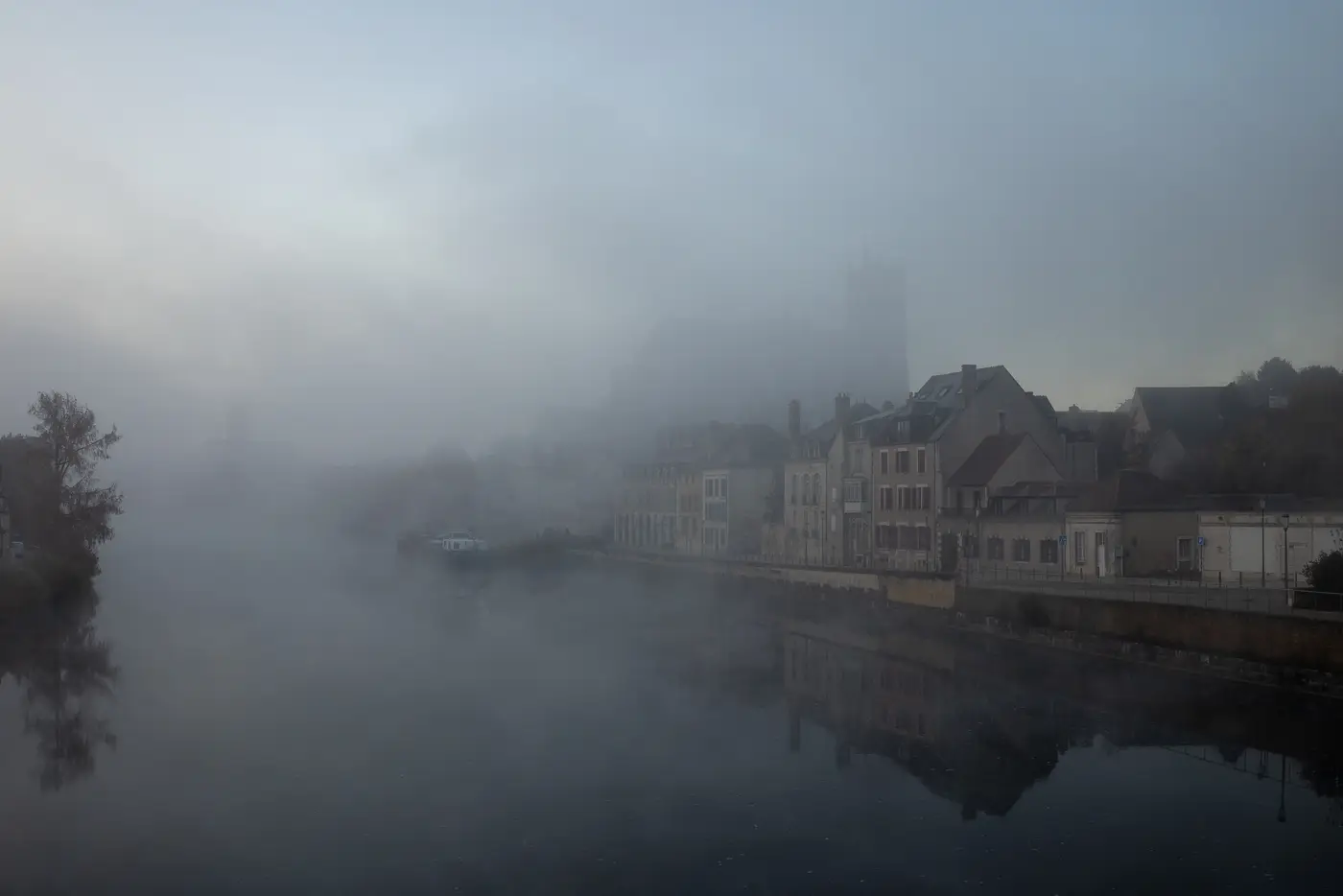
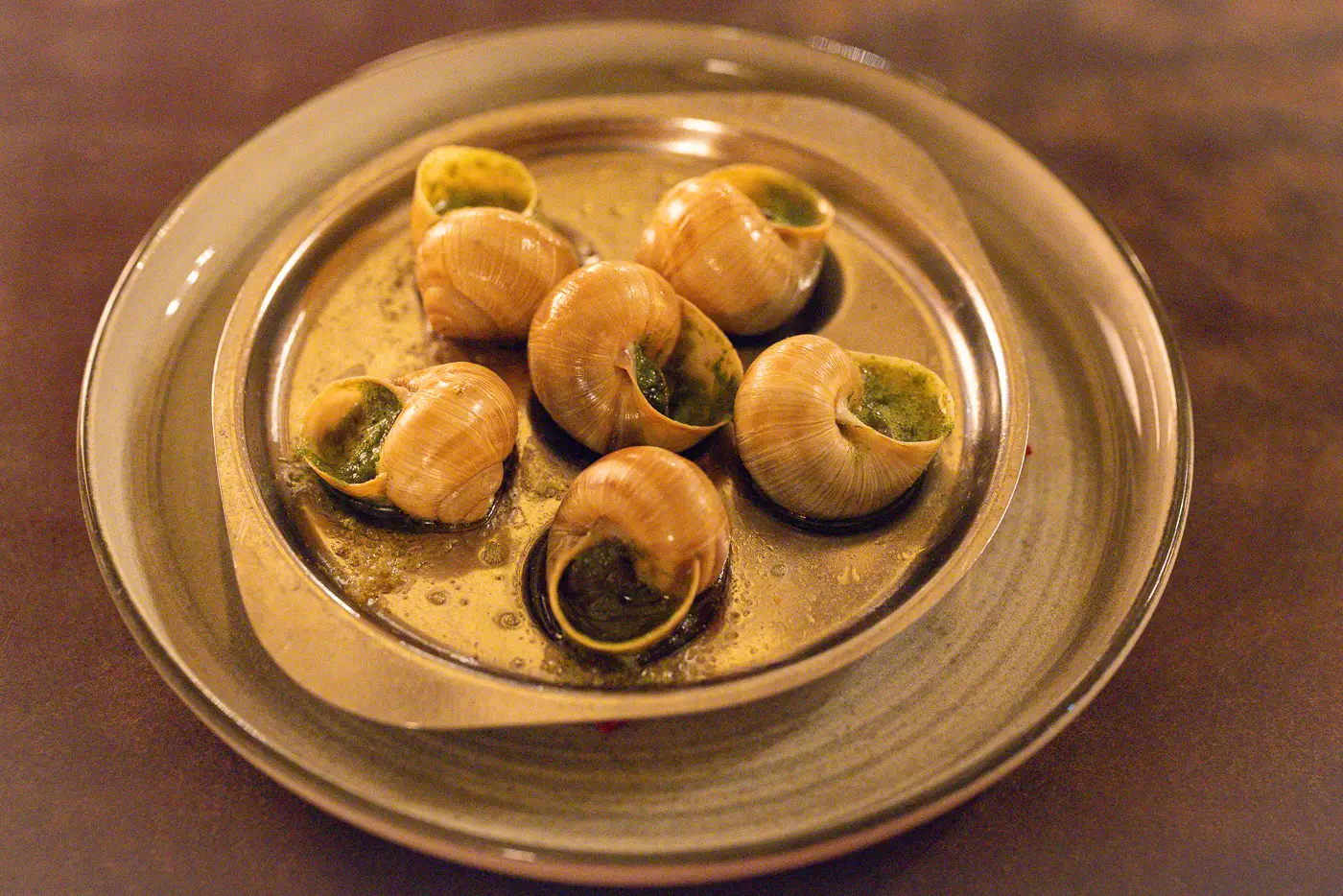
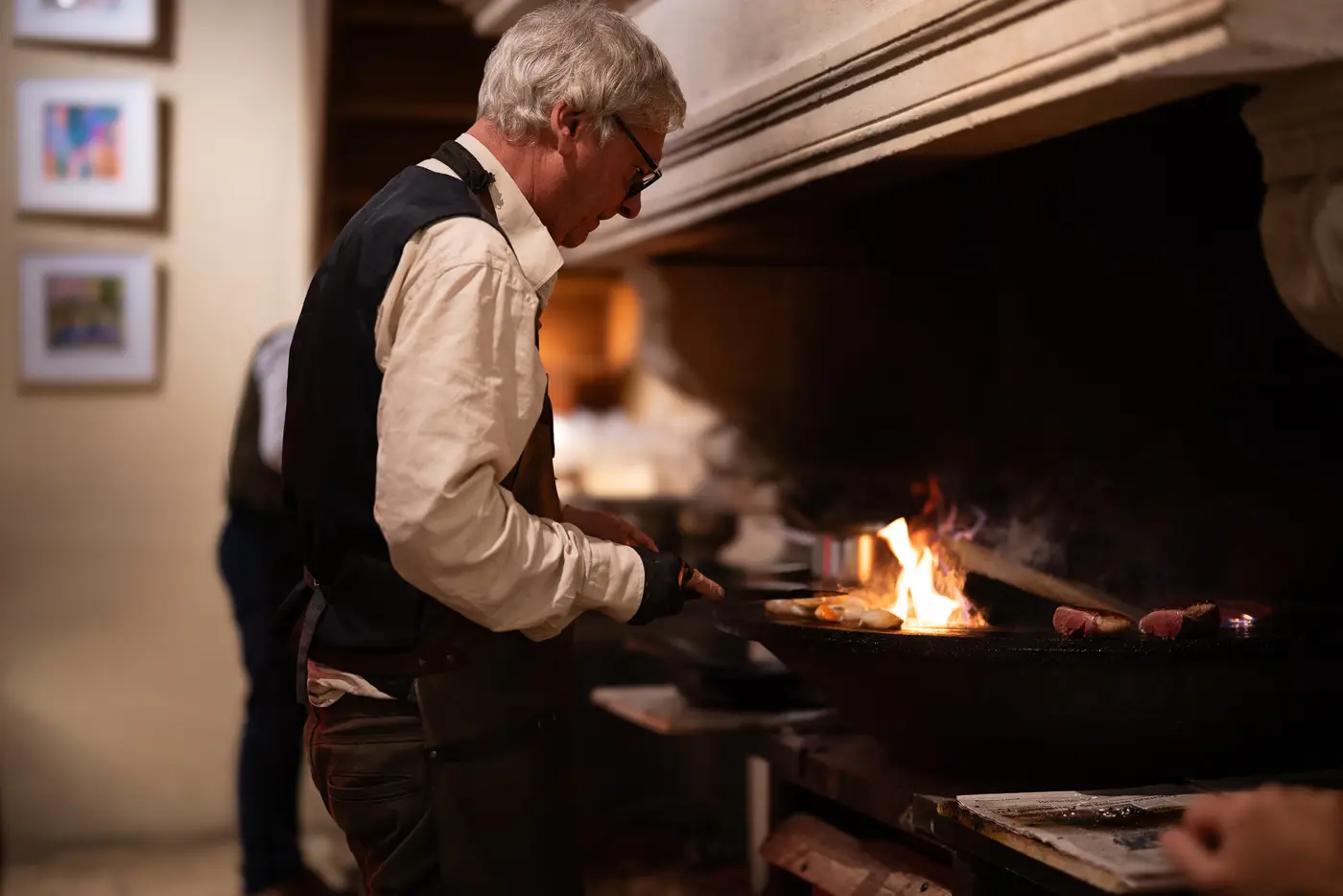
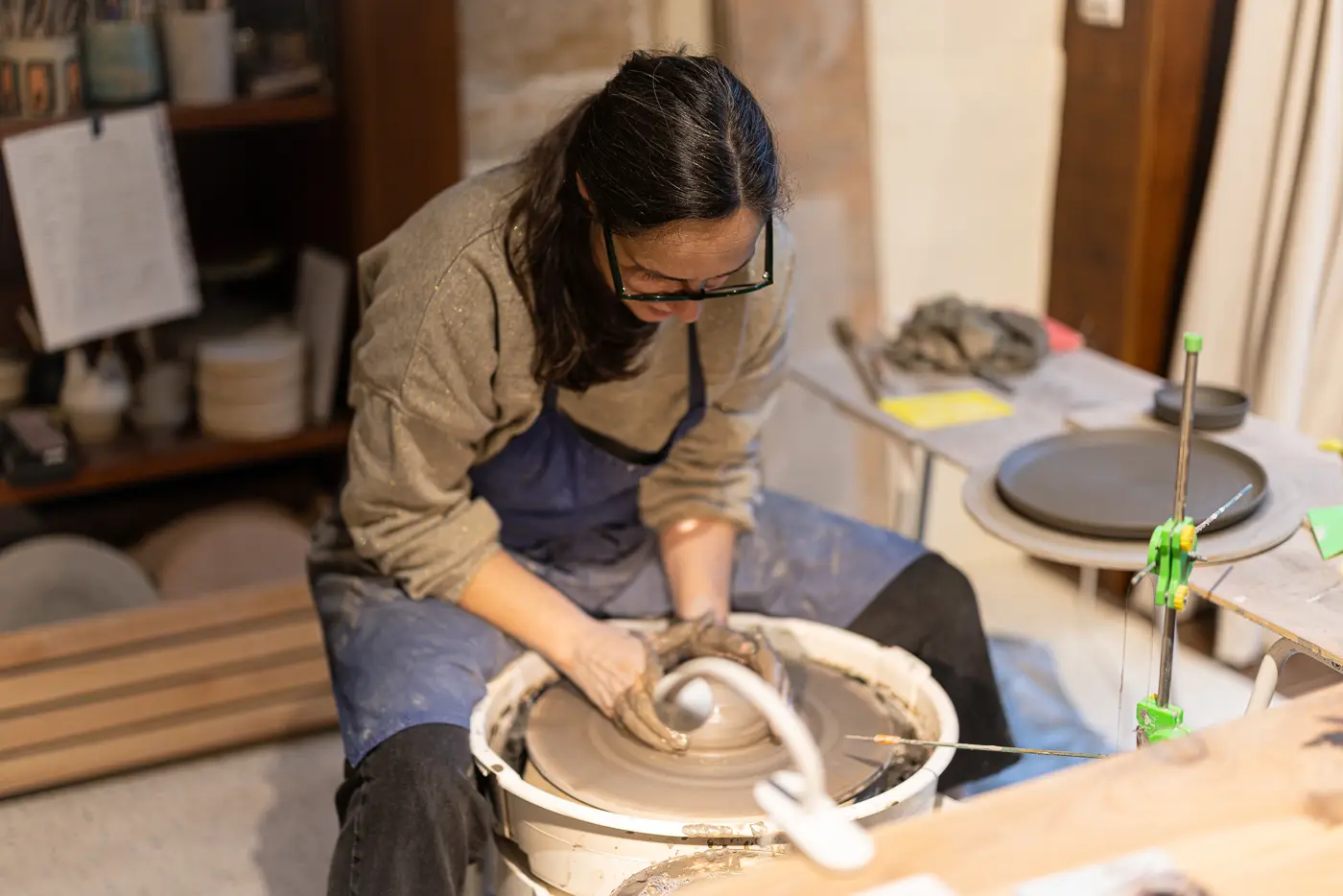
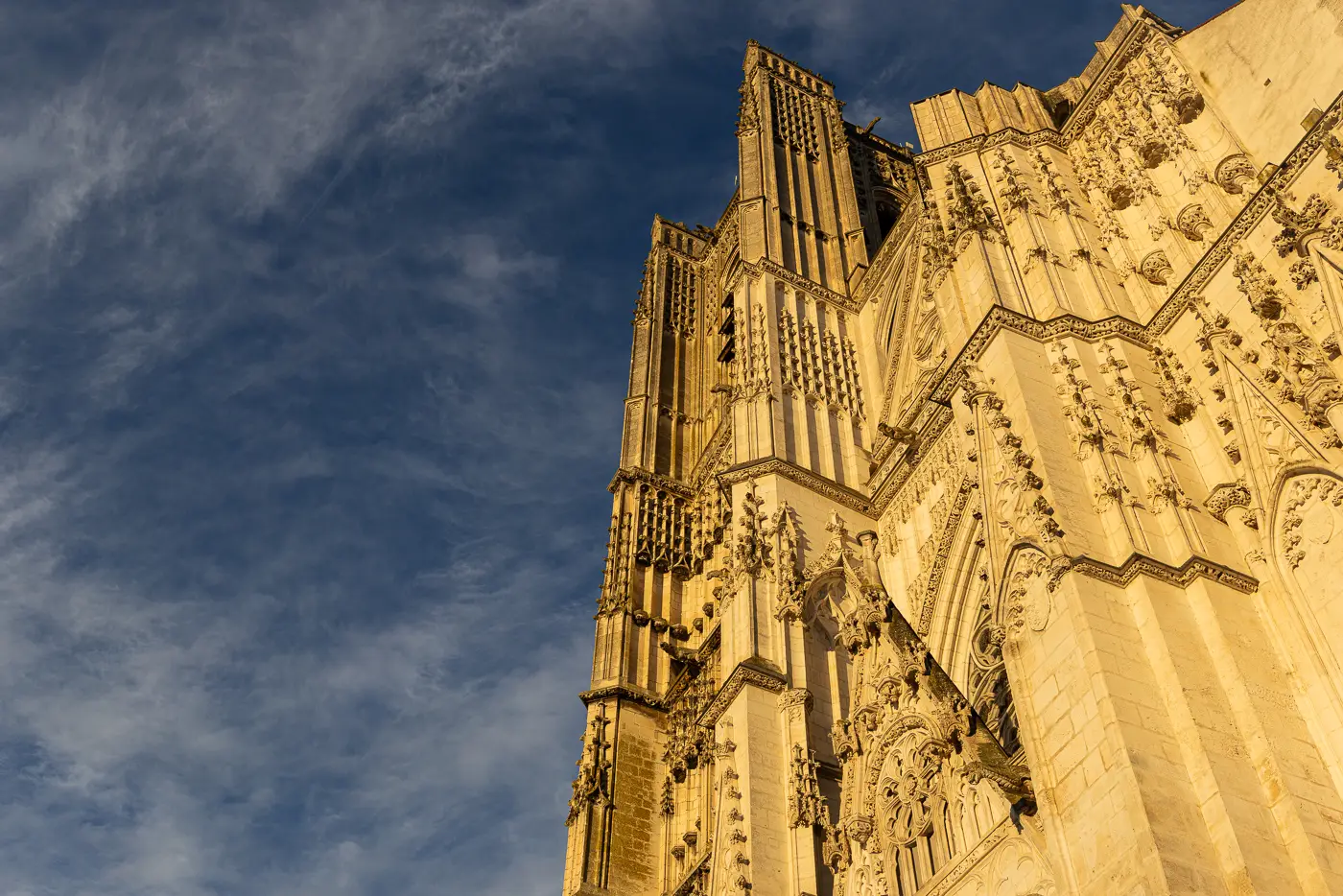
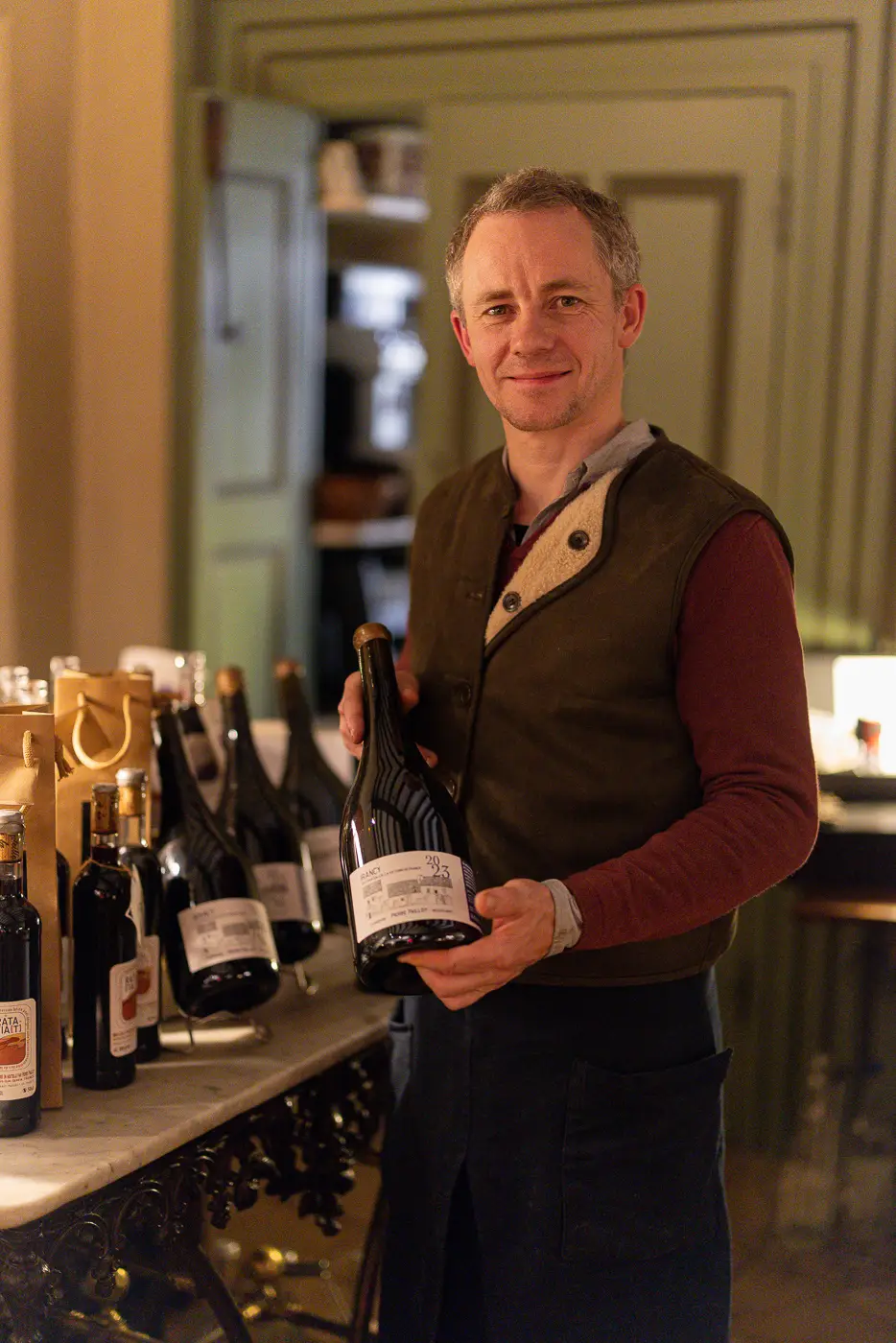
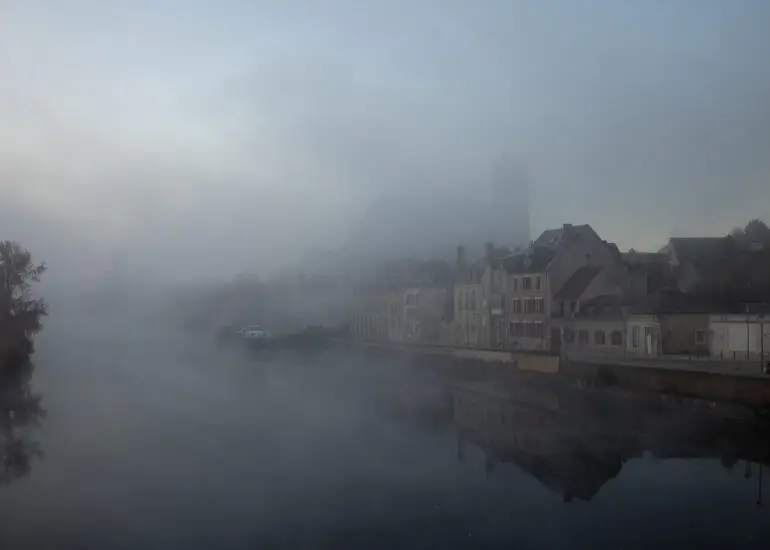
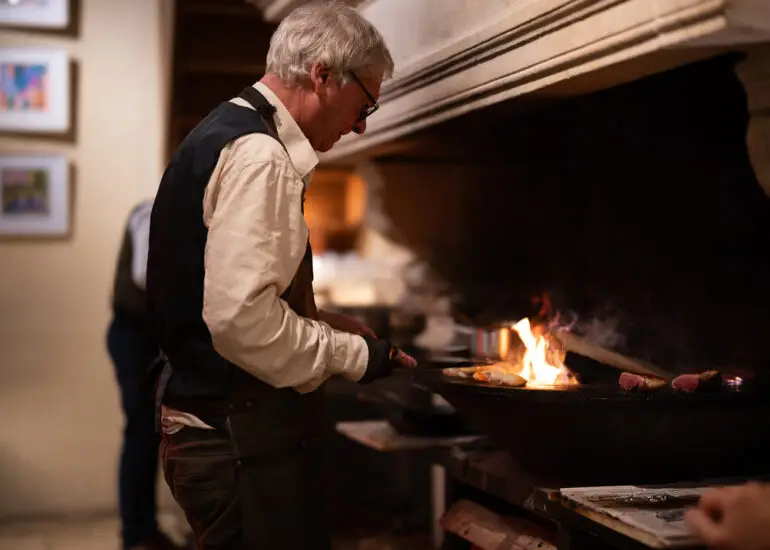
We began our trip in northern Burgundy, using the beautiful and tiny town of Noyers-sur-Serein as a base. Noyers-sur-Serein is one of France’s best-preserved medieval villages, surrounded by ramparts and towers and tucked into a bend of the Serein River. We spent a full week there in an Airbnb while waiting for our pallet of gear to be delivered. This gave us time to explore the village and its surrounding wine regions and to meet local artisans and independent winemakers who lived there. One of these was Pierre, an independent winemaker who also owns a wonderful restaurant where duck, meat, and scallops are cooked on a brasero plancha—a circular metal cooking ring heated by a wood fire at its center. Staying in a small medieval village for a week and interacting with people like Pierre, in a place that felt almost frozen in time, gave us a fascinating glimpse into the lives of people who had made a conscious decision to build deep, meaningful, and unhurried lives in a unique corner of France. 

Noyers-sur-Surein

While we were in Noyers-sur-Serein, we also spent a few wonderful days with our friends Stefan and Thomas, a couple from Switzerland with whom we had shared unforgettable adventures—including a journey through the Amazon region of Peru—during our Pan-American trip. Reconnecting with them and exploring the surrounding towns and wine regions together was the most magical part of our time in Noyers-sur-Serein, and we hope it will be the first of many days we’ll spend together over the coming years.

Chablis and Champagne

While based in Noyers-sur-Serein, we began exploring the wine regions of Burgundy, starting with Chablis, a white wine village famous for its Chardonnay. Chablis’ distinctive minerality comes from the region’s Kimmeridgian limestone soils—a mix of ancient fossilized oysters, chalk, clay, and limestone. We also explored Champagne, using the town of Épernay as a base. In all of these regions, we tried to camp at wineries using France Passion, a network of farms and wineries that host overlanders for free. Staying directly on vineyards allowed us to develop a deeper appreciation for the wines and the places they come from.

Beaune

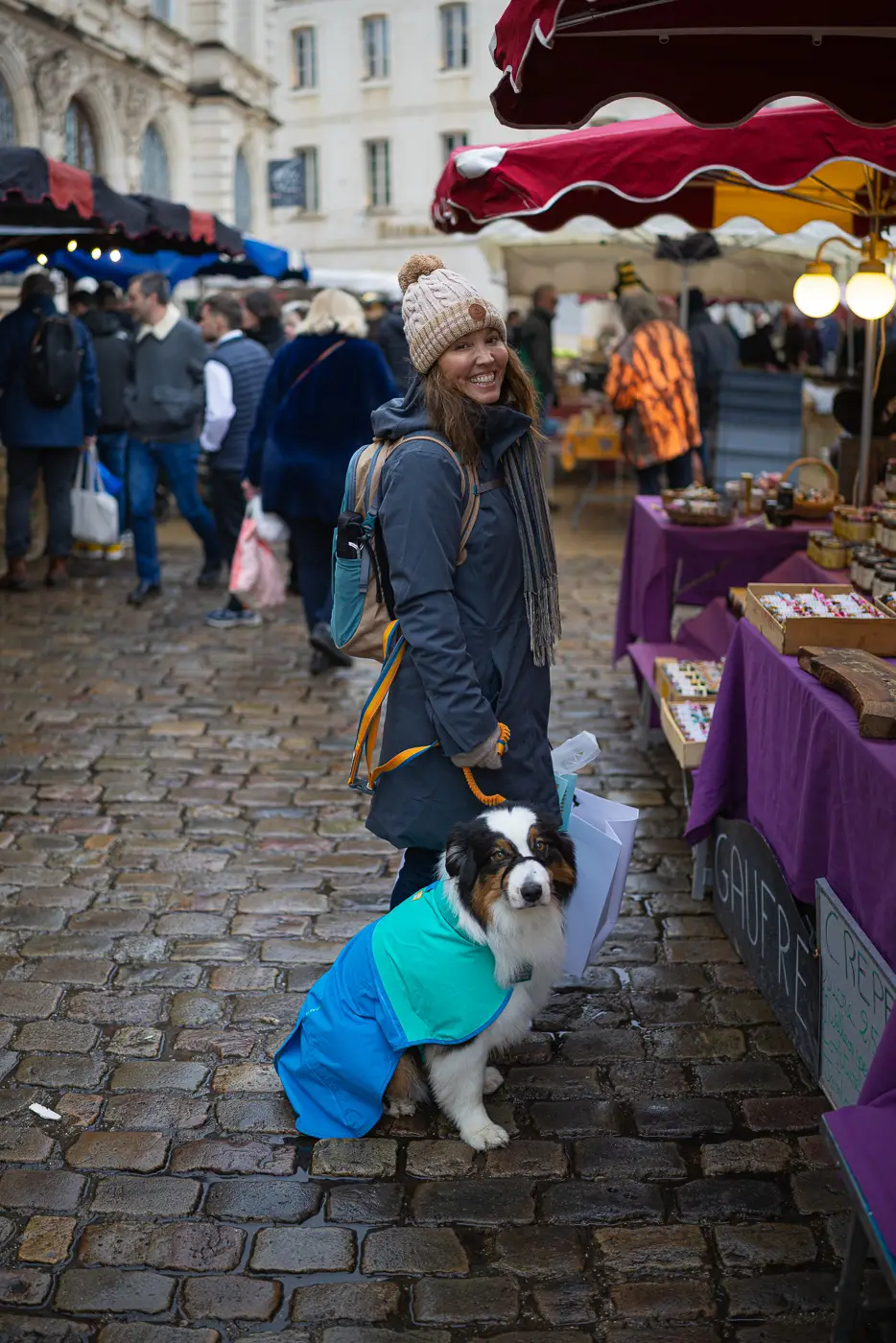
After wrapping up the work on our vehicle, we finally began heading south through southern Burgundy, including a stop in Beaune, another beautiful medieval town. Unlike Noyers-sur-Serein, Beaune is firmly on the beaten path. However, because we visited in early December, it was still relatively quiet. While there, we wandered through the Saturday market, where we bought Époisses, the region’s famously pungent cheese, washed in Burgundian brandy. We also tasted the Pinot Noir–based Burgundy reds grown in the surrounding Côte de Beaune, one of the most famous wine regions in the world.

The Camargue

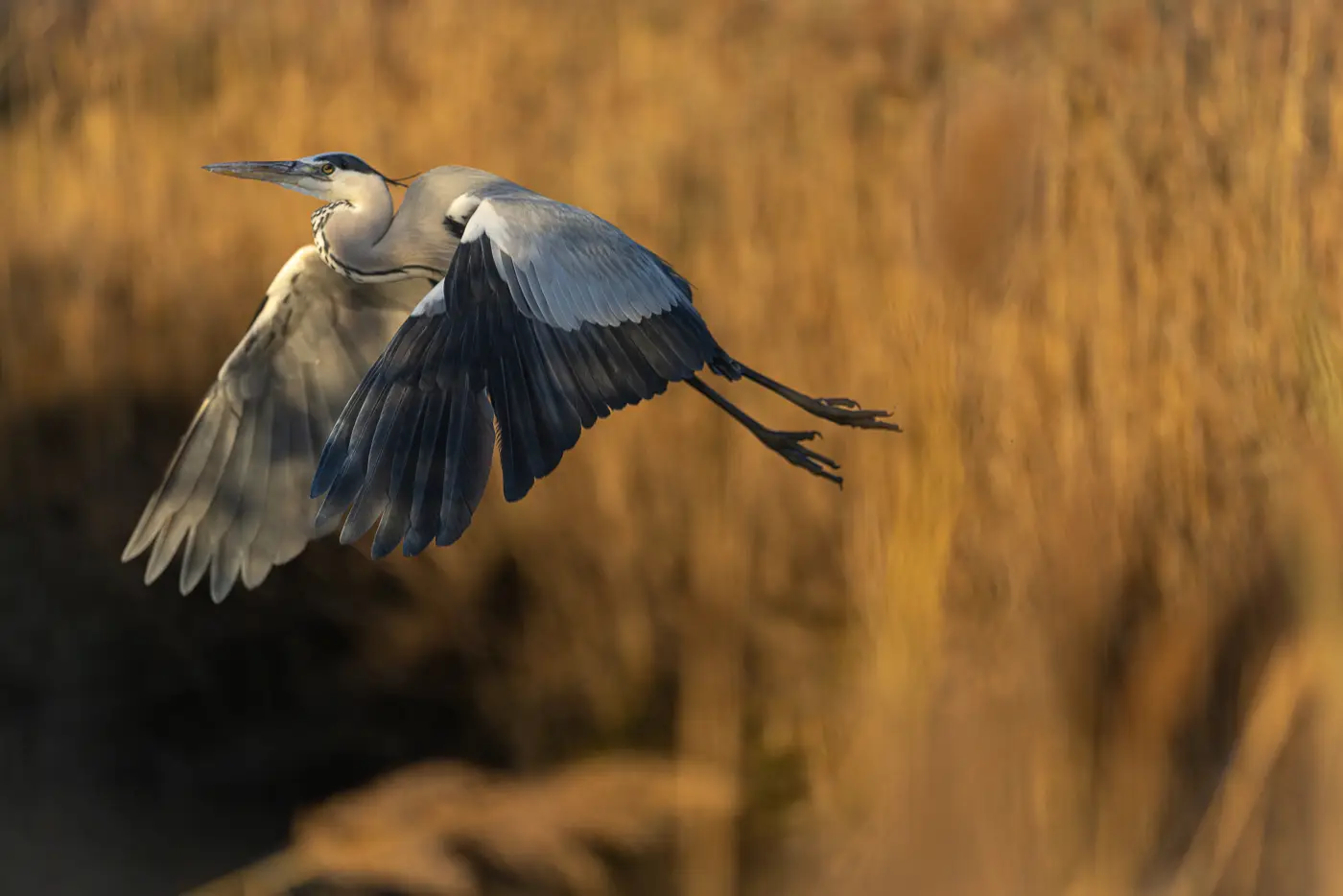
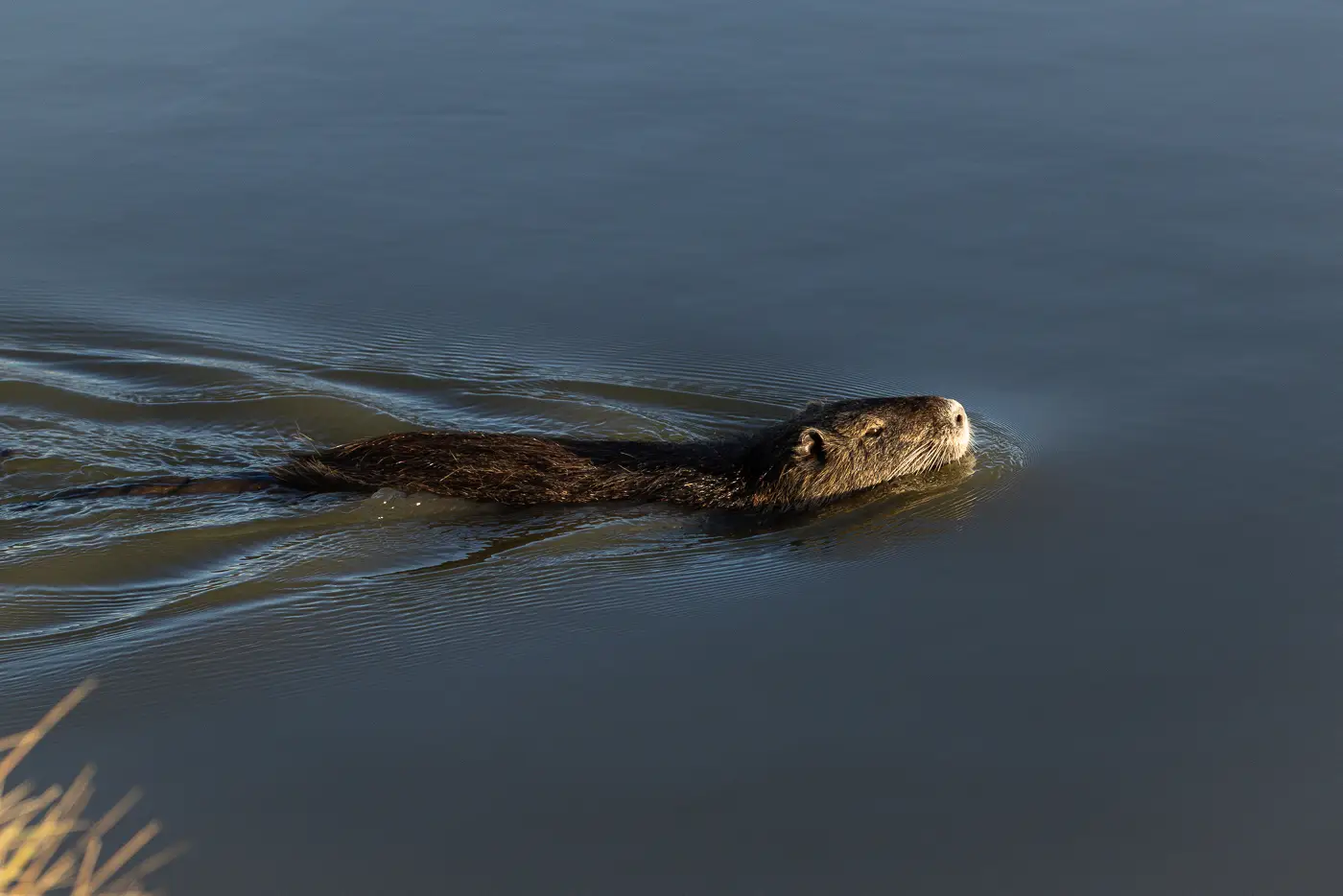
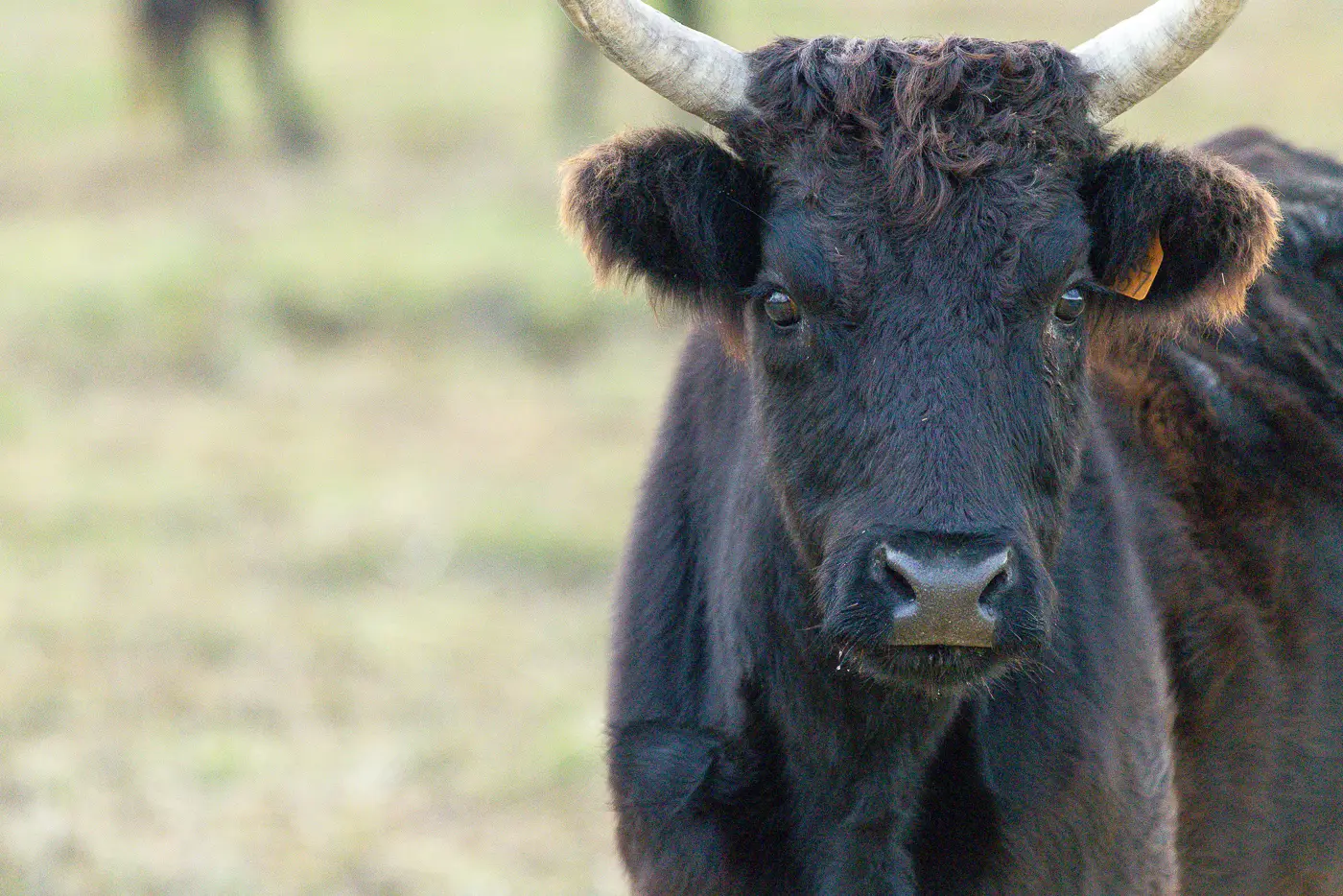
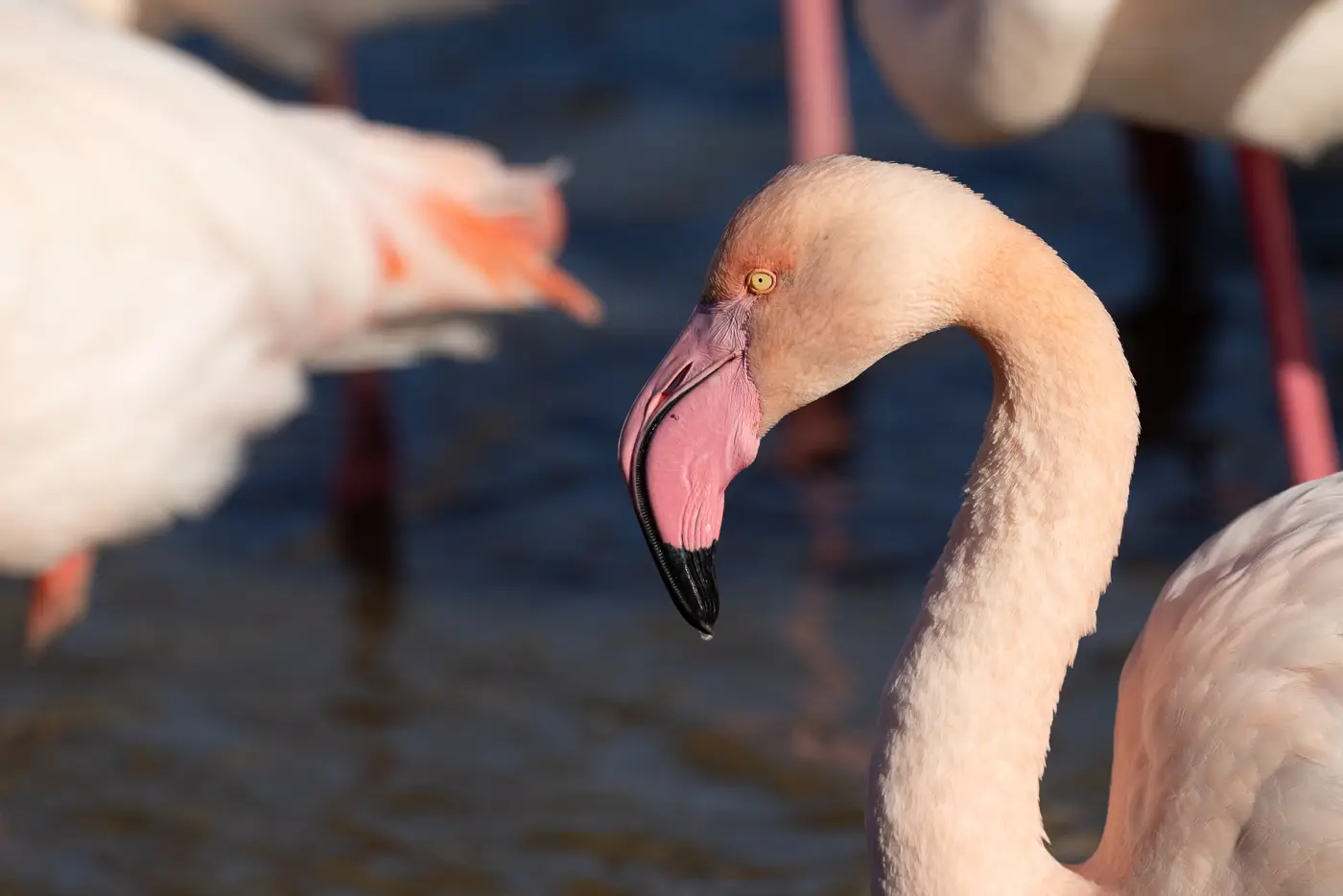
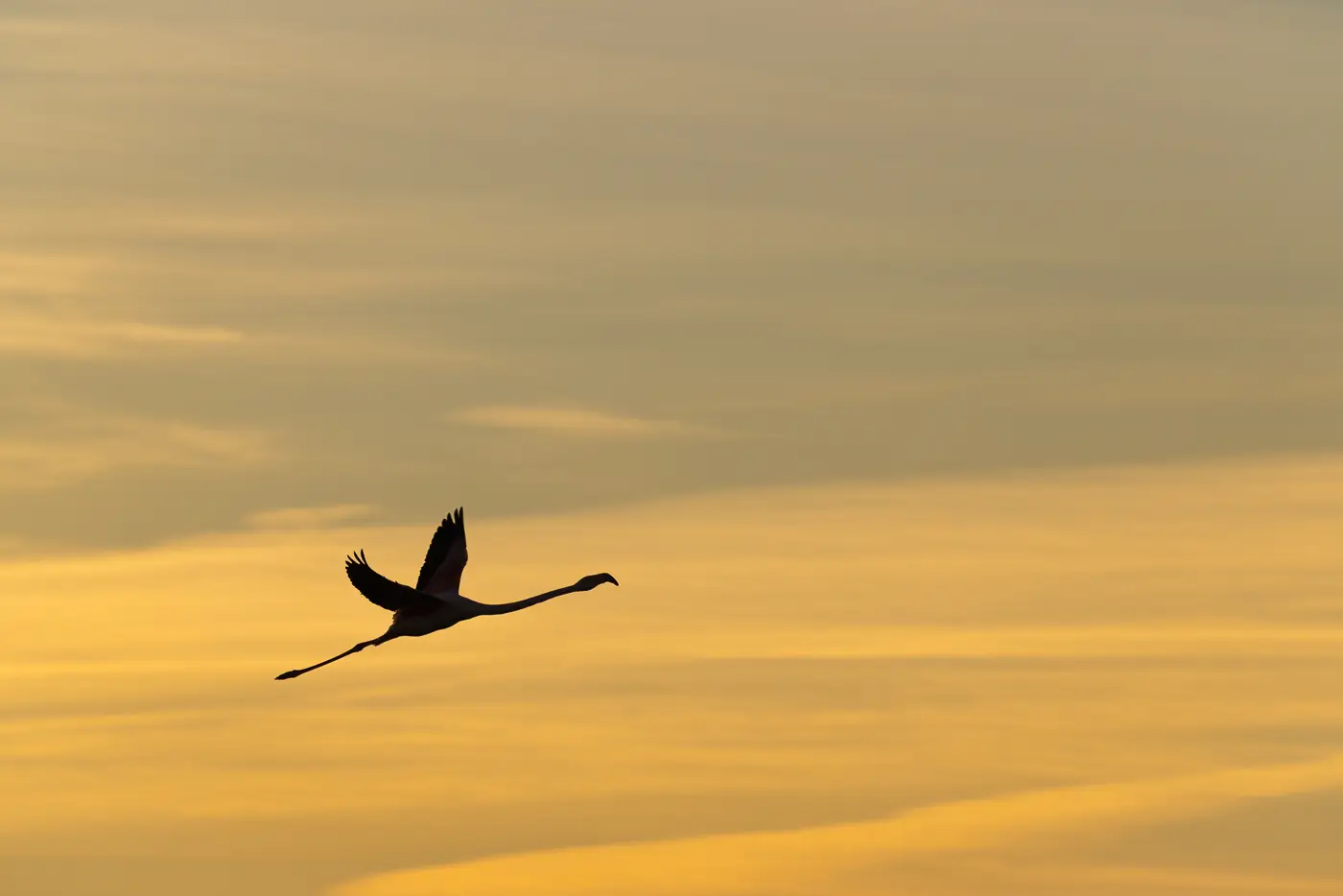
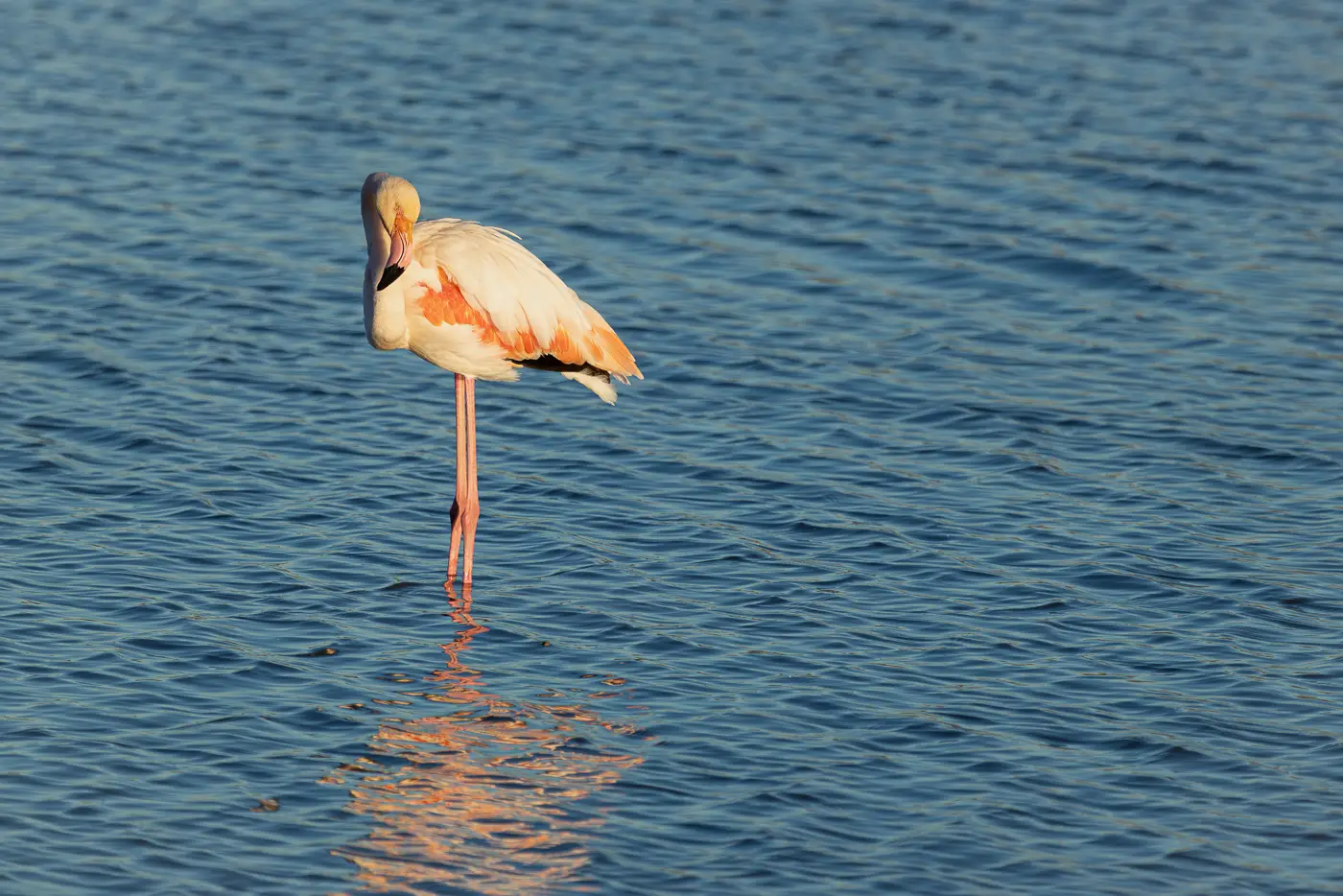
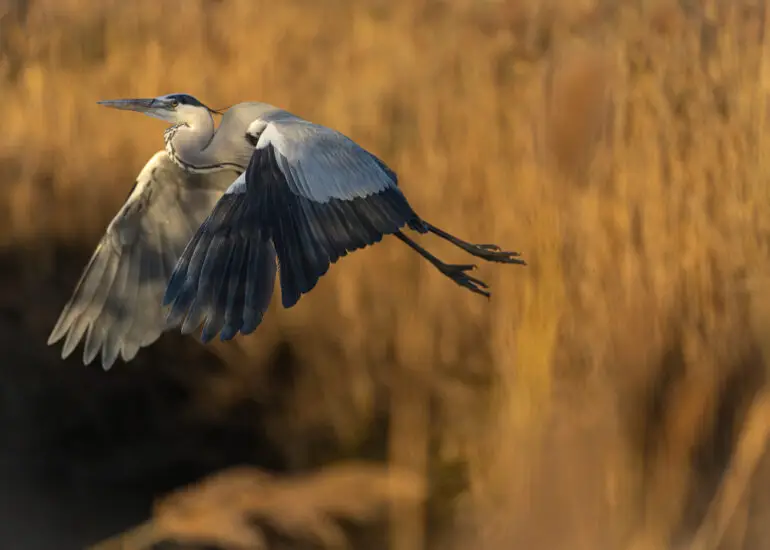
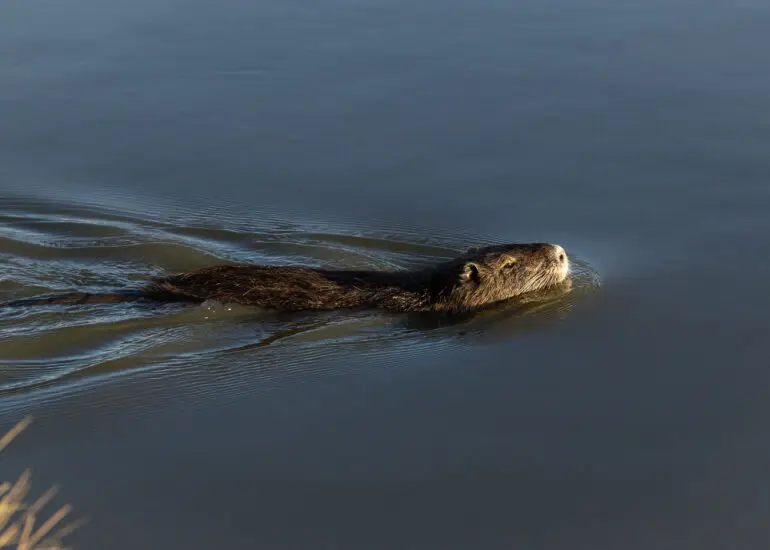
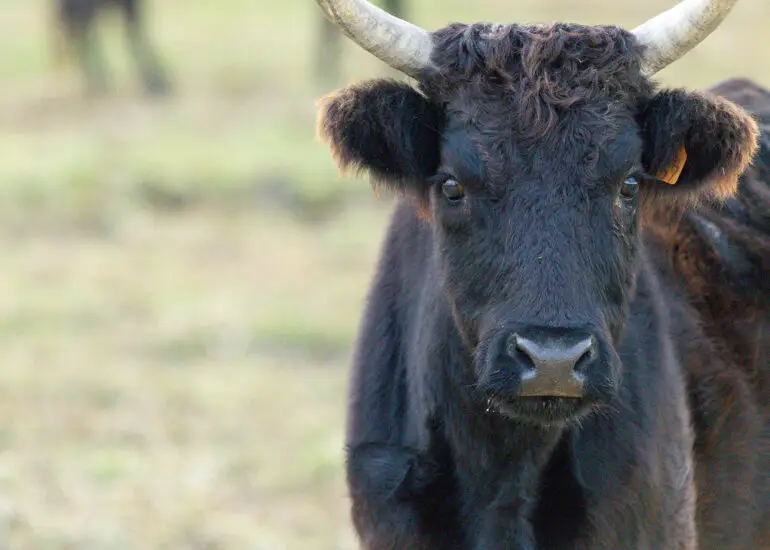
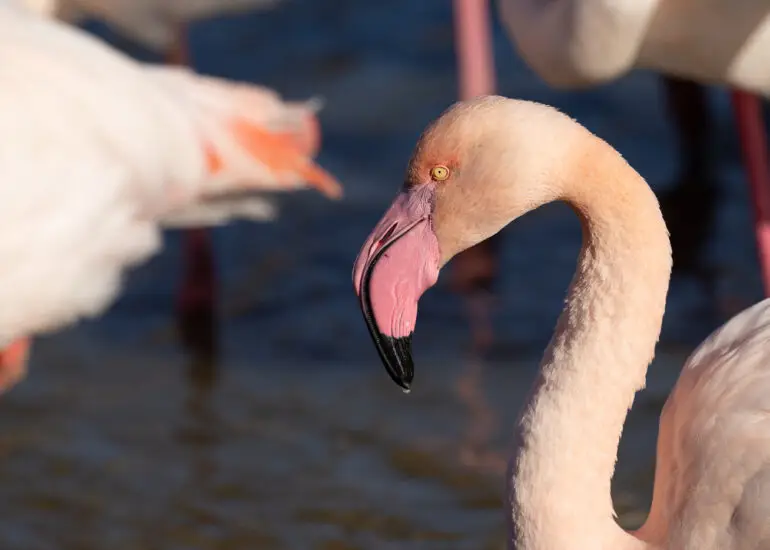
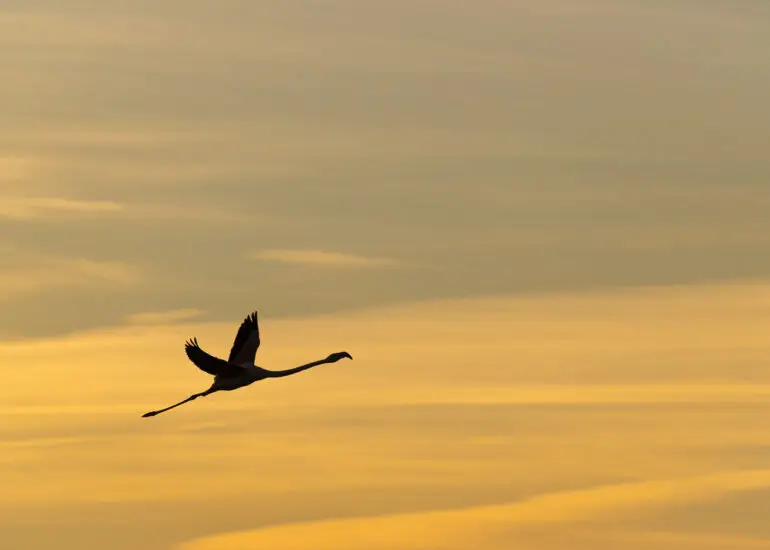
After almost a month in France, we finally decided it was time to escape in search of warmer and sunnier weather in the south. Instead of heading straight to the Mediterranean coast, we chose to explore the Camargue, a vast and wild wetland region in the Rhône River delta known for its salt flats, lagoons, and the many migratory birds that inhabit them. We focused on biking, birding, and hiking in the area. Highlights included a gravel bike ride along the narrow and windswept levee roads that crisscross the wetlands, as well as multiple visits to the Parc Ornithologique du Pont de Gau, one of the best places in the world to see Greater Flamingos. Although we spent one night in the municipal campground (really more of a parking lot), we passed the rest of our time staying at bull and horse ranches, where the region’s wild black bulls and white horses are bred and trained for local bullfights and for herding cattle across the marshes.

Finding Our Footing in France

The Camargue proved to be one of the most beautiful and unique regions we’ve visited anywhere in the world, and it felt like a perfect bridge between our time in France and our journey into northern Spain.

As we crossed the border into Catalonia, we celebrated being able to speak a bit of the local language once again.  But we also knew we weren’t saying goodbye to France.  We would return to the country where we had started our trip, and had gotten to love despite its challenges in the spring to explore new regions, including the Alps, in better weather.

Journals

Prev Wild Camping in Europe

Comments are closed.