Color and light
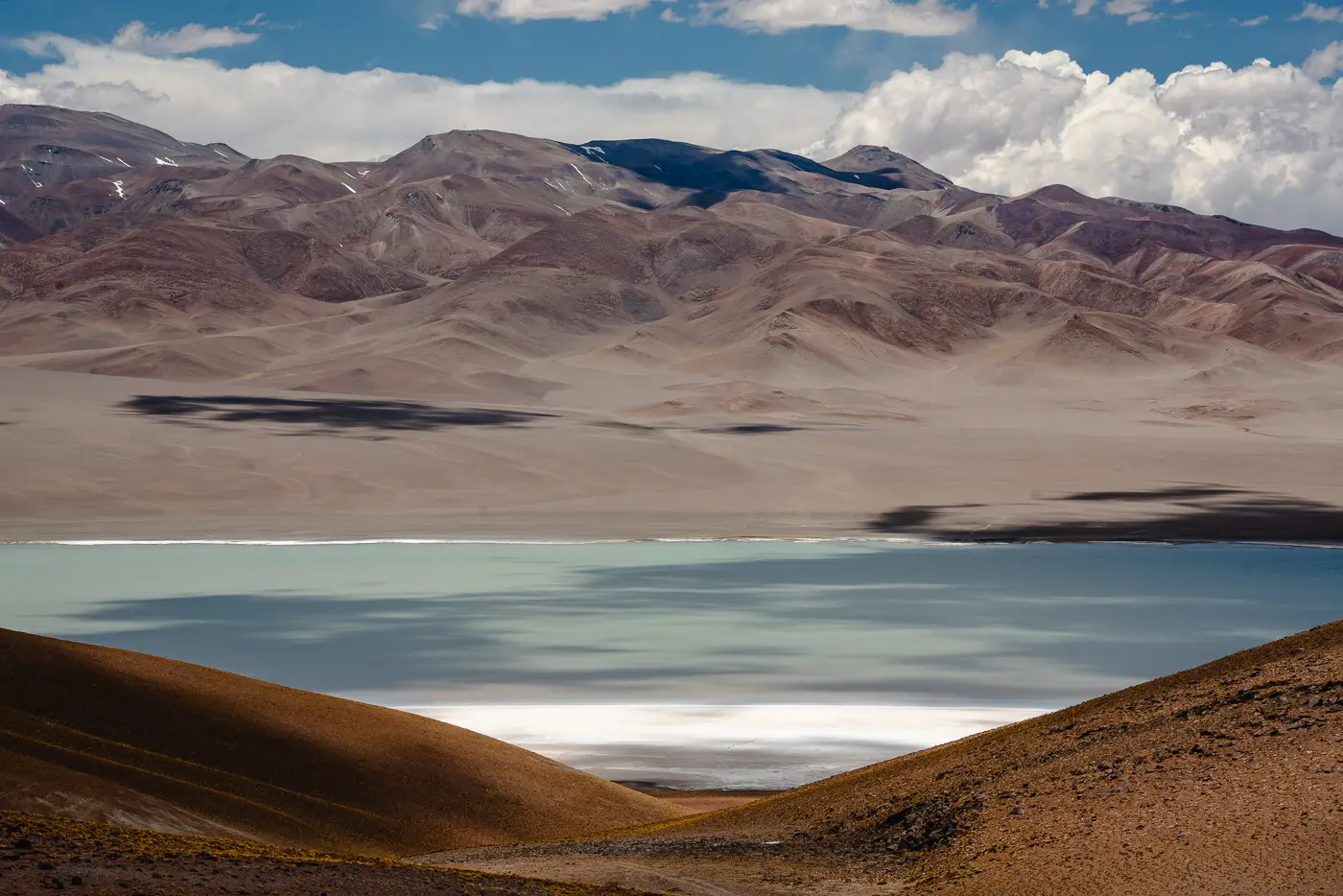
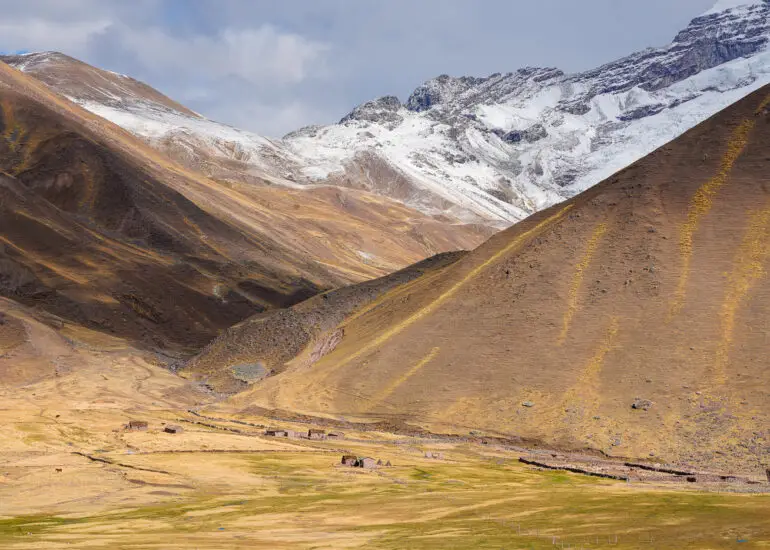
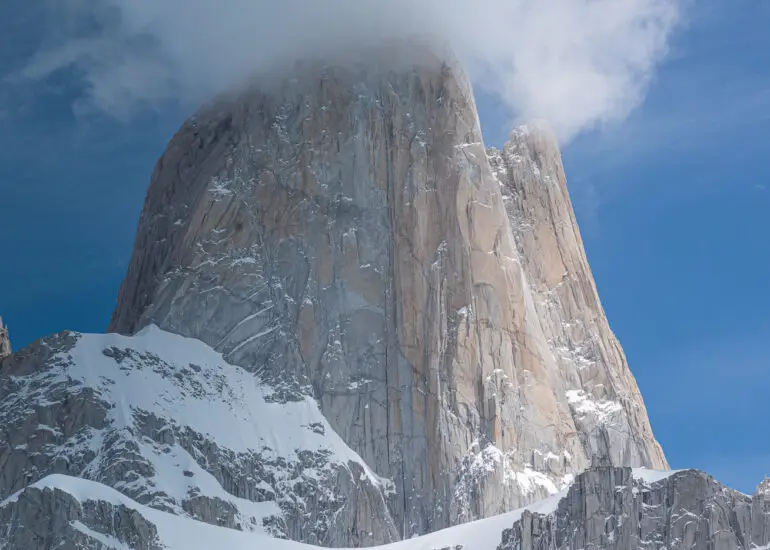
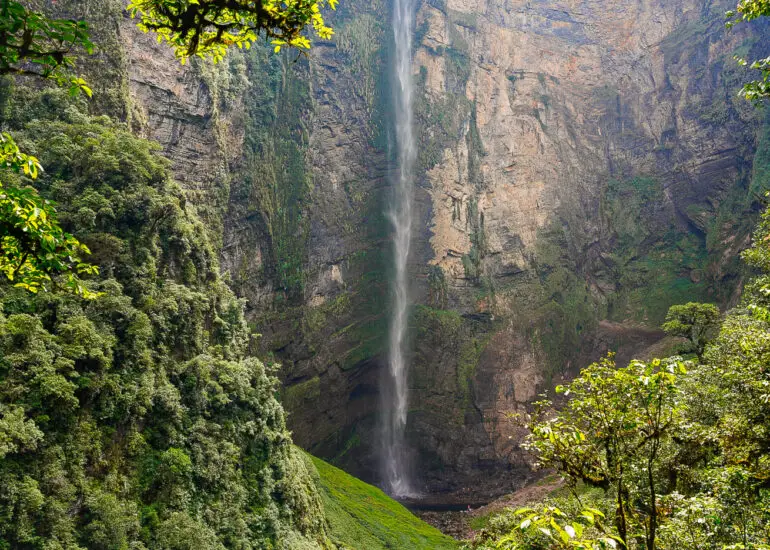
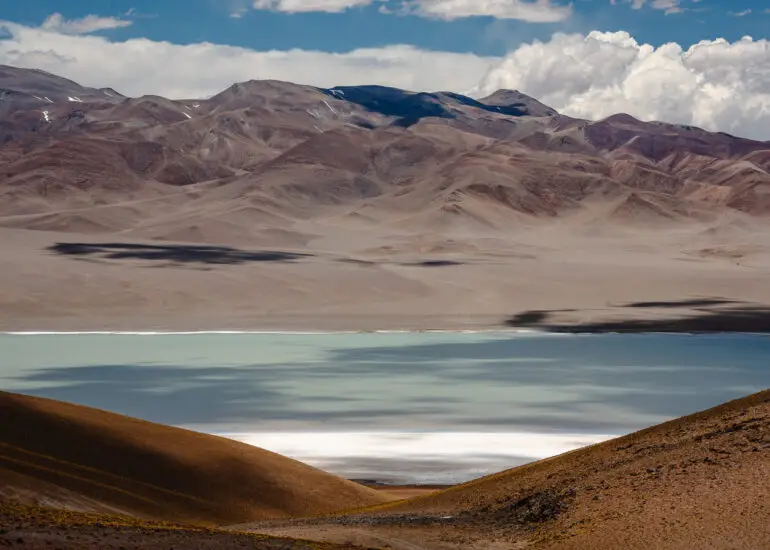
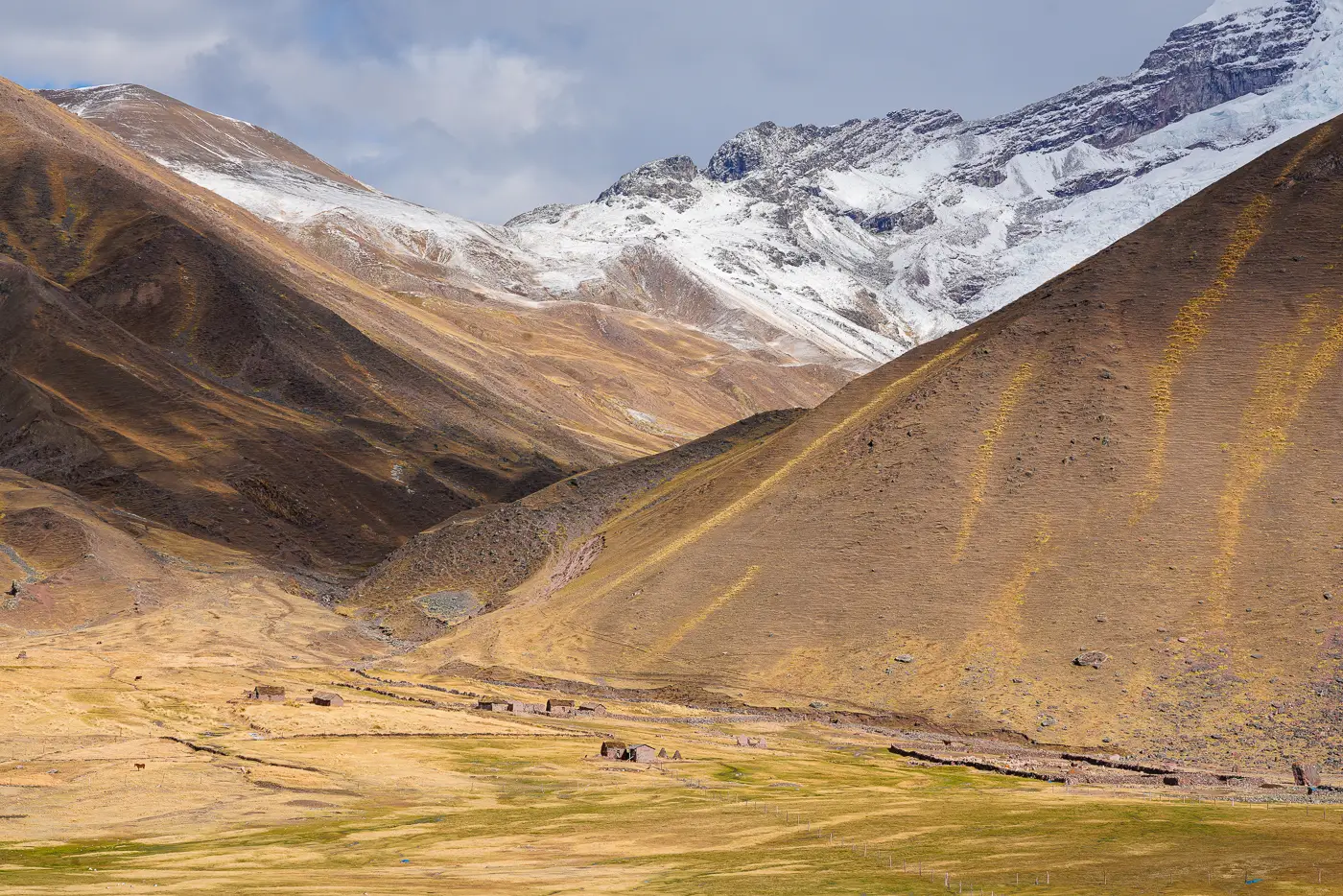
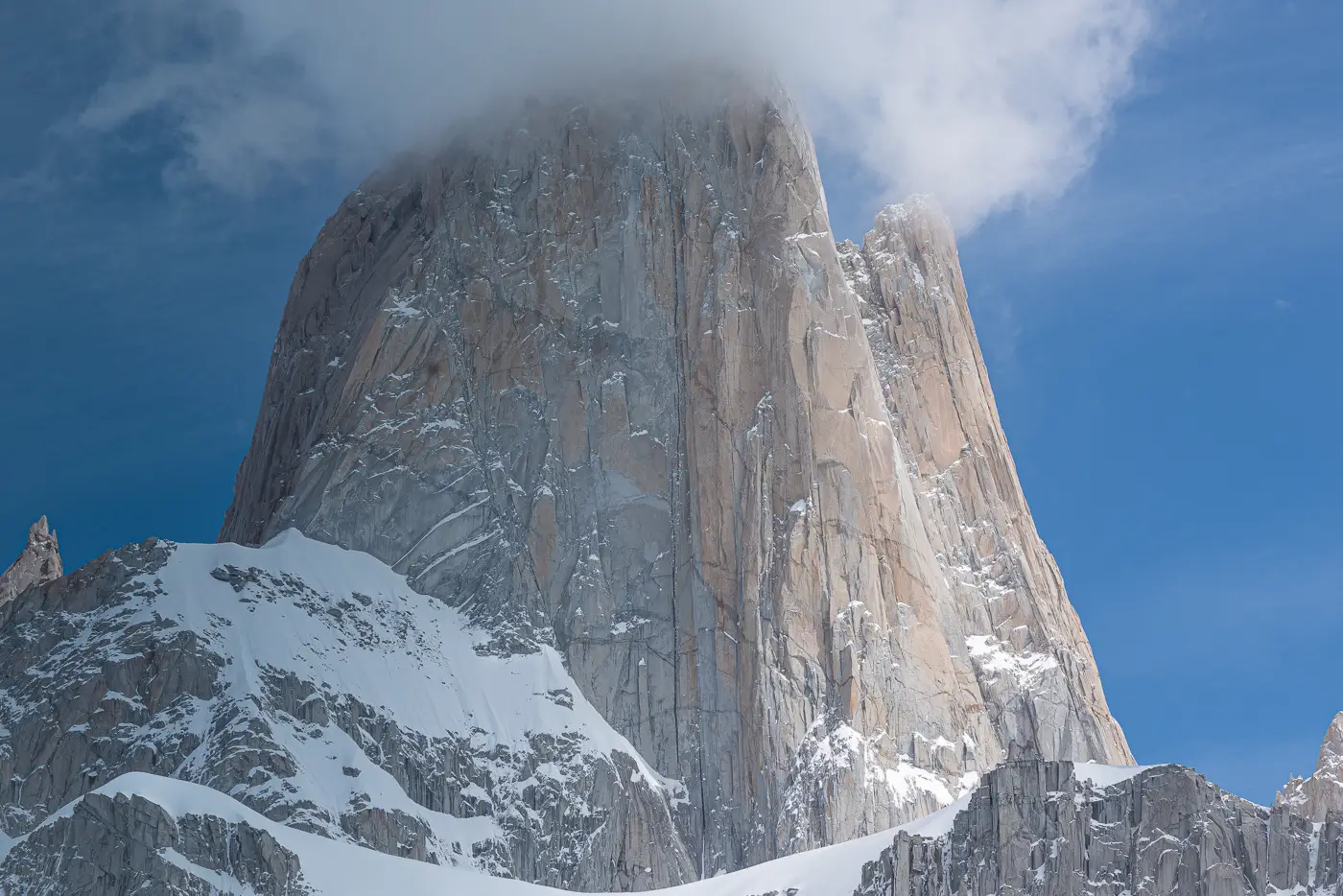
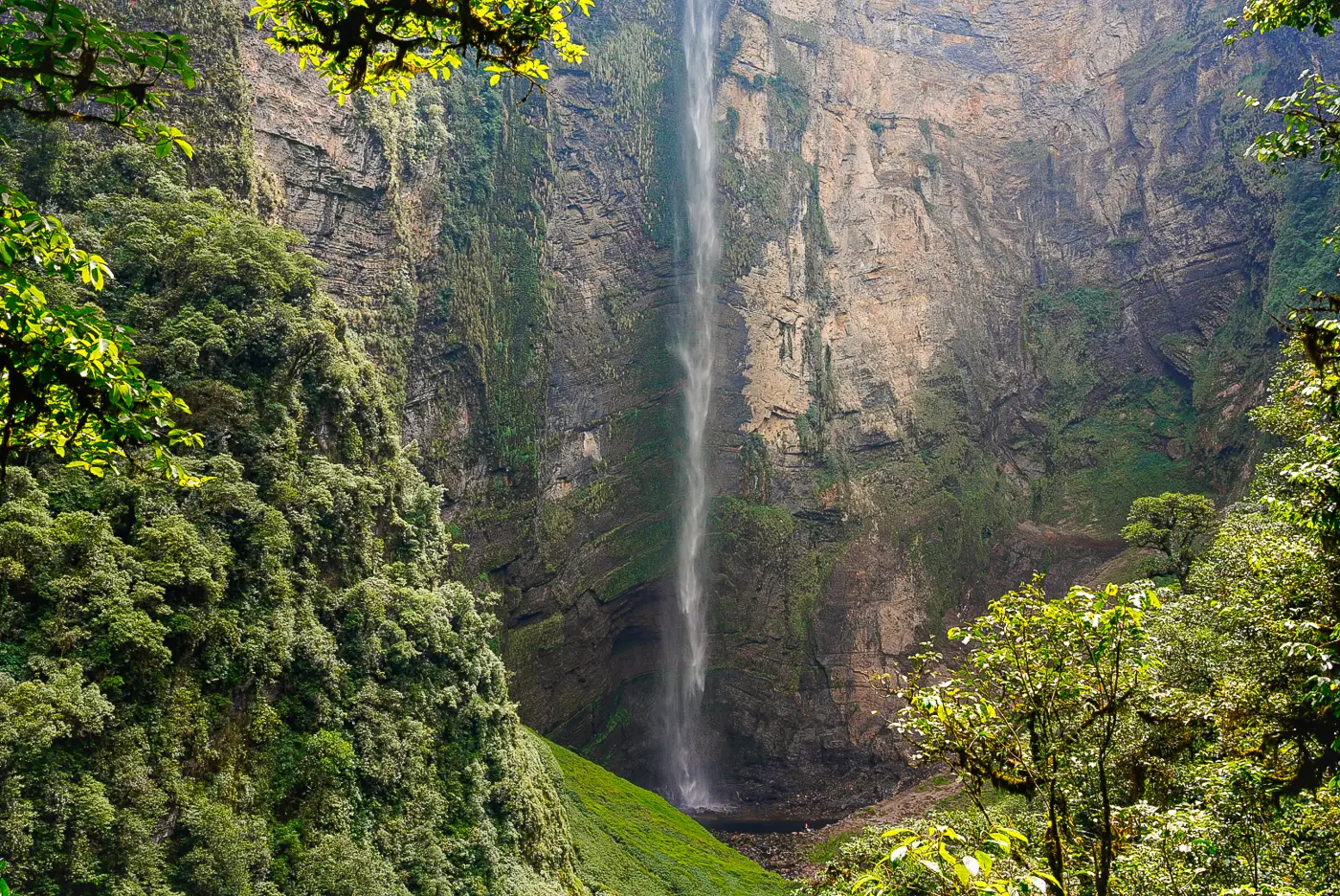
In general, the best light for landscape photography is dawn or dusk (especially for macros and intimate views). However, instead of thinking about light as good or bad, I try to think about appropriate light. I use blue light (the light you get immediately before sunrise) to create calm, moody, tranquil scenes, including images of seascapes. I use diffused light (light that has been run through a filter of cloud layers, fog, marine haze or smoke) to create peaceful images, including macros and intimate views. And I use golden light (the light you get immediately after sunrise and immediately before sunset) to create dramatic images, including images of mountains and rural landscapes. I also try to use colors to evoke an emotional response in my viewer. For example, the beige, brown and ochre hues of a meadow in autumn represent a return to the earth. And the lime green hues of new leaves and shoots in spring represent rebirth and growth. Sometimes, I try to arrange colors in my frame to accentuate my subject or to create harmony or tension.
I always use my histogram to evaluate my exposure, “pushing” my histogram to the right as much as possible without over exposing or “bowing out” any highlights. I also use my histogram as a compositional tool. If I have a large area that is dark or light, I evaluate whether that is hurting the overall picture and reframe to eliminate troublesome areas.
Composition
Composition comes down to three things, what you are taking the photo of, what the other elements in the photo are, and how those elements are arranged. The key to good composition in landscape photos is creating a balanced composition. There are two types of balance, symmetrical and asymmetrical. With symmetrical balance, everything is oriented around the center of the picture. Symmetrical photos often lack impact, while asymmetrical photos often have more energy. In asymmetrical photos, elements of different proportions offset each other. To achieve artful asymmetry, you can balance a dark object with a lighter one, or a small object with a larger one. When making a landscape image, it’s important to create foreground interest like a bed of flowers. For most landscapes, it’s more pleasing to the eye if the foreground is soft and the background becomes gradually softer.
Managing depth of field is also critical. Depth of field is the area in front of and behind the subject that is sharp. Depth of field extends from ⅓ in front of the point of focus to ⅔ behind it. In other words, you’ll have 2x as much depth of field behind your subject as in front. To figure out what is going to be in focus based on the aperture you are using, the distance of your subject and the lens you are using, you can use your depth of field preview button and/or a depth of field program, e.g., Depth of Field Master.
Landscape photography gear
I use two lenses for capturing landscape photos, a 14-35mm f/4 lens, and a 70-200mm f/2.8 lens. In addition, I use a tripod when I need to use a slower shutter speed. I also use a circular polarizer to cut down on glare, including glare on water, and neutral density filters to slow my shutter speed down when I want to create blur in my image, including the blur of moving water.