Morocco
Adventure Report
Morocco
“The Route of the Caravans"
The Route of the Caravans
“At the Crossroads of Worlds from the Atlantic to the Sahara”
Every once in a while, we visit a country that takes our breath away. And Morocco is one of these countries. Morocco’s landscapes, from the Atlantic Coast to the High Atlas Mountains to the Sahara Desert, are beautiful and diverse. But the story of our trip to Morocco isn’t just a story about places. It’s a story about the people of Morocco who quickly earned a special place in our hearts during our Morocco overland adventur
The Atlantic Coast
Our trip to Morocco began in terrible weather as we crossed the Strait of Gibraltar in a huge storm.
Once on land, we made our way south along the Atlantic coast, exploring windswept beaches, small fishing villages, and rugged stretches of coastline.
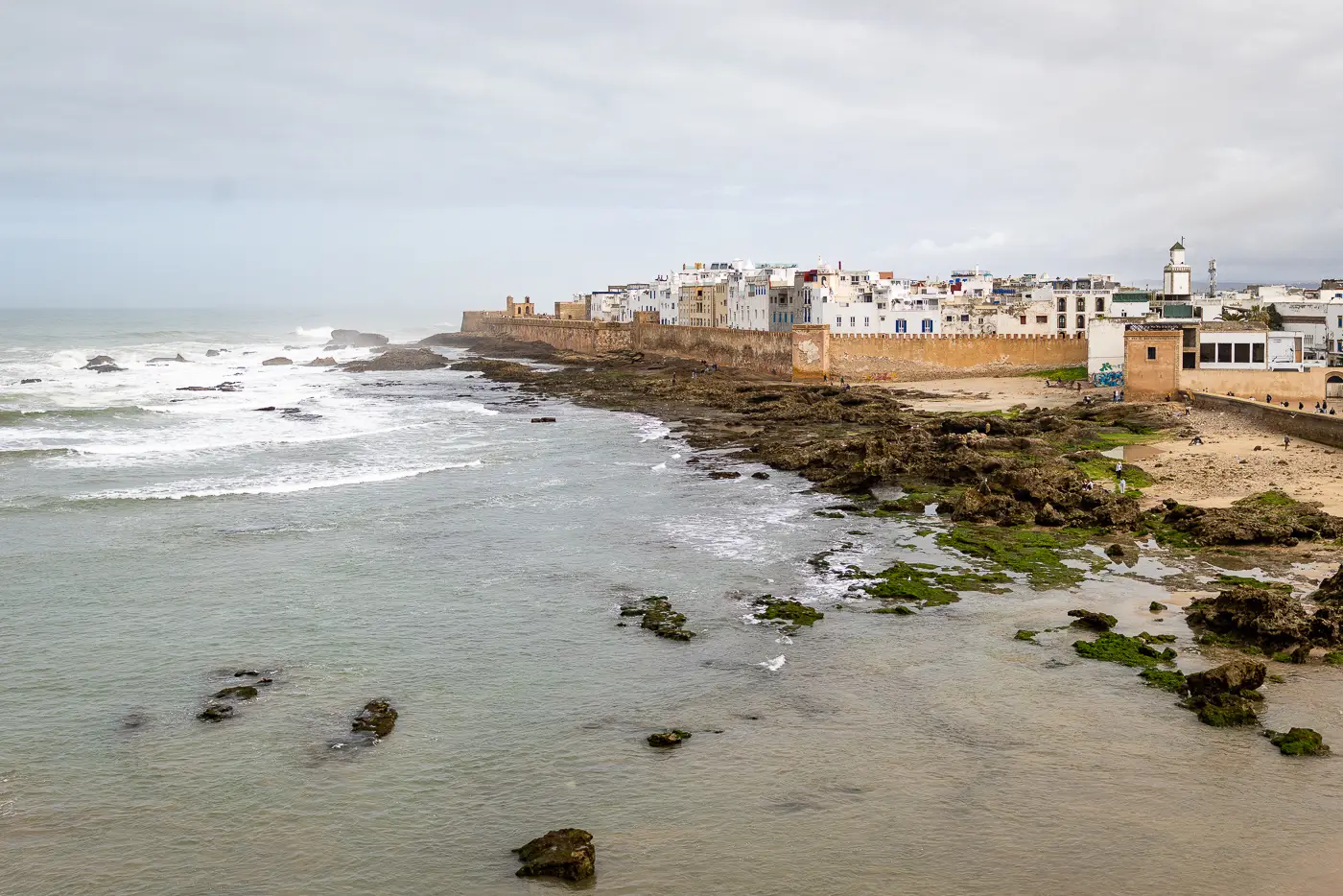
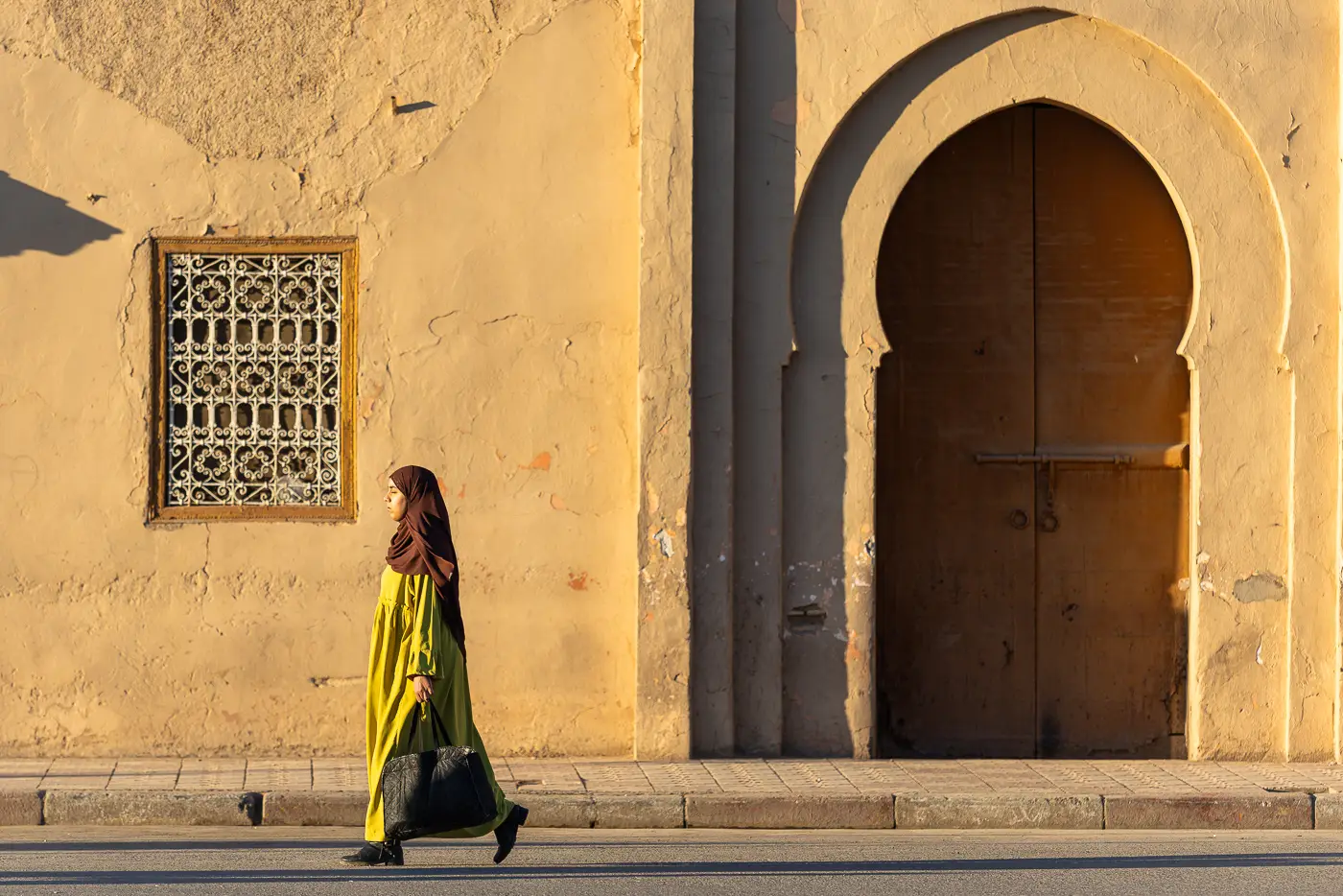
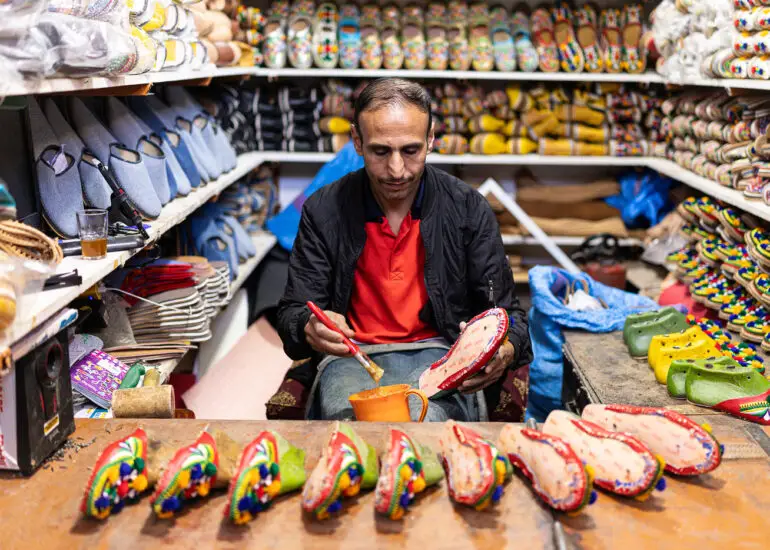
One of the highlights of our journey down the Atlantic coast was the time we spent in Essaouira, a historic port city. There is something about the Atlantic trade winds (“alizés”) that creates a particularly beautiful light in the city. Essaouira is also famous for its Gnawa music and spiritual traditions that can often be heard echoing through the narrow streets of the town’s enjoyable souk.
The Anti-Atlas
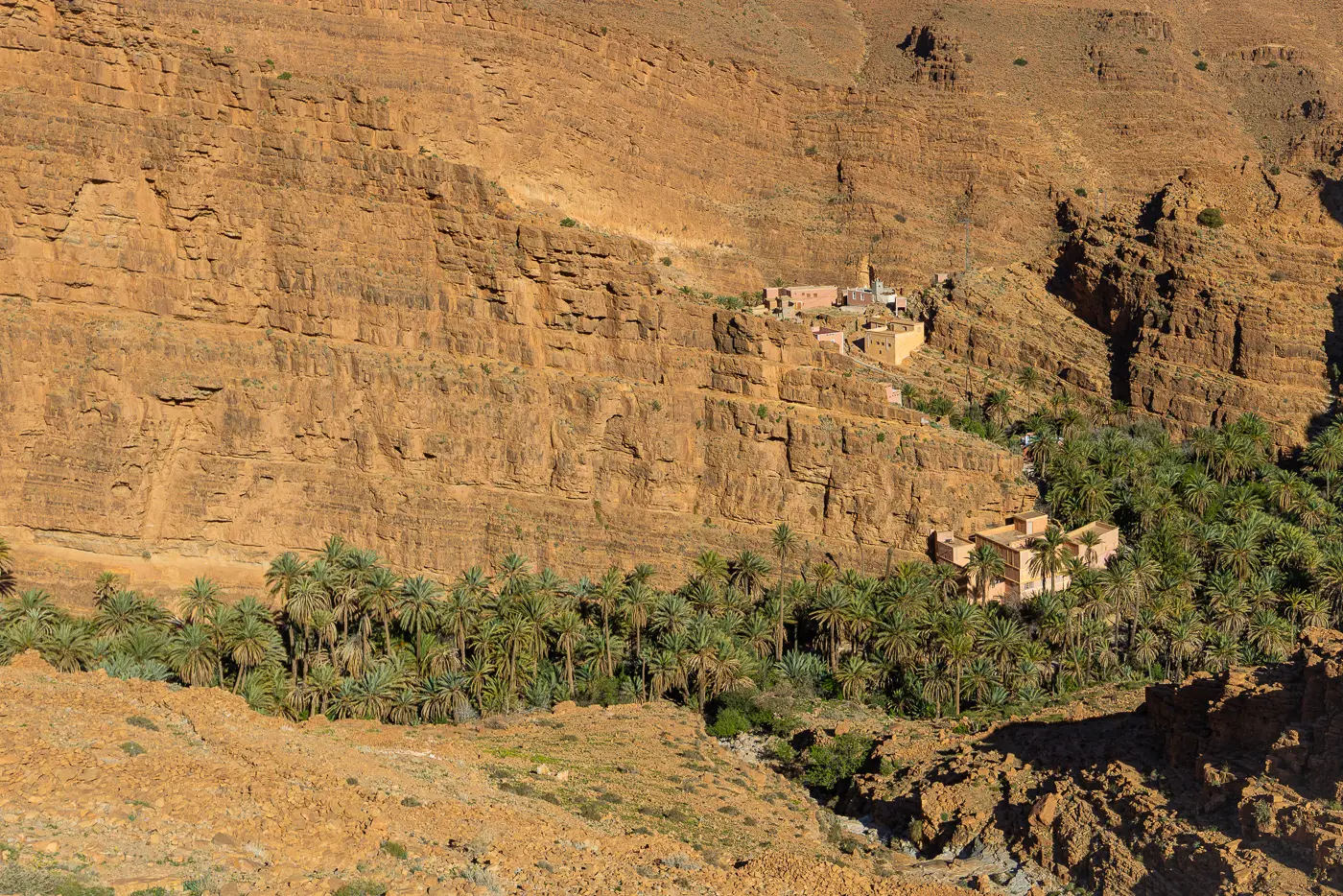
From the Atlantic coast, we headed east into the Anti-Atlas Mountains, a desolate and rugged mountain range that connects Morocco’s coastal plains and the Sahara Desert.
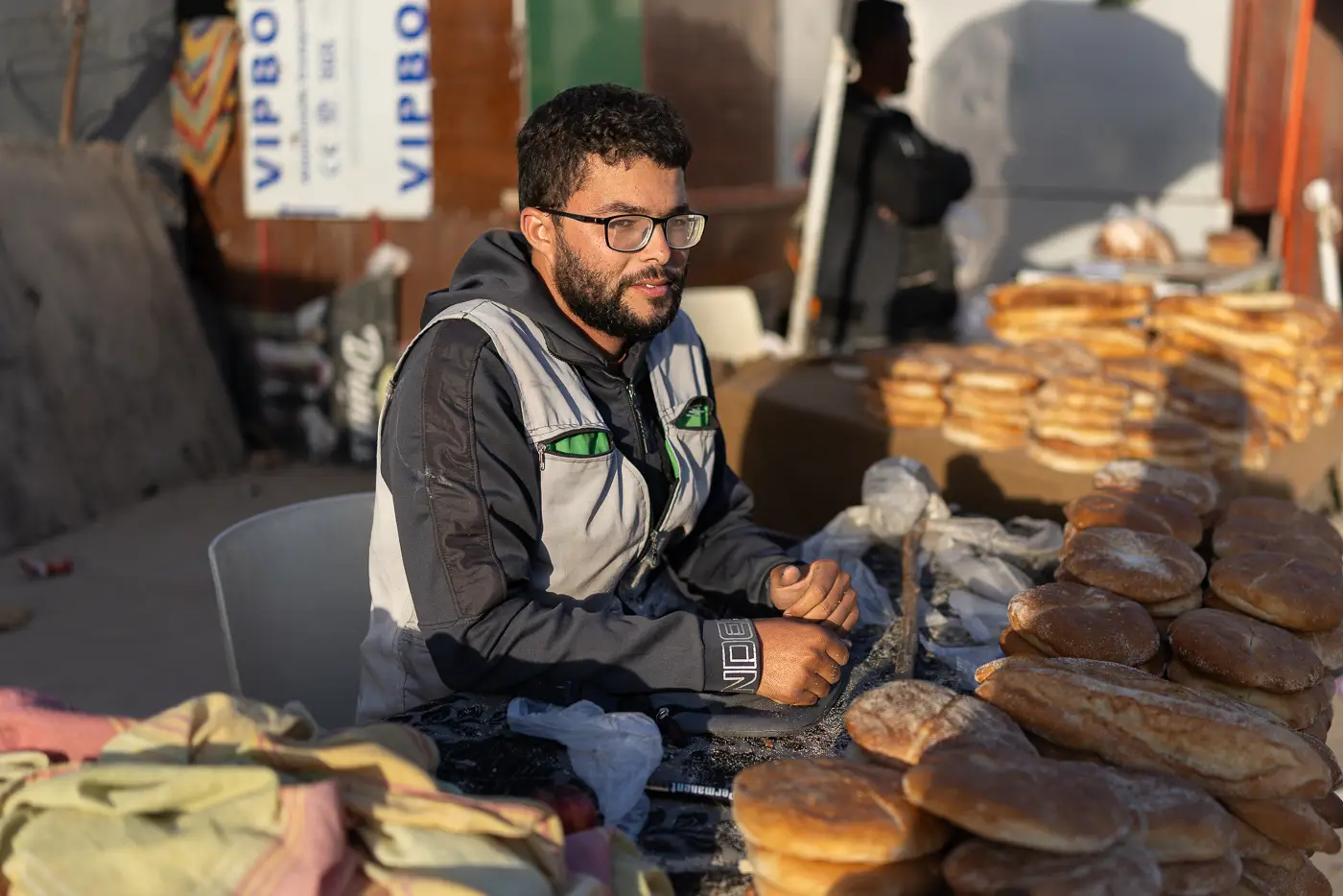
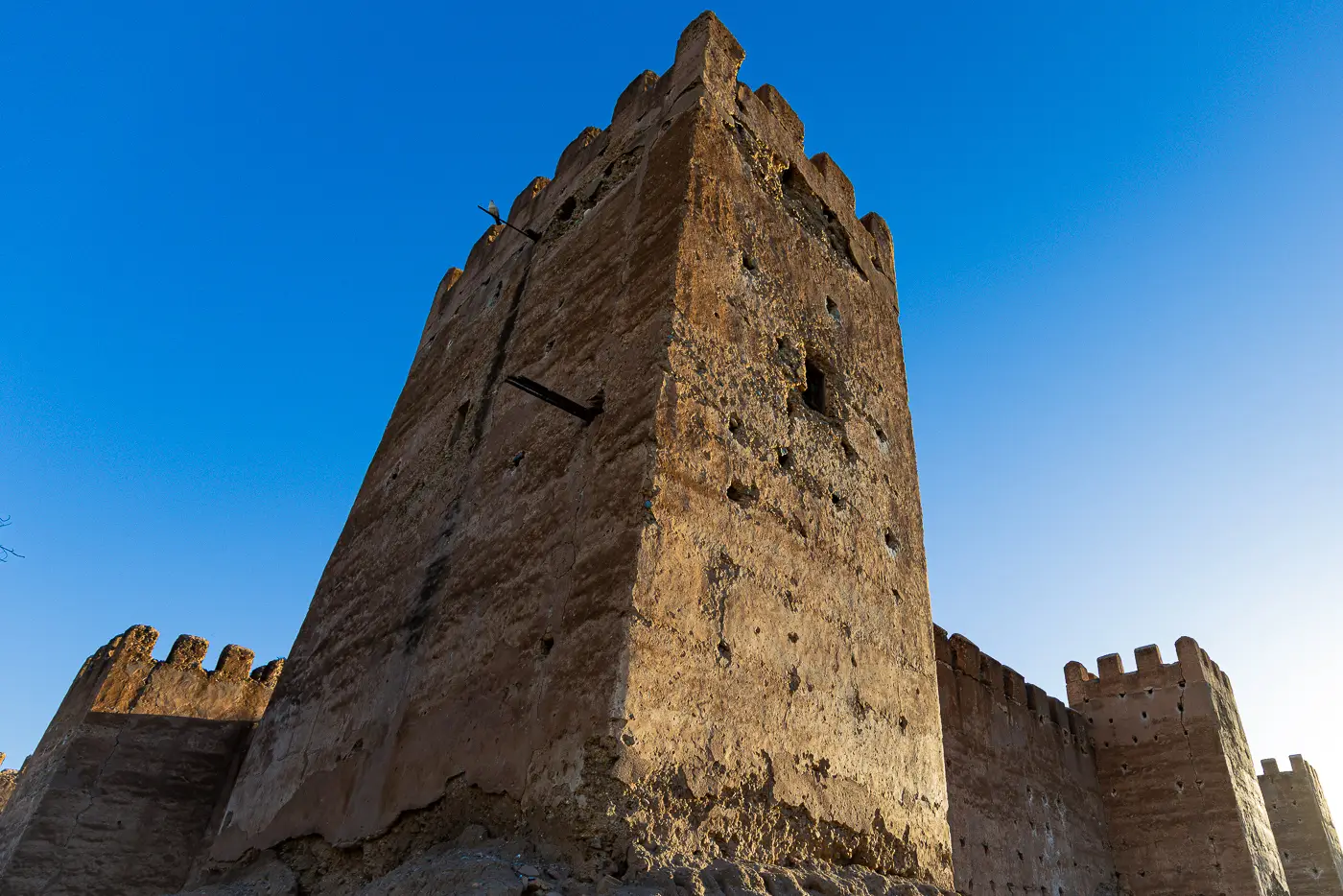
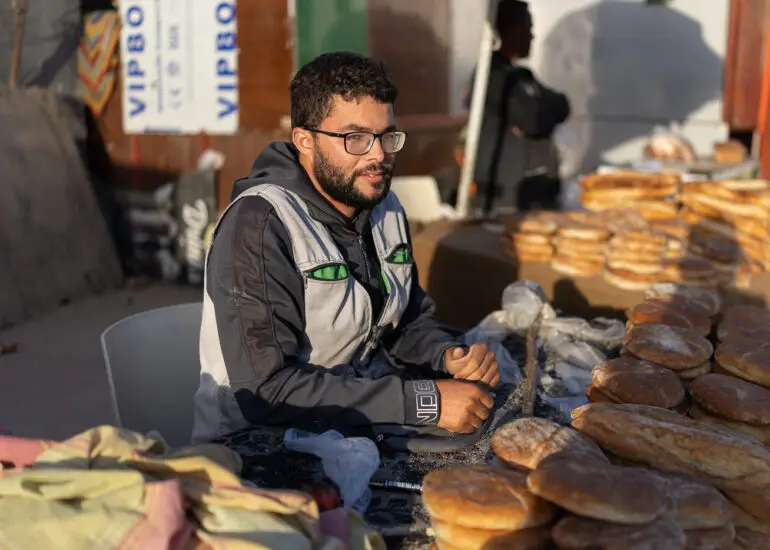
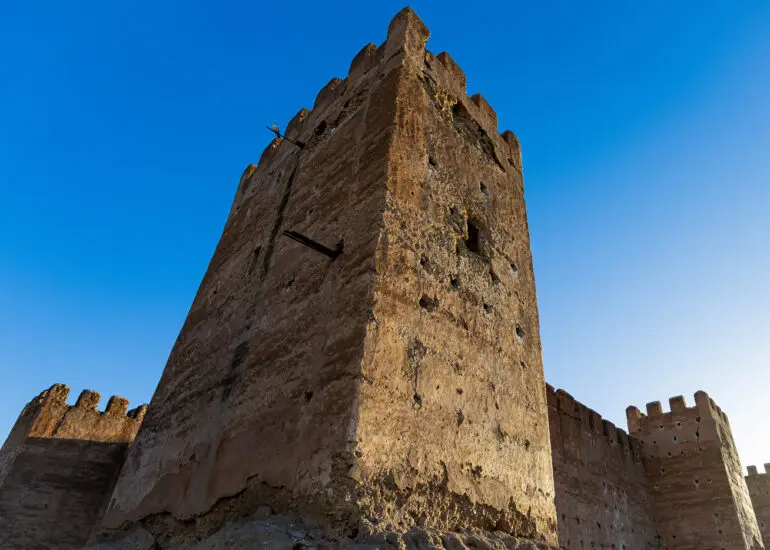
For centuries these mountains were crossed by ancient trans-Saharan trade routes connecting sub-Saharan Africa and the Middle East to northern Morocco and eventually southern Spain. Our first stop was Taroudant, an off-the-beaten-path version of Marrakech. The city is essentially a massive kasbah surrounded by thick walls that keep the town cool during the day and protect it from occasional sandstorms from the south. The night market there was particularly fascinating.
From Taroudant we continued east to Tafraoute, a small town nestled among giant pink granite boulders and surrounded by the Anti-Atlas Mountains. It’s a more common destination for overlanders, but we still found plenty of solitude exploring the back roads and nearby villages. One highlight was visiting the famous Painted Rocks, a surreal art installation scattered across the desert miles above the town.
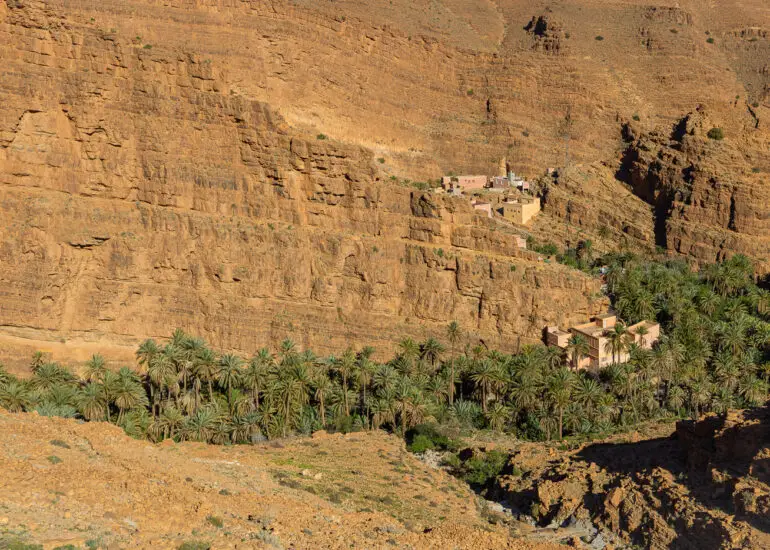
Heading farther east, we explored some of Morocco’s most famous canyons: the Dadès Gorge and the Todra Gorge. These canyons, both of which are many miles long, are filled with ancient kasbahs and world-class outdoor opportunities—including biking, climbing, and hiking.
Moroccan Culture and Ramadan
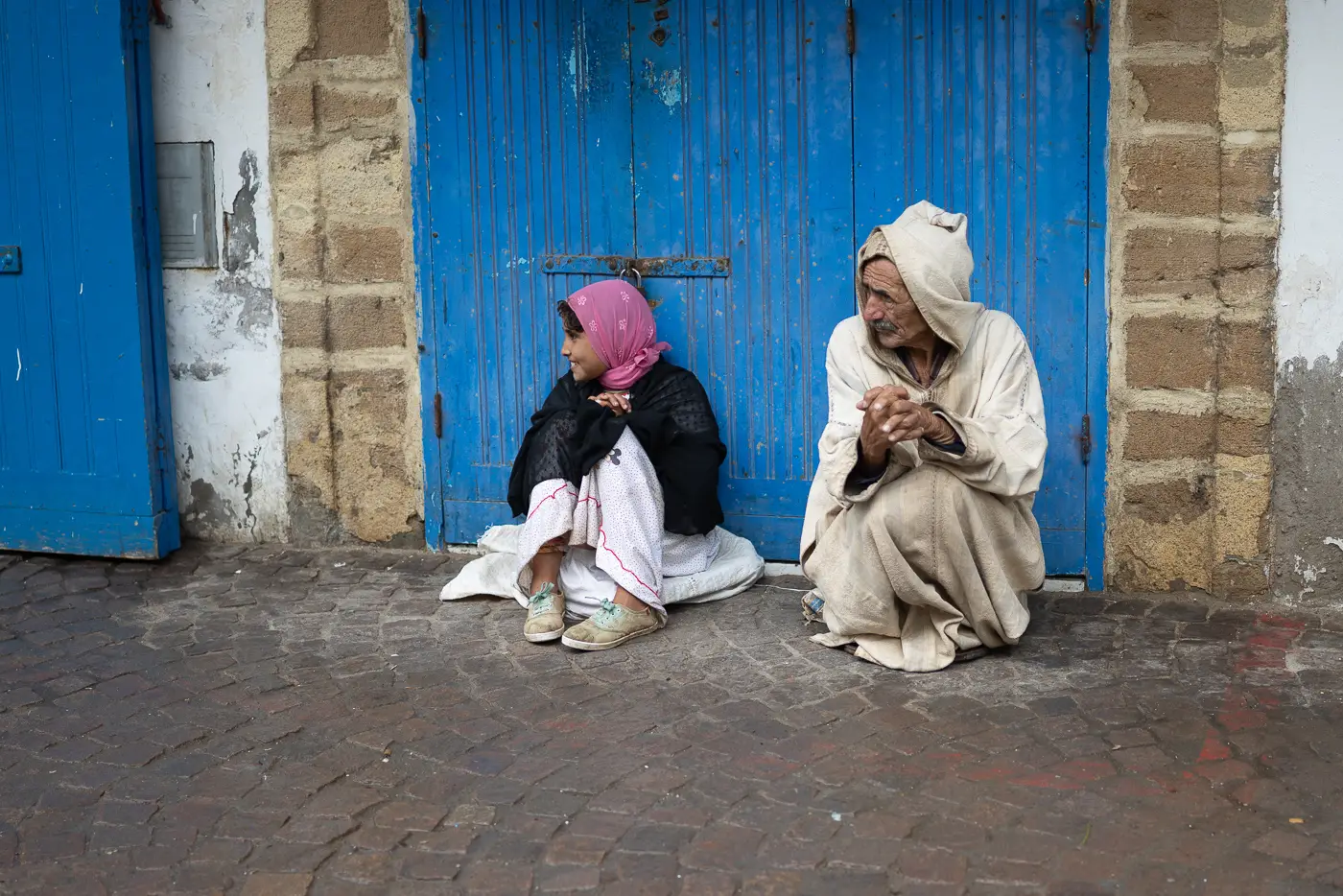
Throughout our first couple of weeks in Morocco, everyone we met was warm and welcoming.
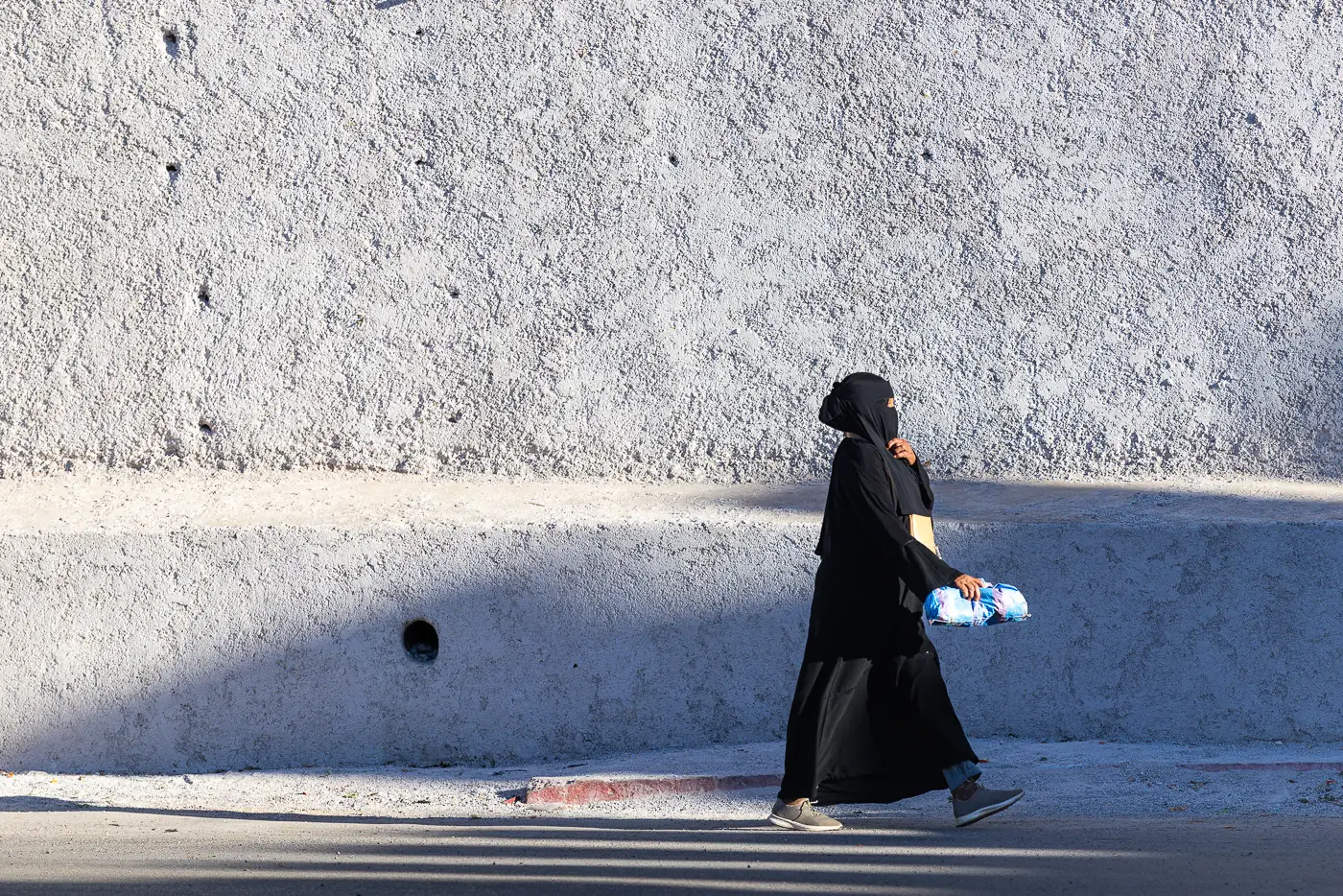
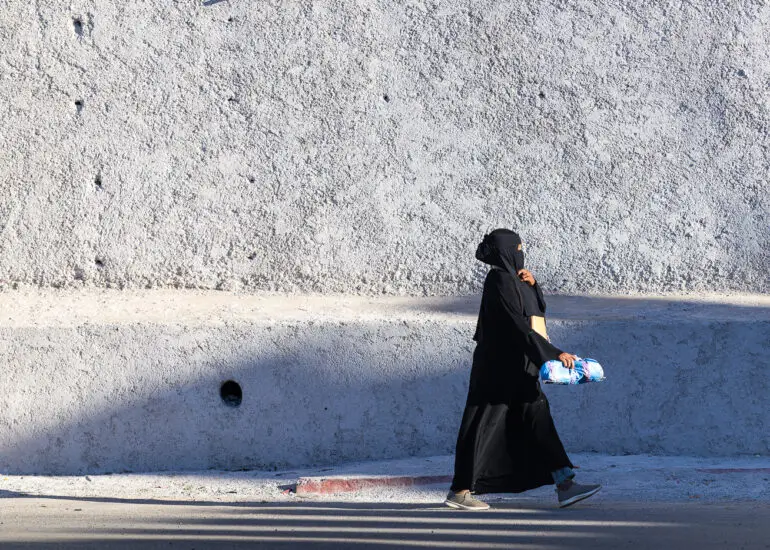
Moroccan religious life, which blends Islam with traditional Amazigh (Berber) animist practices, has a strong influence on daily life. There is a major emphasis on charity and community, which is palpable as you explore Moroccan towns and villages. Leah explores this more in her Morocco adventure journal.
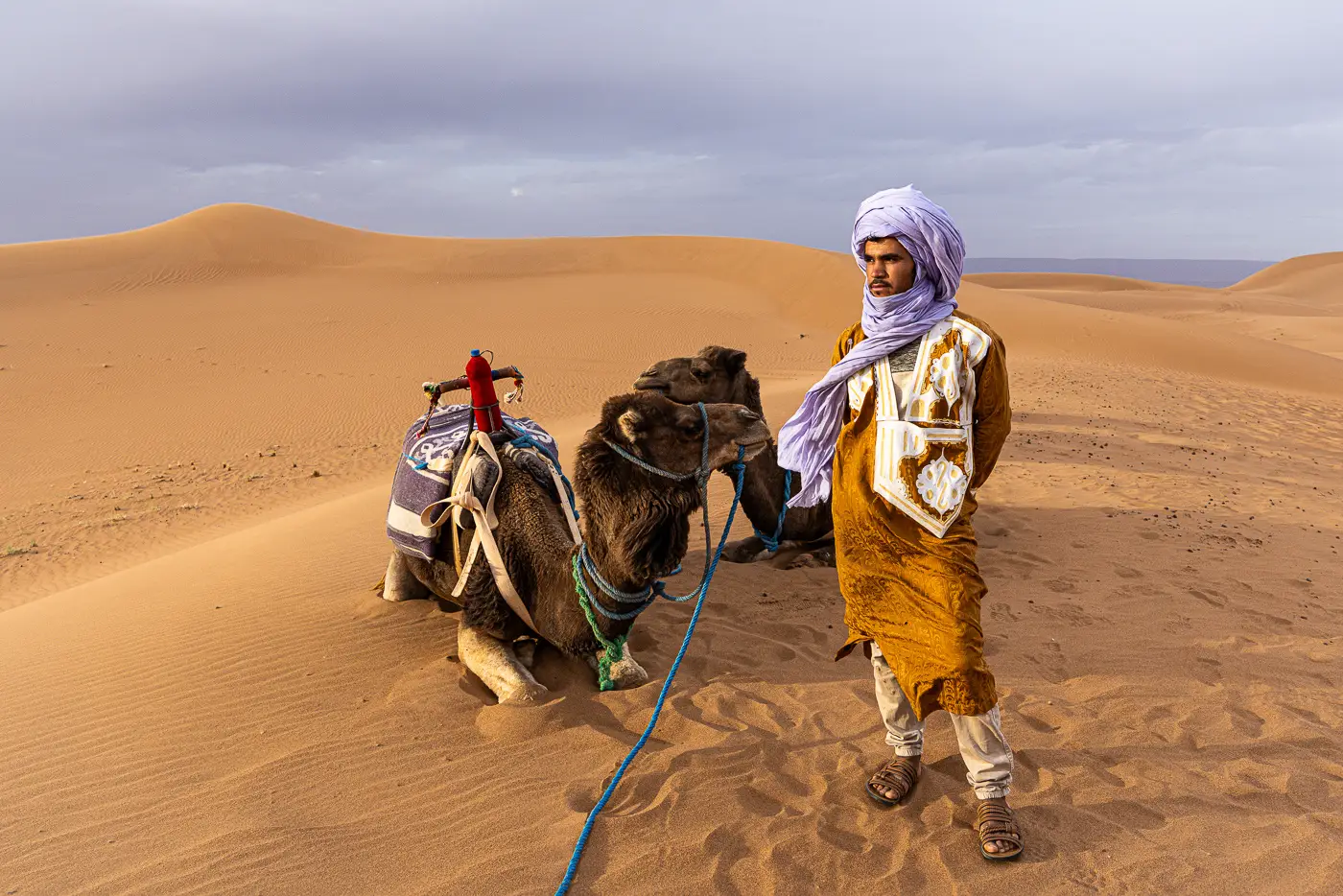
We also observed that Moroccans’ regular prayers, which start early in the morning and continue throughout the day, are similar to meditation, providing Moroccans with a mindfulness that most Westerners lack. We were also fortunate to be traveling during Ramadan, when Moroccans fast (no food or water) from sunrise to sunset, even if they are doing something grueling like leading camel treks in the Sahara. While it meant that many places, including restaurants, were closed during the day, it also gave us a deeper glimpse into Moroccan religious life and the dedication Moroccans have to their religion and spiritual practices.
The Sahara Desert
Of course, no trip to Morocco would be complete without visiting the Sahara Desert.
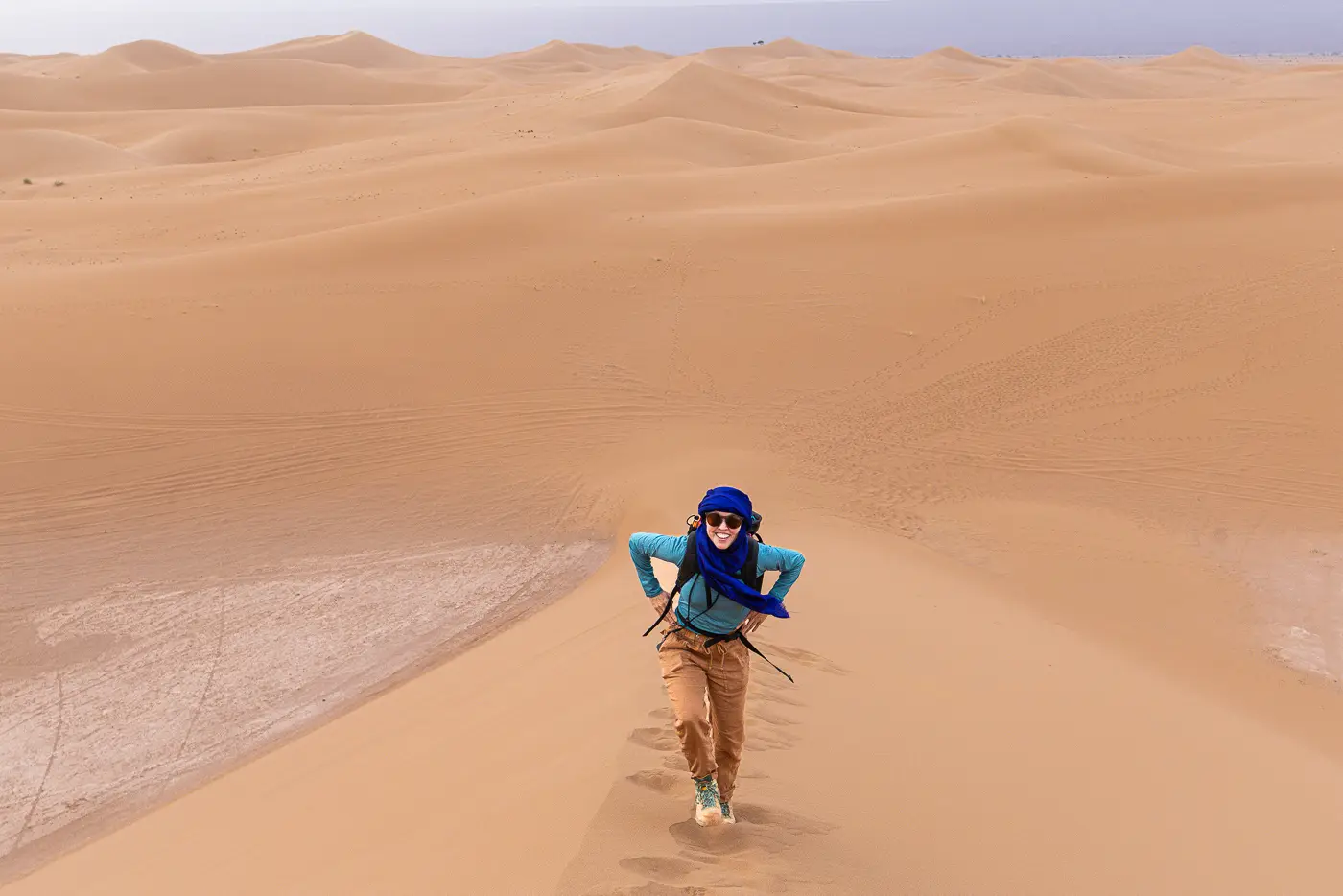
We planned two desert experiences: one in the more remote Erg Chigaga region and another near the more popular Erg Chebbi region. We started in Erg Chigaga, hiring a local Amazigh guide to take us deep into the desert since our motorhome can’t handle the rough off-road tracks that we wanted to explore. What followed were four days of adventure: setting up mobile camps beside the dunes, getting stuck in the mud for hours after an unusually heavy rainstorm, and visiting nomadic families who still live in the remote hamada (rocky desert).
From Erg Chigaga we headed toward Erg Chebbi, a more popular region that we assumed would offer a less adventurous Sahara experience—or so we thought. This time we hired another guide for a journey into the desert that included a stay with a local Amazigh (Berber) family. Our guide Hassan had grown up as a nomad, living in small temporary camps in the desert and moving every year or two to find new grazing areas for their camels, goats, and other animals. Instead of following established tracks, we drove across dunes, over the hamada, and through dry riverbeds that Hassan had traveled through as a child.
This approach allowed us to get far off the beaten path and visit parts of the desert that foreigners rarely, if ever, see, including 5,000-year-old petroglyphs that Hassan discovered as a child, as well as huge beds of mineralized fossils. We had expected to stay with a Berber family in a village, but instead we arrived at a small nomadic community where we slept in a simple makeshift tent like the ones used by the families living there. In the morning we woke to a beautiful sunrise over the Algerian border behind us. It certainly wasn’t our most comfortable night in Morocco, but it was one of the most authentic and memorable experiences of our journey.
The High Atlas Mountains
With a few weeks left on our visa, we headed north again, traveling into the High Atlas Mountains, home of the highest mountains in North Africa.
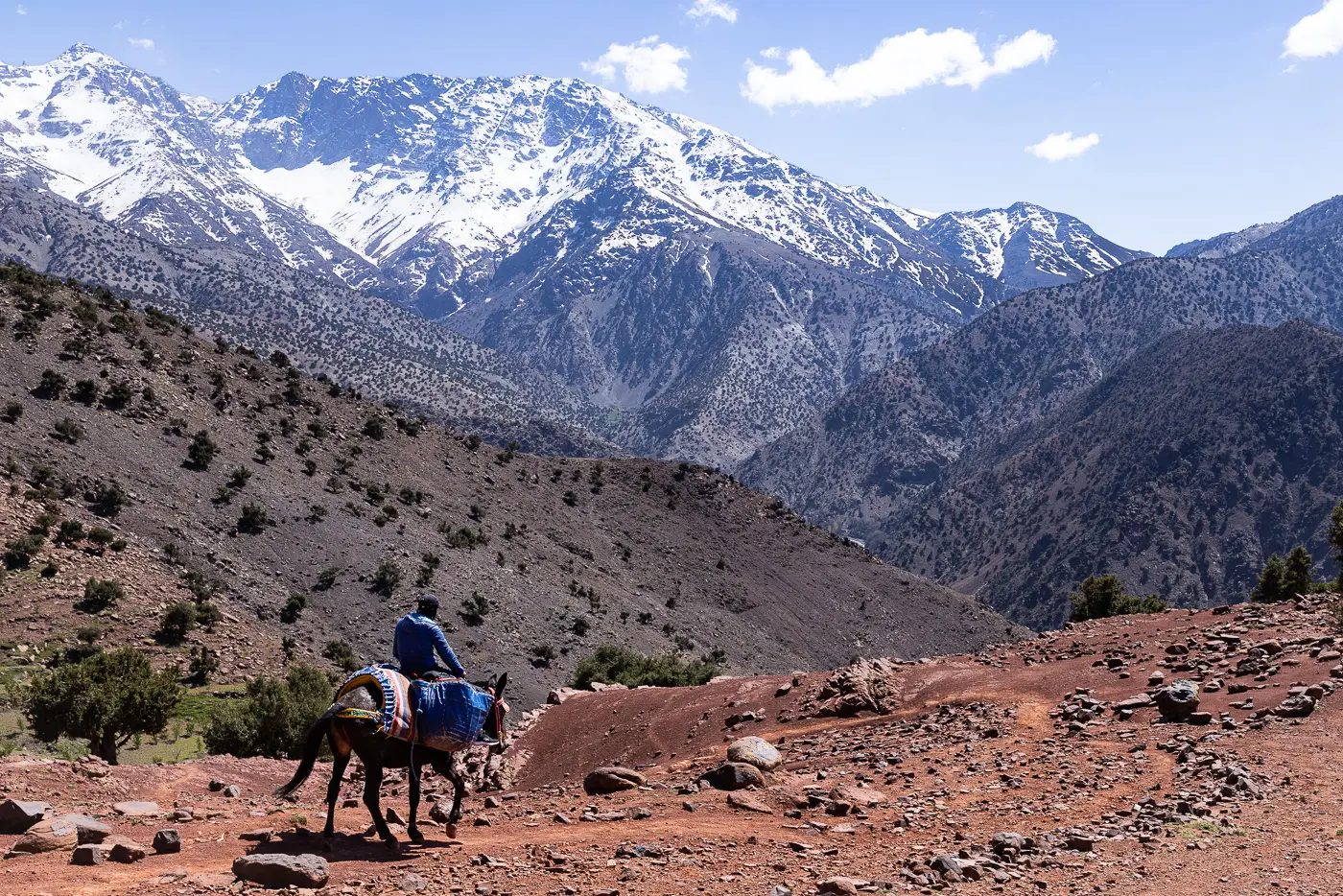
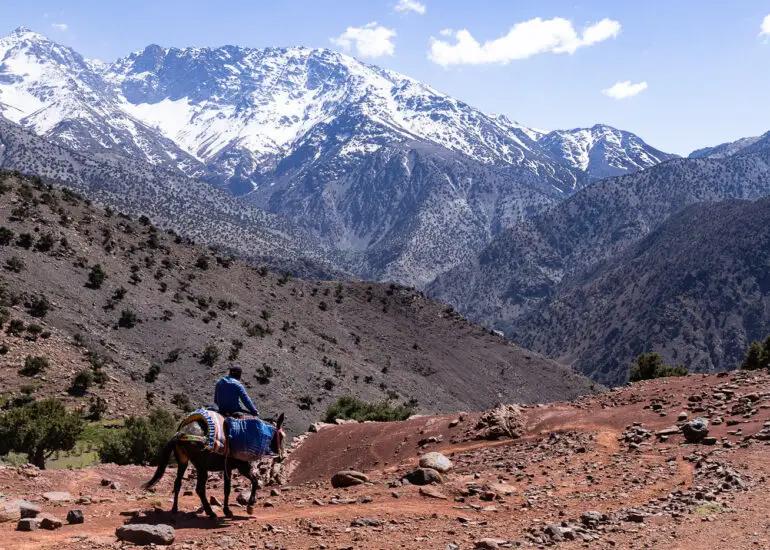
We completed a four-day trek through Toubkal National Park starting in the village of Imlil. The hiking was challenging, but we were rewarded with amazing views of snow-capped peaks and spent our nights in guesthouses in traditional Berber villages.
Northern Morocco
After a couple months in Morocco, our time was running short (you can only spend 90 days in Morocco without getting a visa).
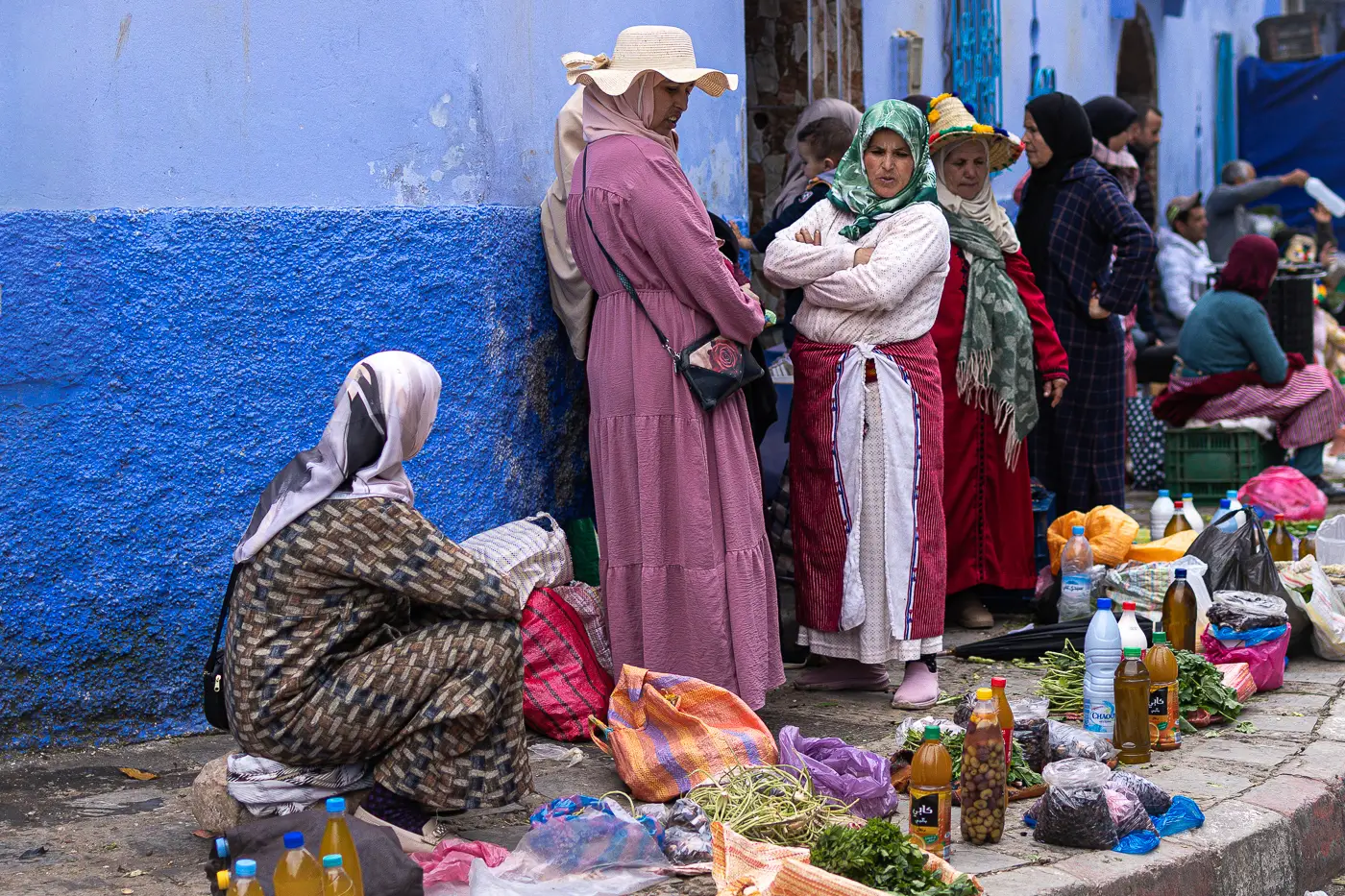
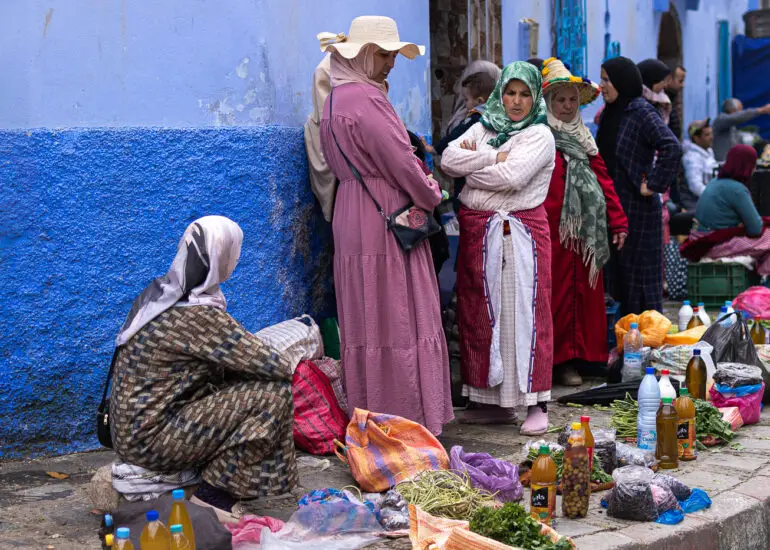
We spent a relaxing final week biking and hiking on the Mediterranean coast and exploring the “Blue City” of Chefchaouen. We enjoyed wandering through the blue streets of the beautiful city, and with its heavy Andalusian influence it provided a fitting transition for our return back to Spain. Wandering Chefchaouen’s quiet blue streets felt like we were in a surreal painting.
At the Crossroads of Worlds from the Atlantic to the Saharah
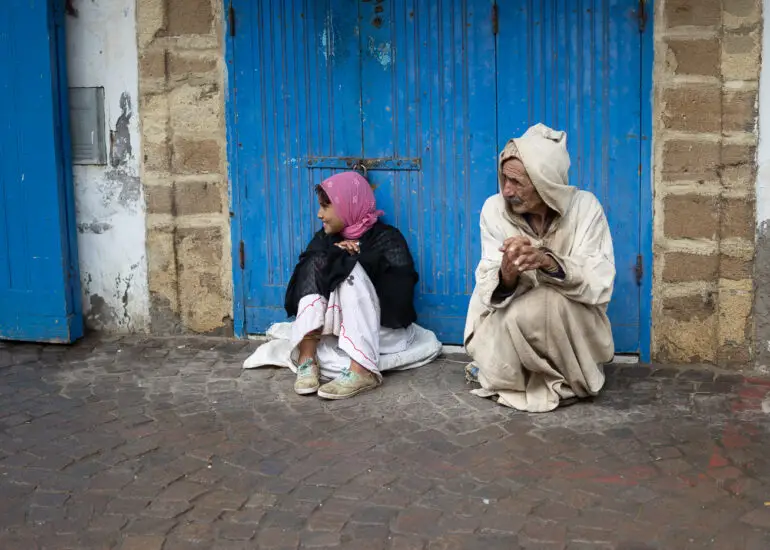
As we boarded the ferry back to Spain, we carried with us not just memories of landscapes, but the generosity and spirit of the people who made Morocco unforgettable for us and a country that we hope to return to someday soon.
Journals
Adventure Journals
video
Field Notes in Motion

Comments are closed.
adventure.wolves