Slovenia
Adventure Report
Slovenia
“More than Mountains"
More Than the Mountains
“From the Julian Alps to the Soča and Slovenia’s wine country”
In late August, we crossed into Slovenia from Austria. Slovenia was a country that had always intrigued us, but we knew surprisingly little about it. By the end of our month there, it had become one of our favorite countries in the world, never mind Europe.


The Julian Alps
We began in Kobarid, a small historic town in the Soča Valley surrounded by the Julian Alps.
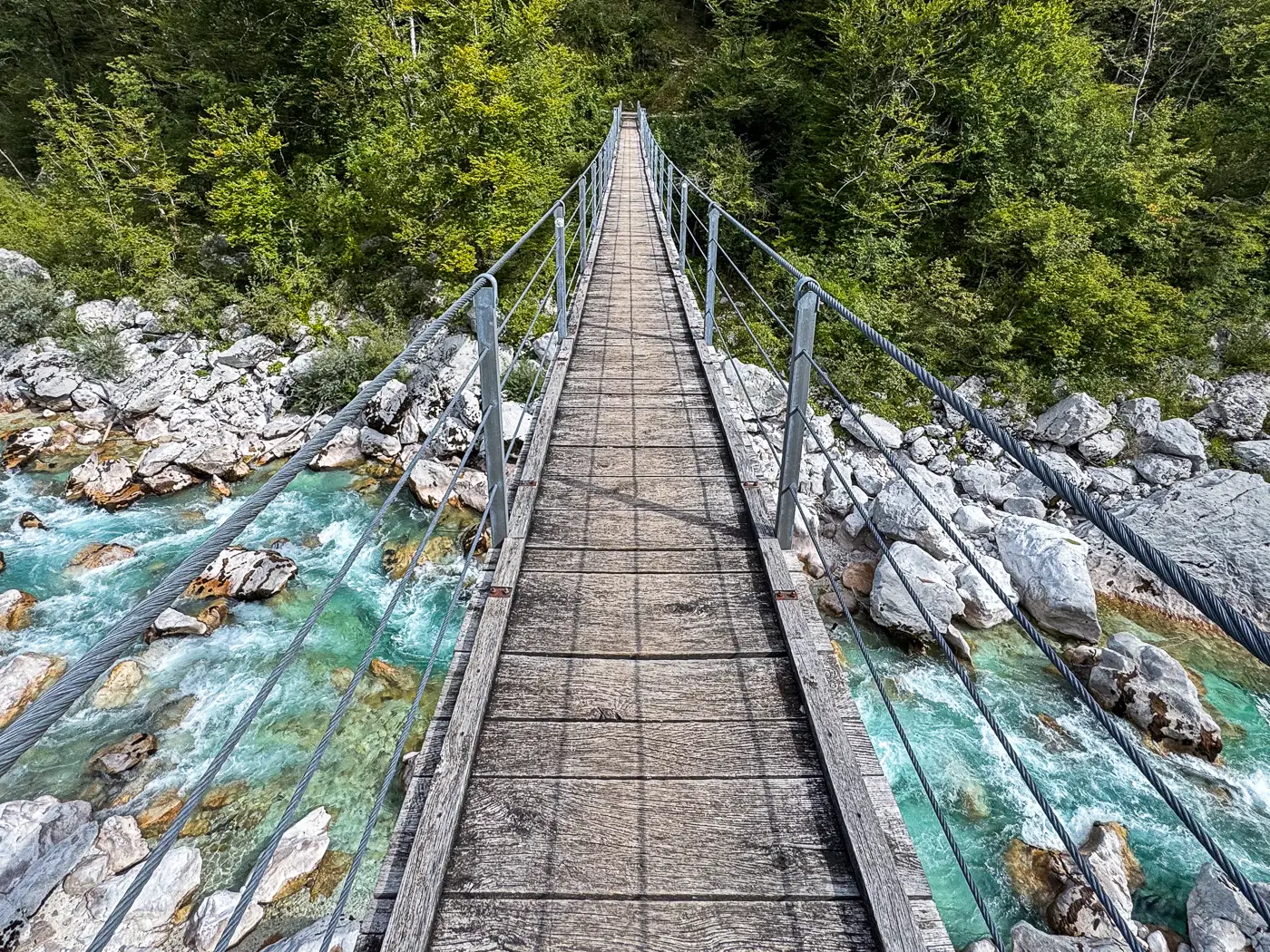
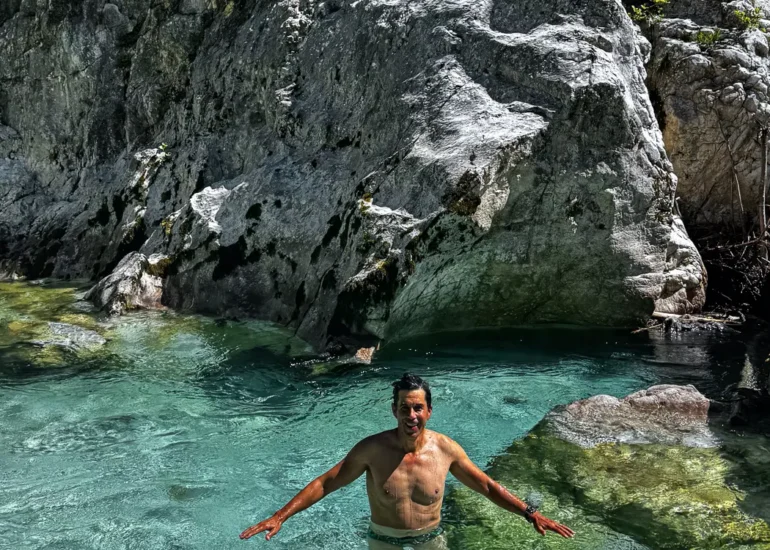
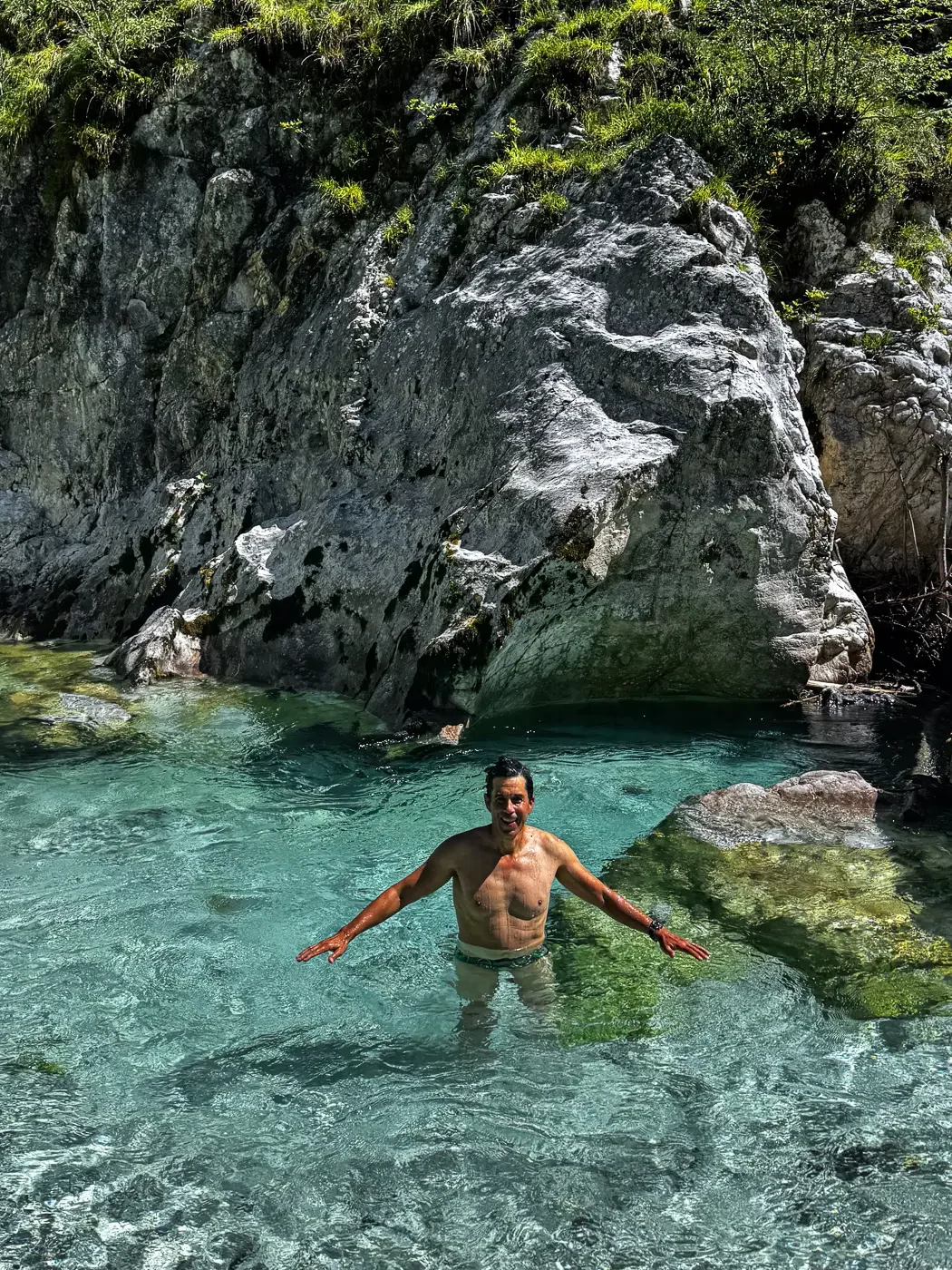
Using Kobarid as a base, we biked and hiked in the surrounding mountains and swam in the Soča, a river famous for its brilliant turquoise-green water. Although some places in the valley, in particular Bovec, were still relatively crowded in August, Kobarid felt much more low-key, enabling us to find swimming holes and trails that we had almost entirely to ourselves.
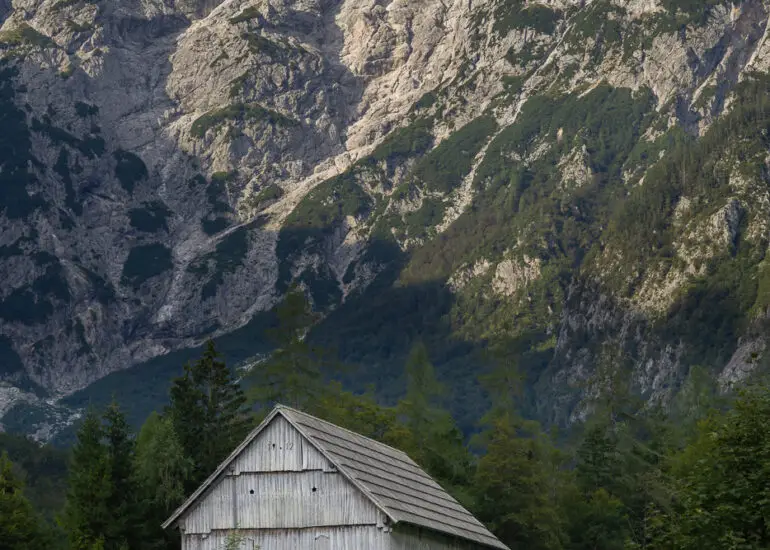
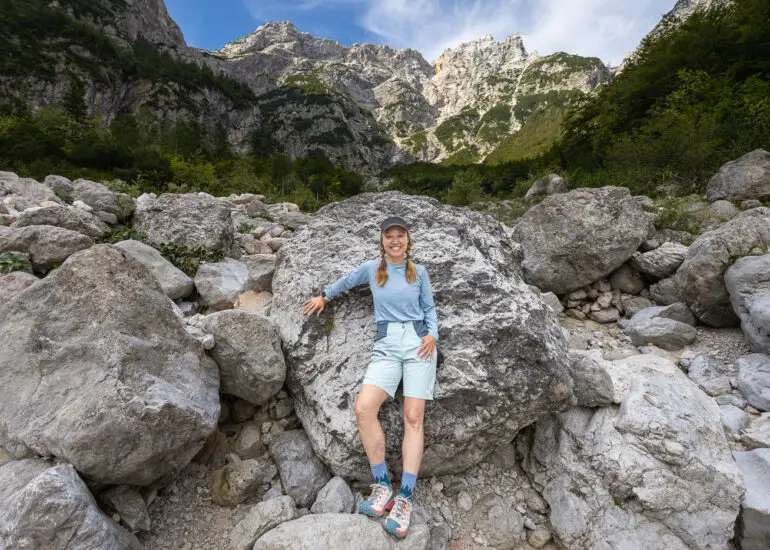
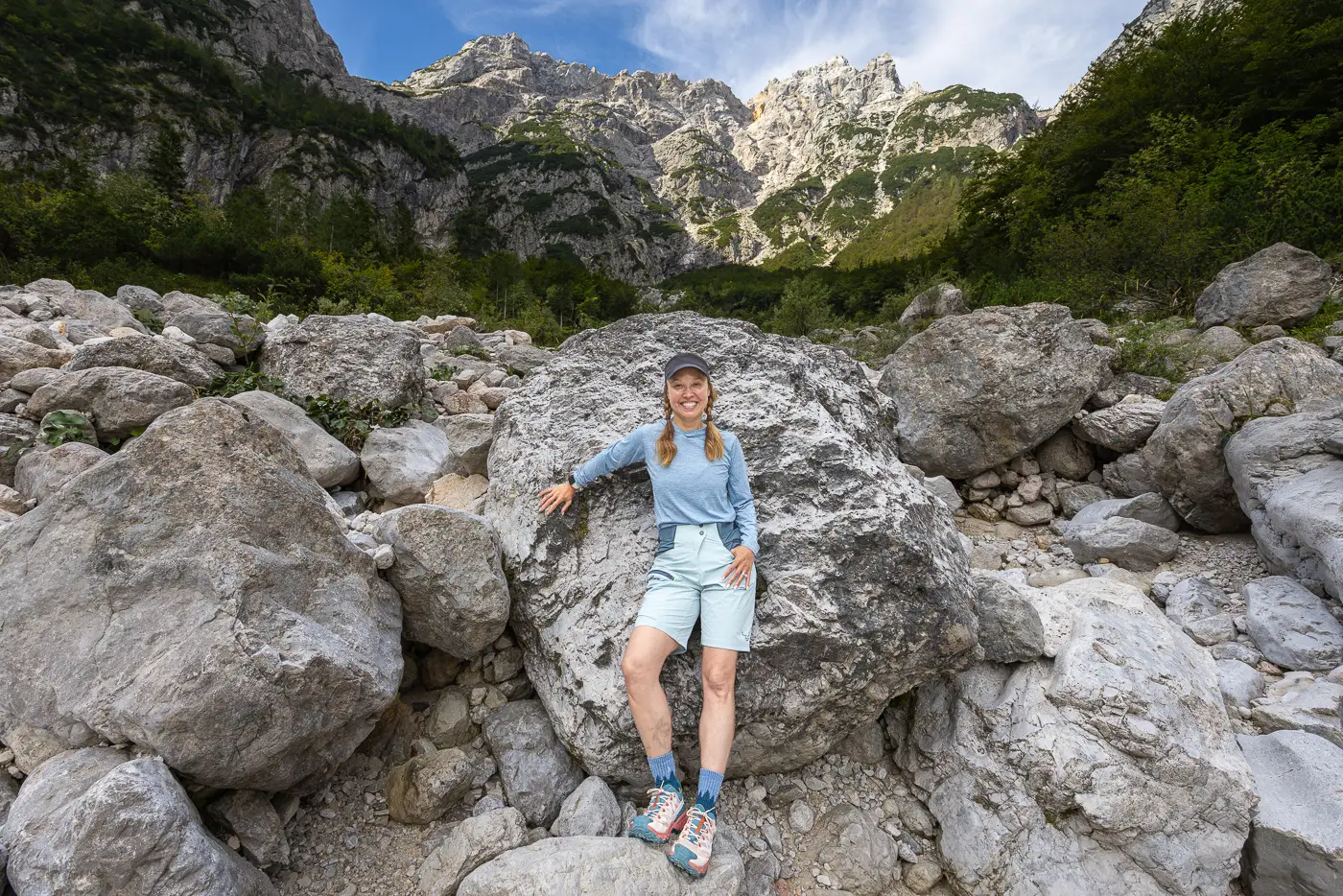
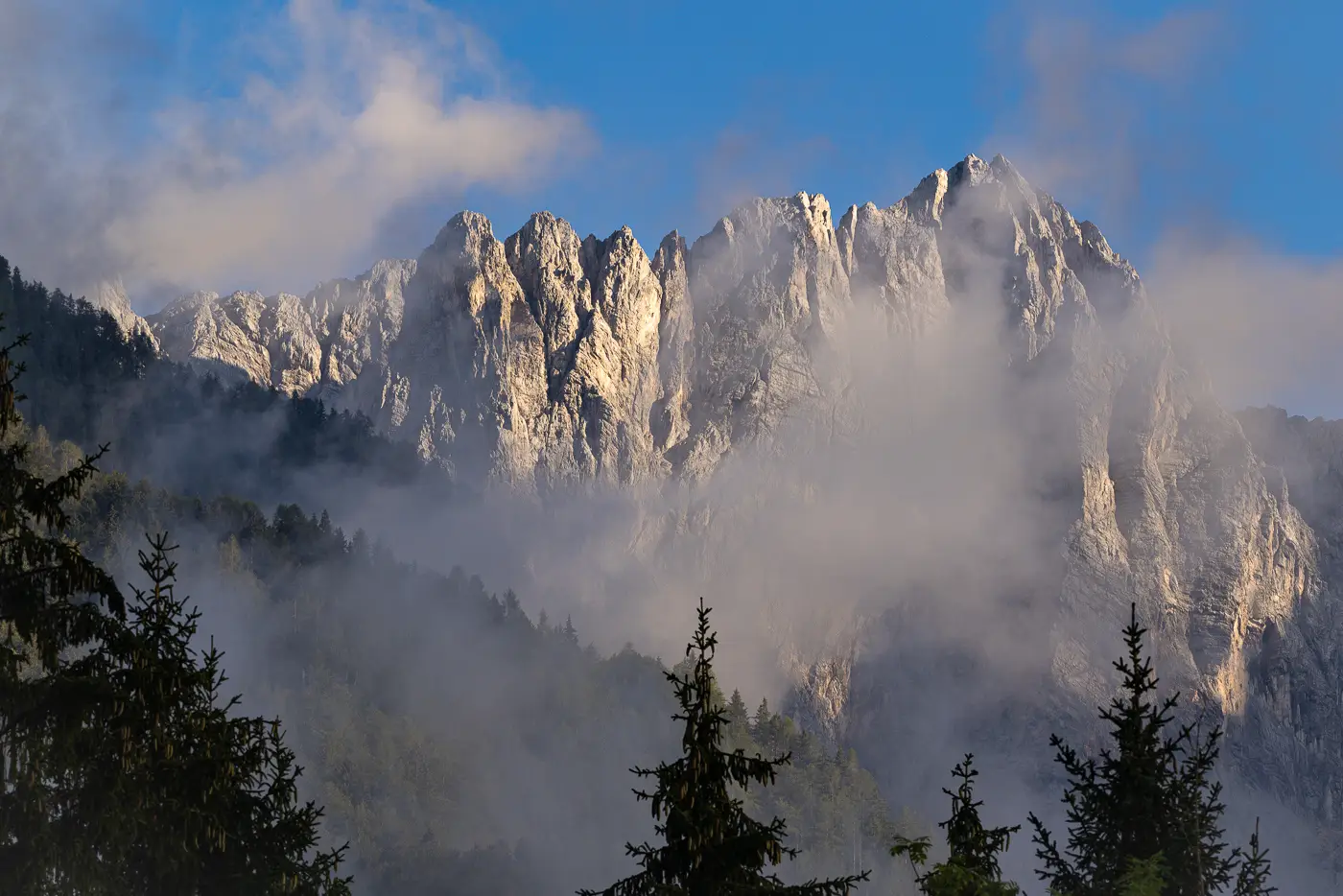
From the Soča Valley, we headed to Gozd Martuljek, a tiny village near Kranjska Gora at the base of the Špik group. Towering directly above the valley, the steep limestone walls and sharply pointed peaks of Špik and the surrounding mountains make this one of the most dramatic sections of the Julian Alps.
The West Loop
From Gozd Martuljek, Karl embarked on the Slovenia West Loop, a six- to seven-day, 265-mile bikepacking route through western Slovenia and a small section of northern Italy.
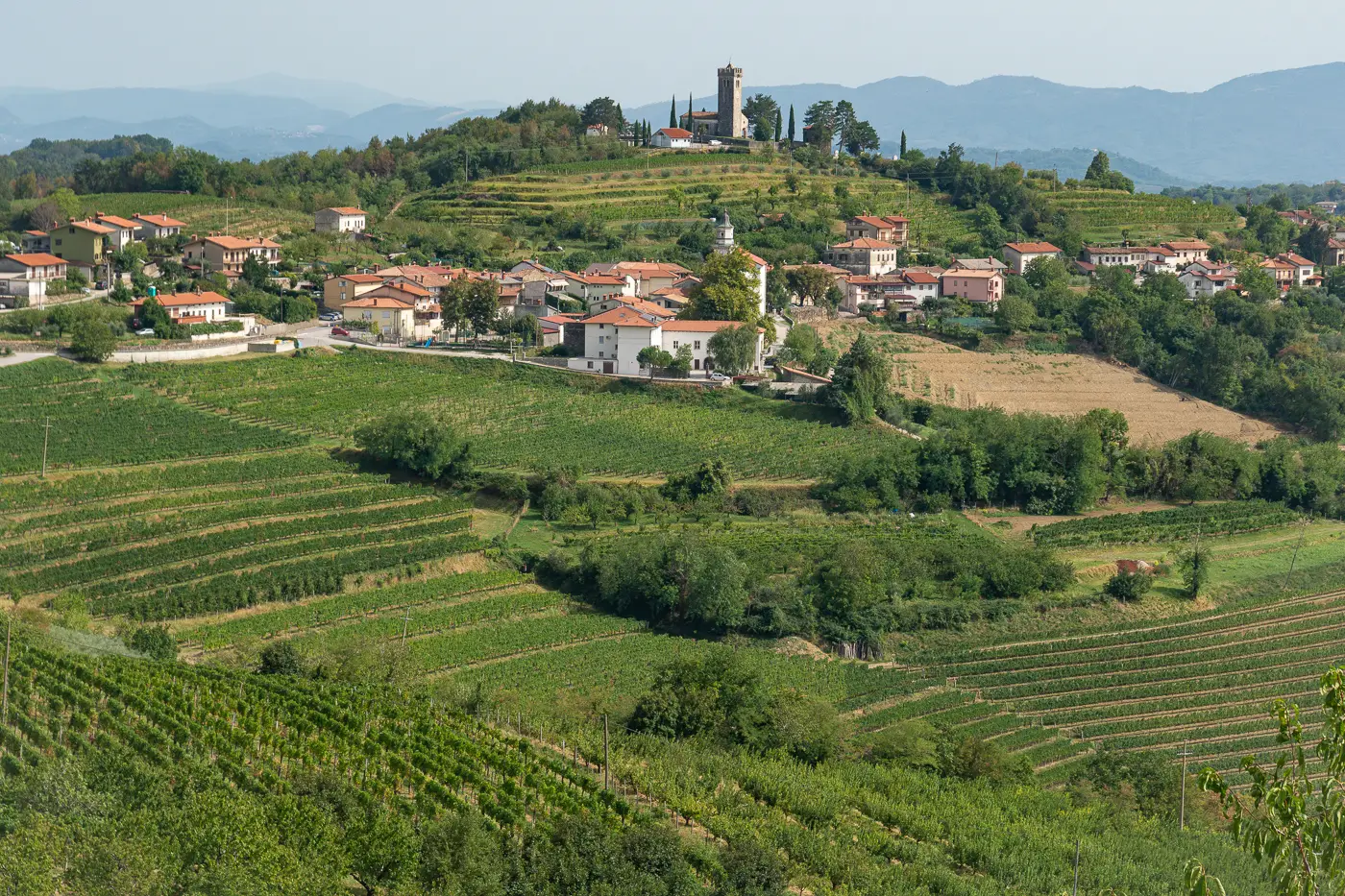
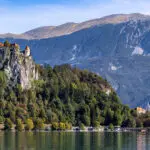
Over the next week, he crossed high mountain passes, rode through the vineyard-covered hills of Goriška Brda, explored the castles, caves, and forests of Slovenia’s karst country, and passed Lake Bled before returning to the Julian Alps.
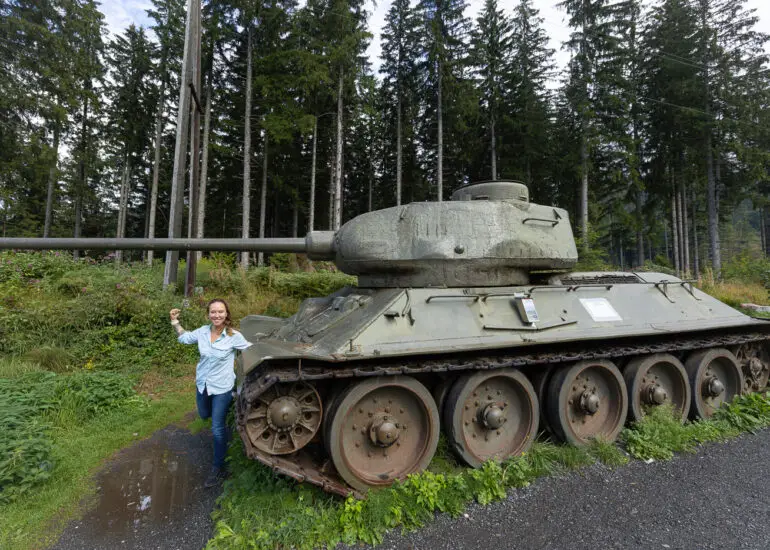
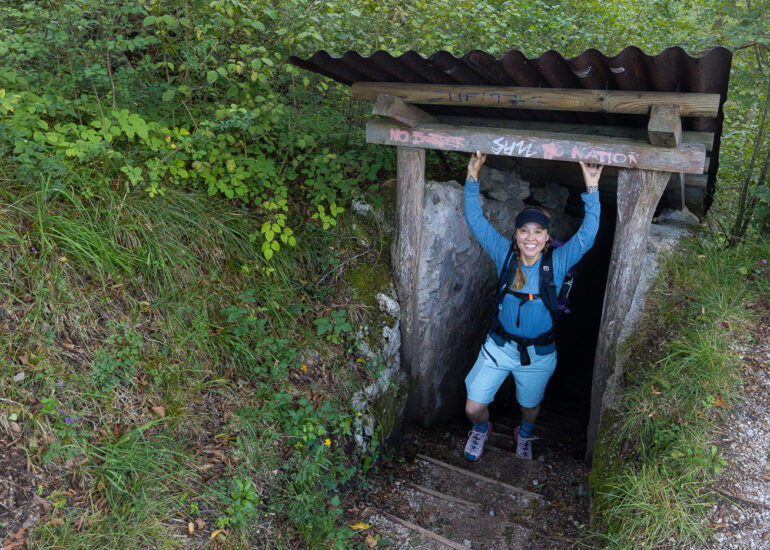
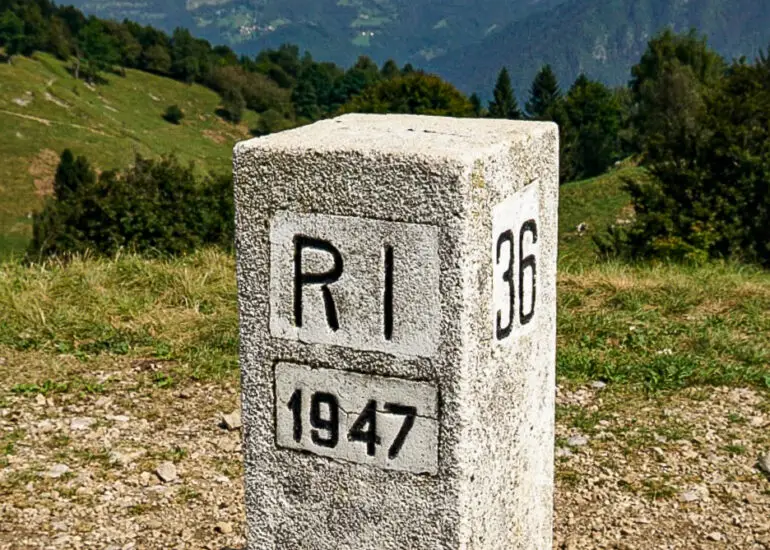
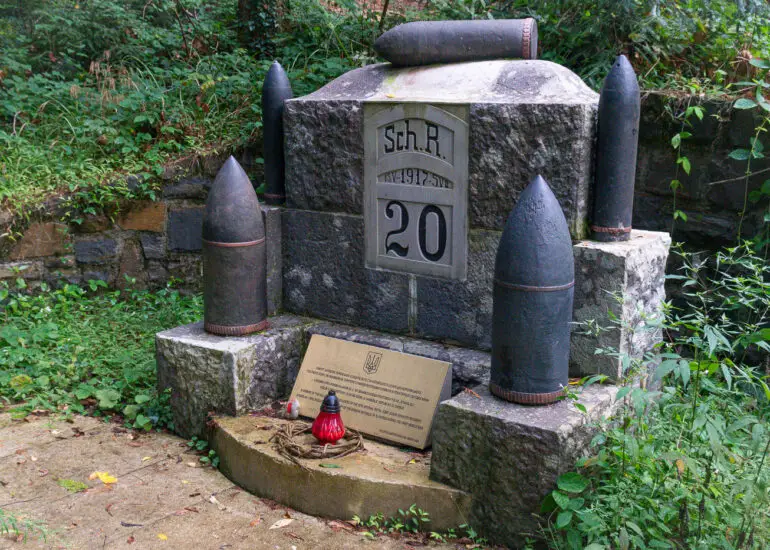
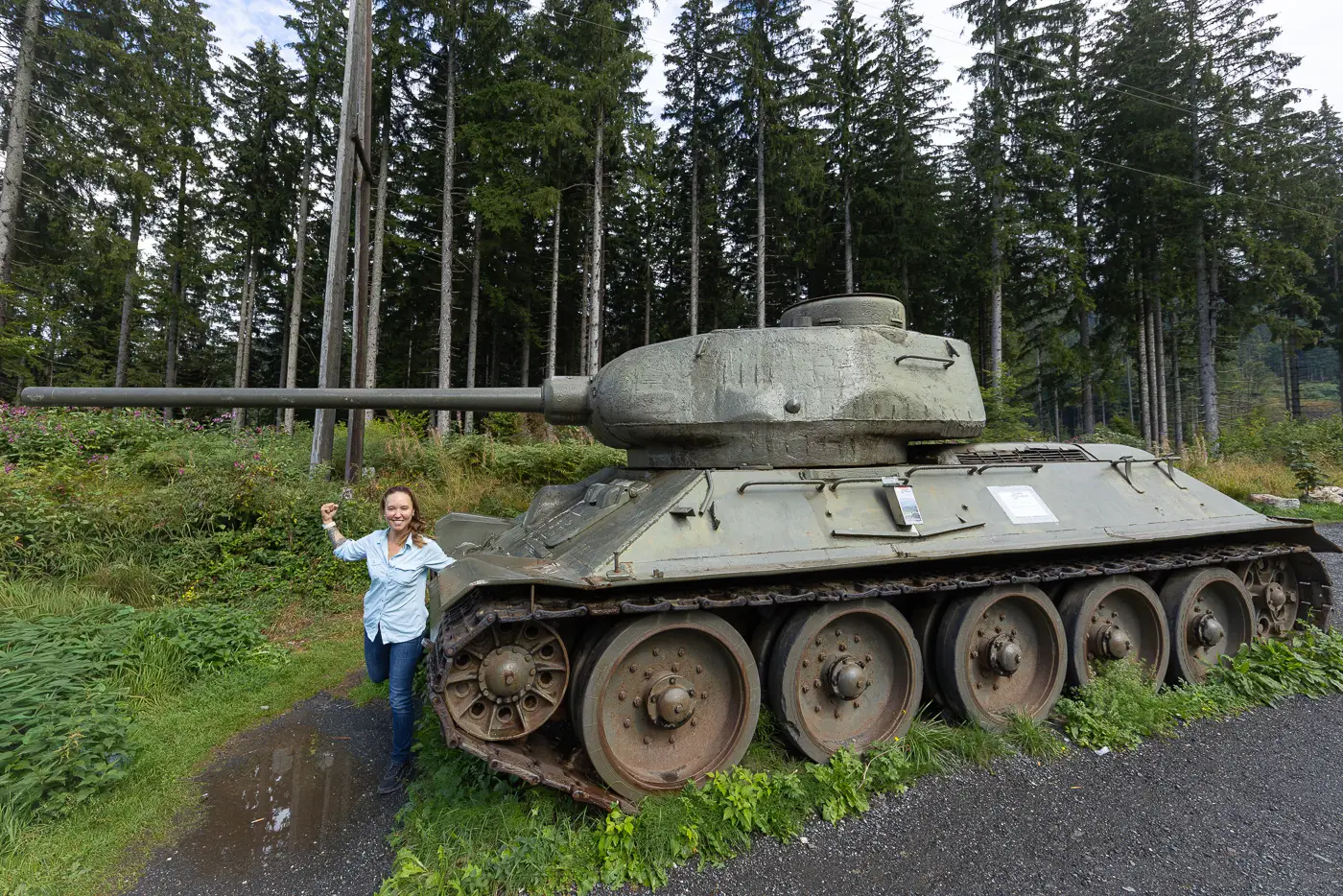
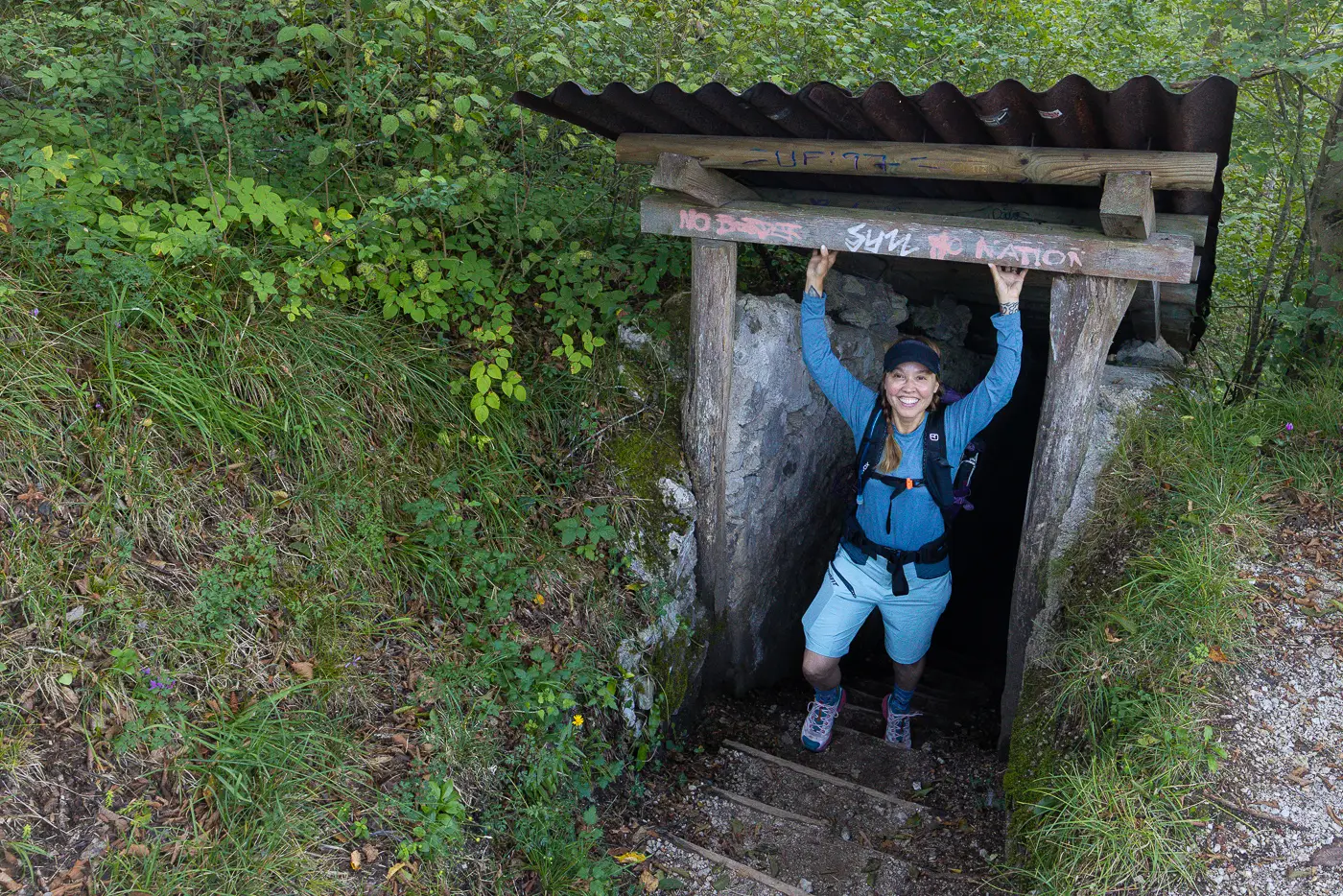
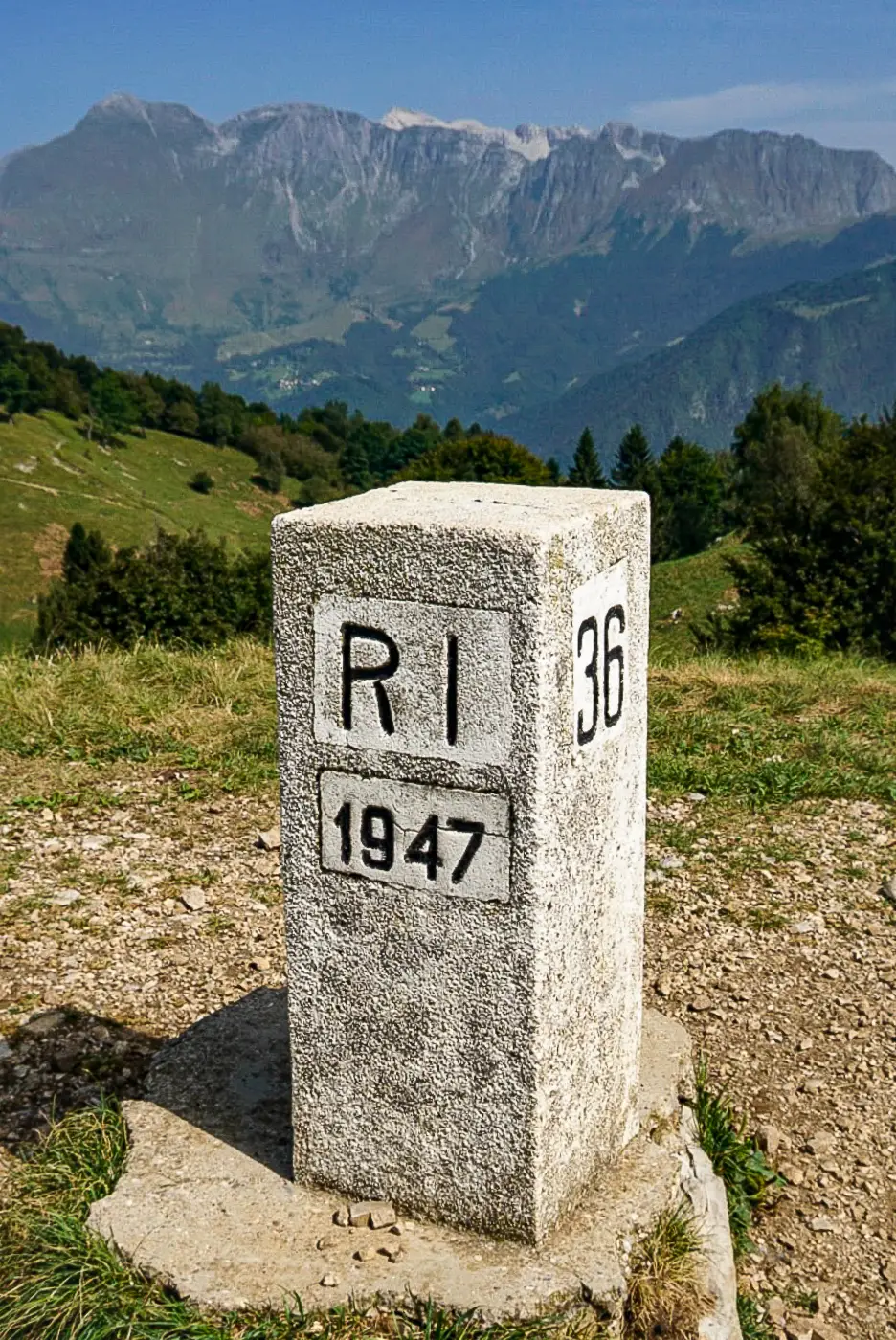
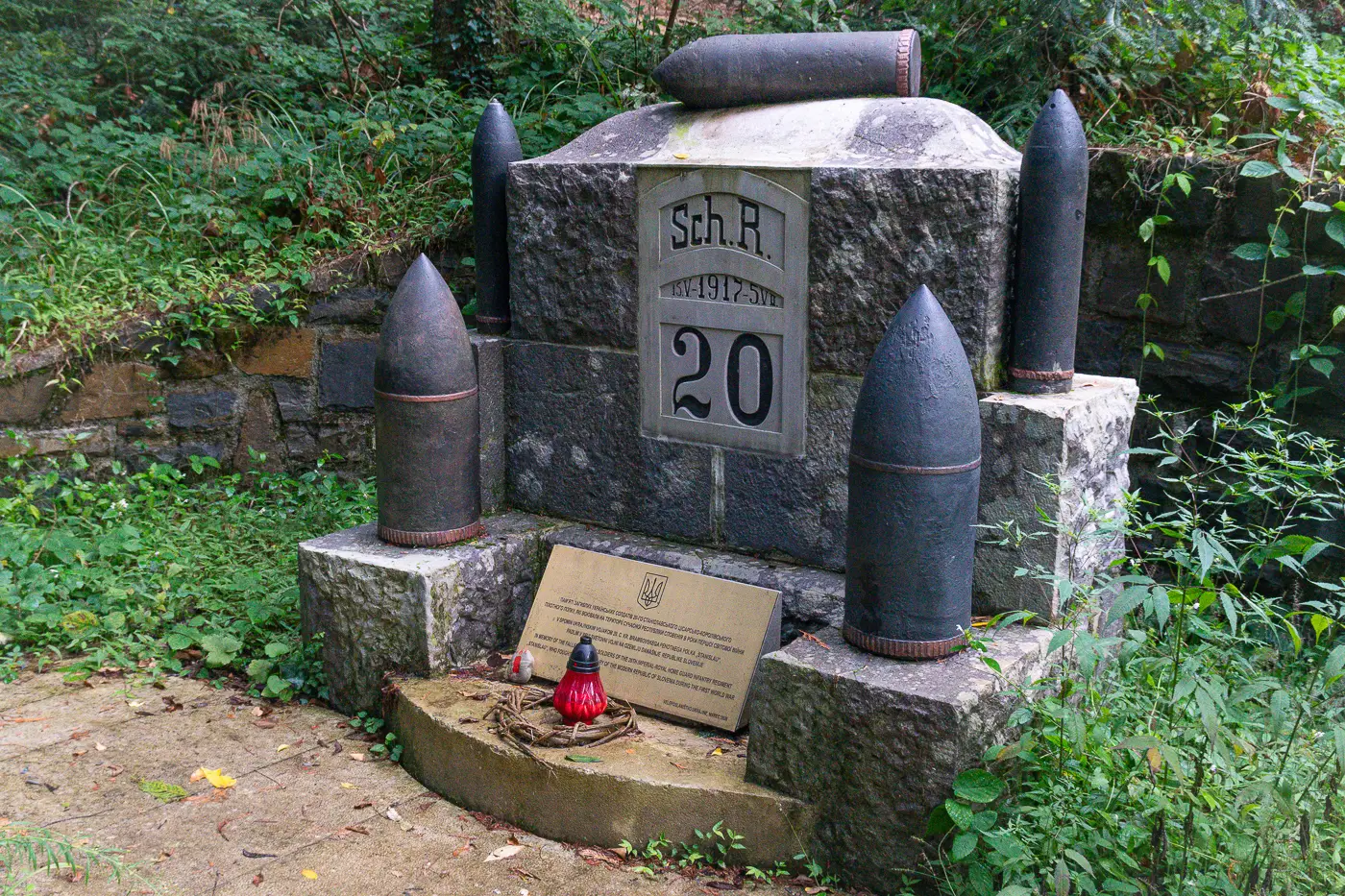
During World War I, the Julian Alps and Soča Valley formed part of the Isonzo Front, where Italian and Austro-Hungarian forces fought a series of brutal battles. One of the most fascinating aspects of the West Loop was exploring the bunkers, memorials, trenches, and tunnels that are embedded in the landscape. The diversity of the route gave Karl a much deeper appreciation for the remarkable variety of Slovenia’s landscapes and regions, many of which we would return to and explore more fully together during the rest of our trip.
The Kamnik Savinja Alps
From the Julian Alps, we moved east to the Logar Valley, which became our base for exploring the Kamnik–Savinja Alps.
The mountains here are no less spectacular than the Julian Alps, but the region feels considerably more remote. We were surprised by how many Slovenians we met who had never visited this corner of their own country, even though it is only a couple of hours from Ljubljana.
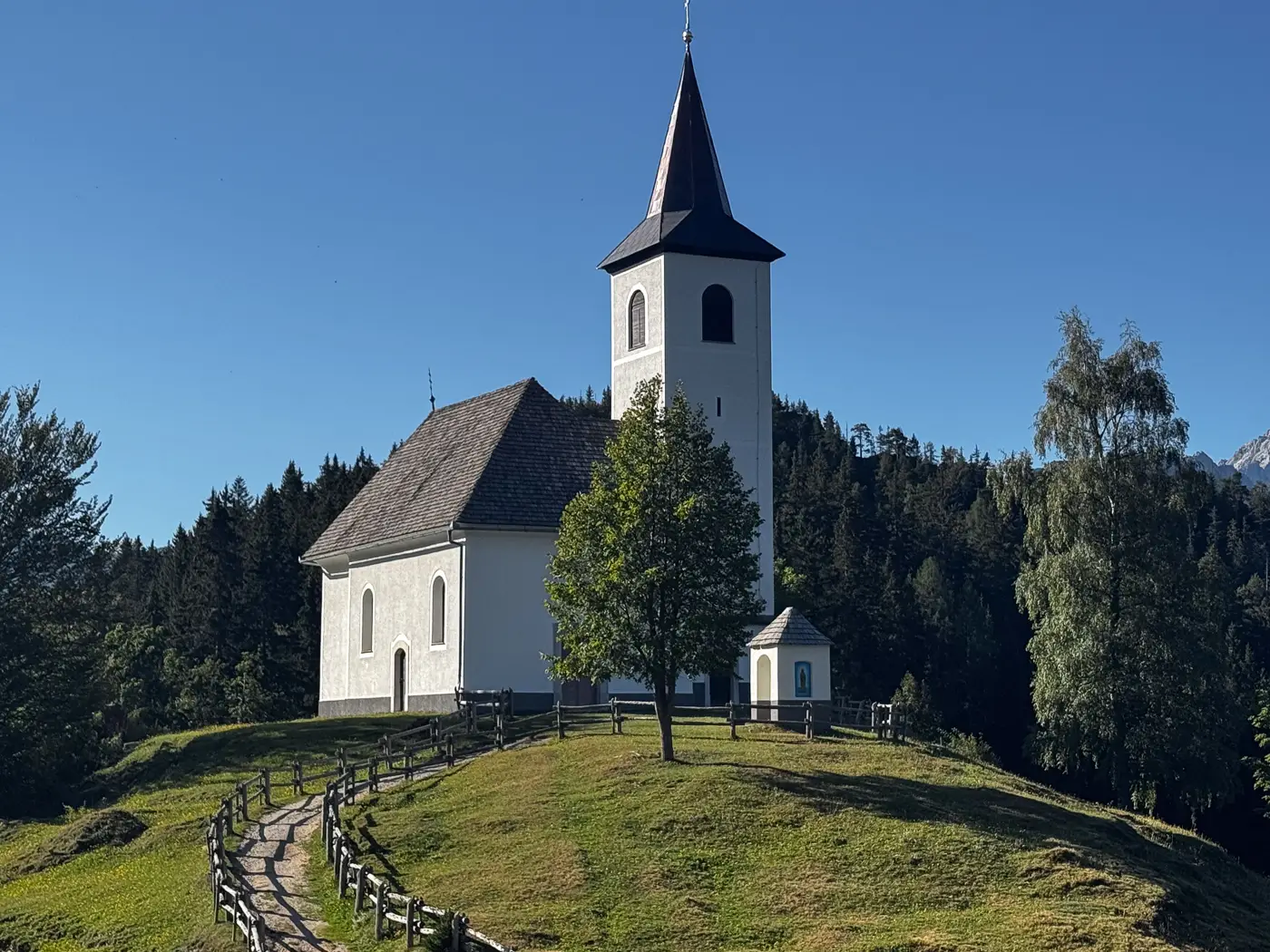
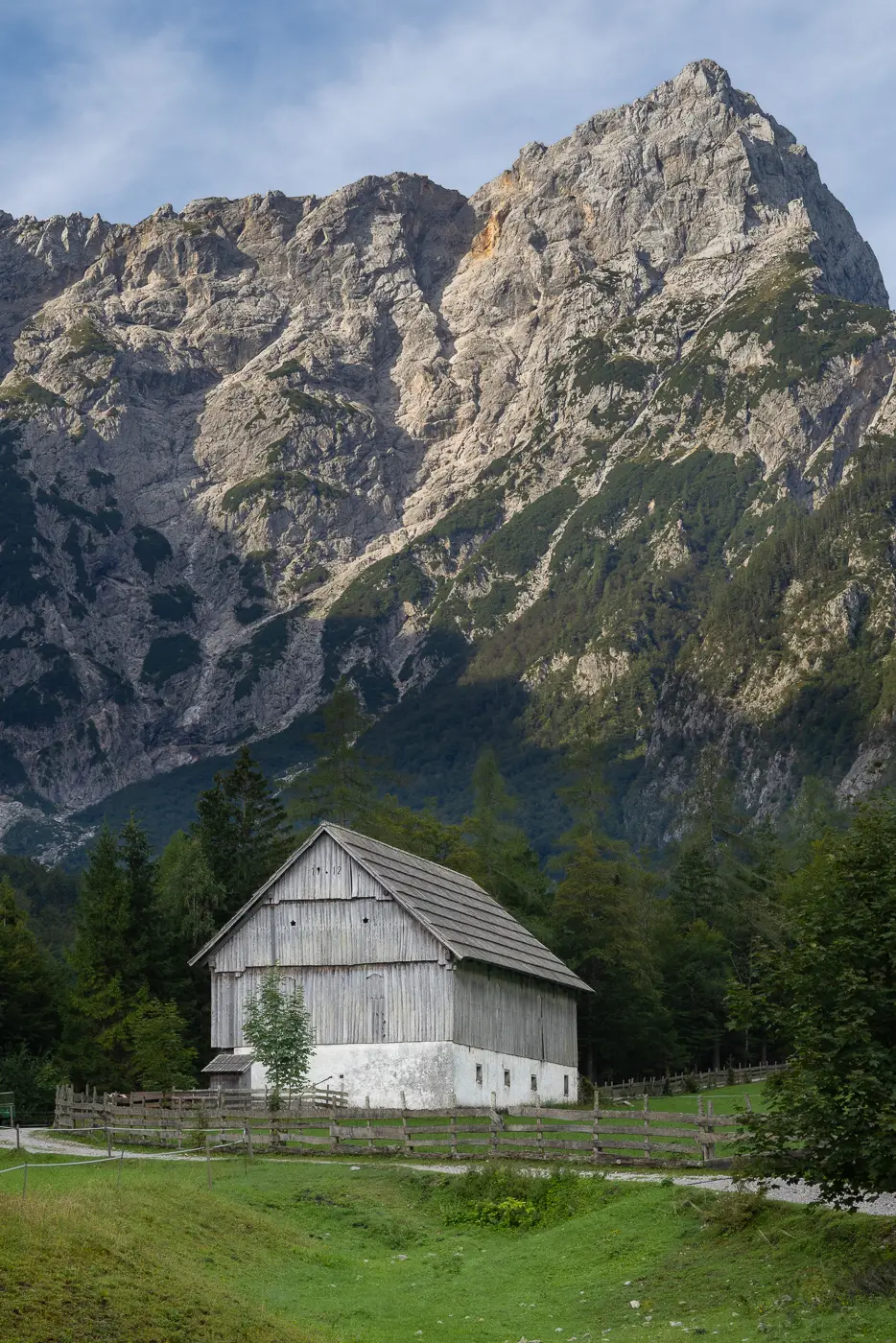
While in the Kamnik–Savinja Alps, we stayed on a farm near the tiny village of Solčava, where alpine farms have existed for generations. Farming, forestry, and livestock have been essential to the communities of this region for hundreds of years. Staying there gave us a glimpse into rural Alpine culture that is quickly disappearing in Switzerland and, more gradually, in Austria and is one of the things that made Slovenia feel so authentic.
The Karst Region
From the Kamnik–Savinja Alps, we headed south to Ljubljana, where we spent a day exploring the city’s compact but beautiful historic center before continuing southwest back into the Karst region that Karl had biked through on the West Loop.
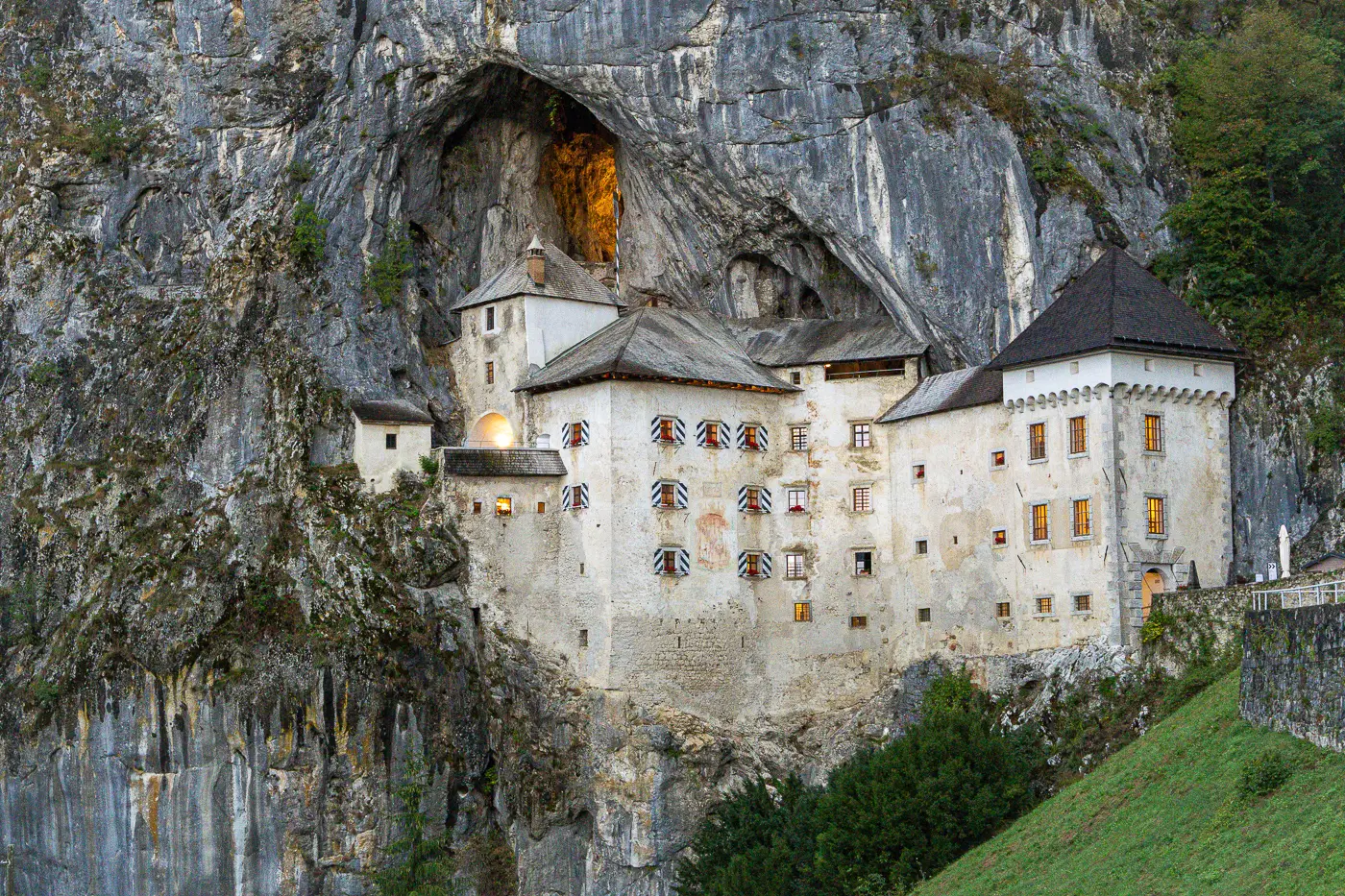
Much of southern and southwestern Slovenia is characterized by karst terrain, a landscape of soluble limestone that has been shaped over millions of years by water into caves, sinkholes, and underground rivers. While there, we explored Predjama Castle, a medieval castle built directly into the mouth of a cave, and Postojna Cave, part of a huge underground system of chambers and passages. Predjama Castle and Postojna Cave are popular, but the region is also home to more remote cave systems like those in Rakov Škocjan, a forested karst valley that Karl explored on the West Loop.
Goriška Brda
Our last stop in Slovenia was Goriška Brda, a beautiful wine region near the Italian border.
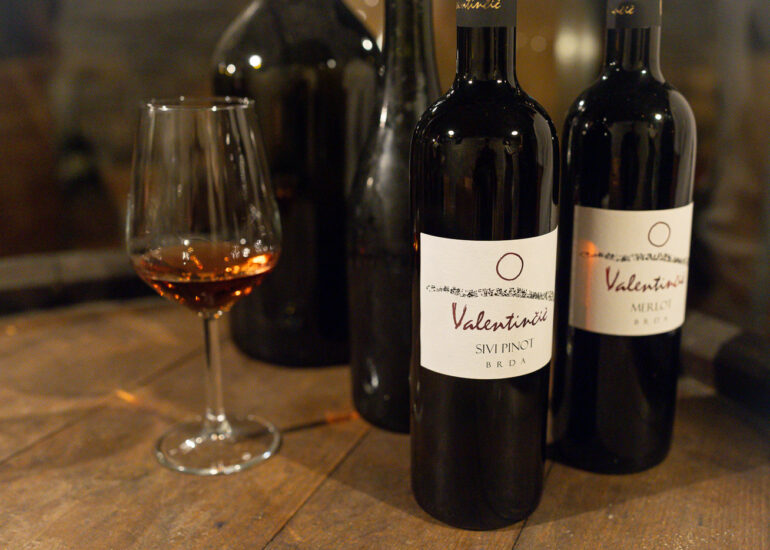
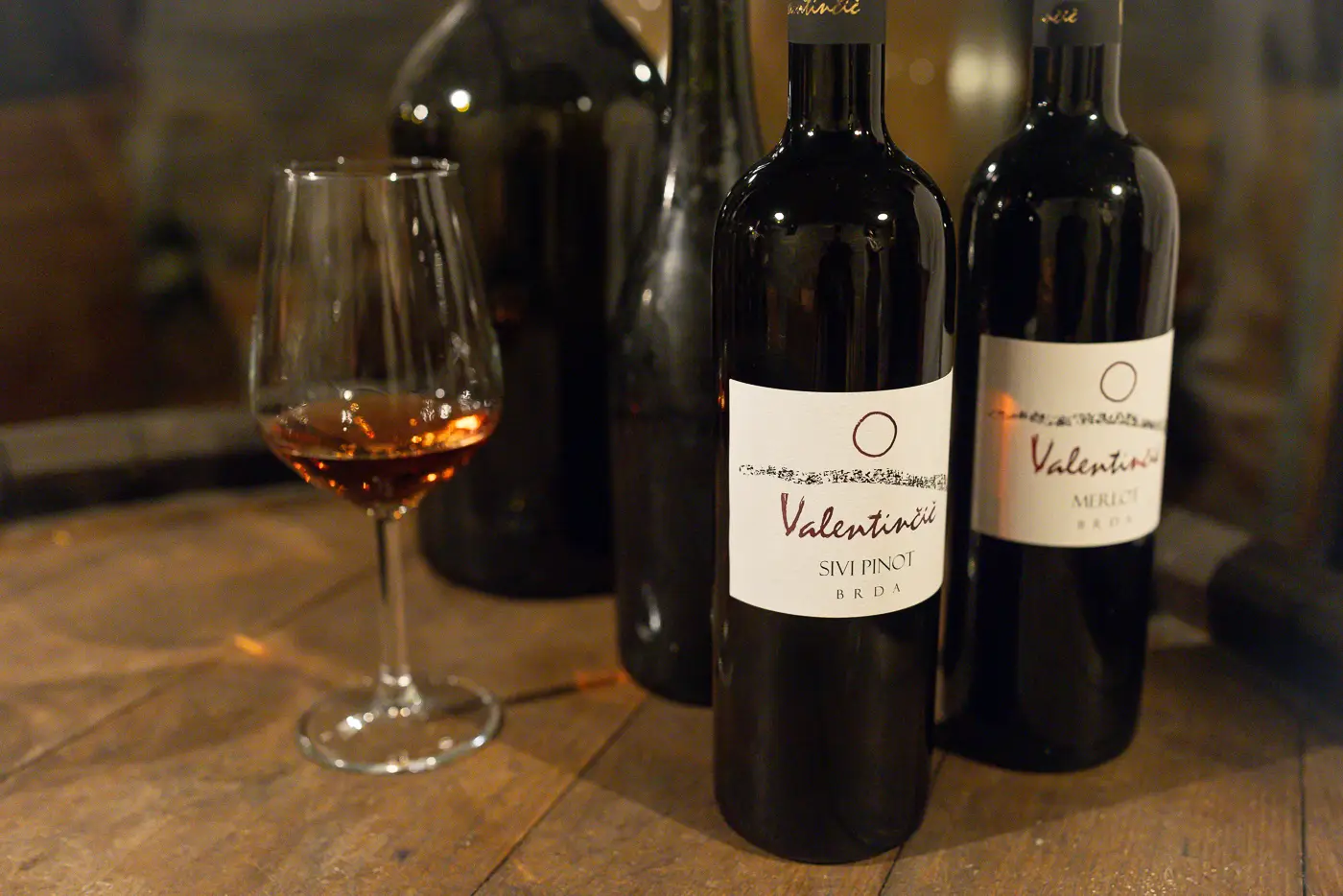
We stayed at a winery and spent an evening tasting wines with the local winemaker. Goriška Brda is particularly known for its white wines, especially Rebula, the region’s most famous indigenous grape. But Slovenia has also become well known for its orange wines—white wines fermented with their skins, using a very old winemaking technique that has been revived by a number of Slovenian winemakers.
From the Julian Alps to the Soča and Slovenia’s wine country
As we crossed into Italy after almost a month in Slovenia, we reflected on what makes Slovenia so unique.
One of the things is that it offers so much, from mountains to rivers to wine regions where you can bike, climb, hike, swim, or just relax. It also offers fascinating World War I history, including bunkers, monuments, and tunnels. But perhaps the best thing about Slovenia is the warmth of its people and the sense of authenticity that still exists in alpine and rural villages and on its family-run farms. Nearly everywhere we went, we found people friendly and welcoming, and because so many spoke at least some English, it was remarkably easy to connect with them and learn a bit more about their country than in other European countries. Overall, Slovenia may be small, but few places we have traveled have offered so much beauty, character, and variety in such a compact space.
Journals
Adventure Journals
video
Field Notes in Motion
Comments are closed.
adventure.wolves