“High mountains, old friends and adventures in the Swiss Alps”
In June, we began an eastward journey across the Alps, starting in Switzerland. Switzerland is a country of contrasts. On the one hand, it is cohesive, with a strong national identity and a long tradition of independence and neutrality. On the other, it is diverse, with different regions that have maintained distinct cultural identities, languages, and traditions.
But Switzerland is changing. Globalization, immigration, and population growth are reshaping Swiss society, while an aging population is creating additional economic and demographic pressures. Although many Swiss still describe their country as a “bubble,” insulated from many of the problems affecting the rest of Europe, others are struggling with the pace of change. In fact, several people we met told us that Switzerland no longer feels like the country they grew up in. But as we learned during our time in Switzerland, the Swiss are particularly sensitive to change.
The Engadin
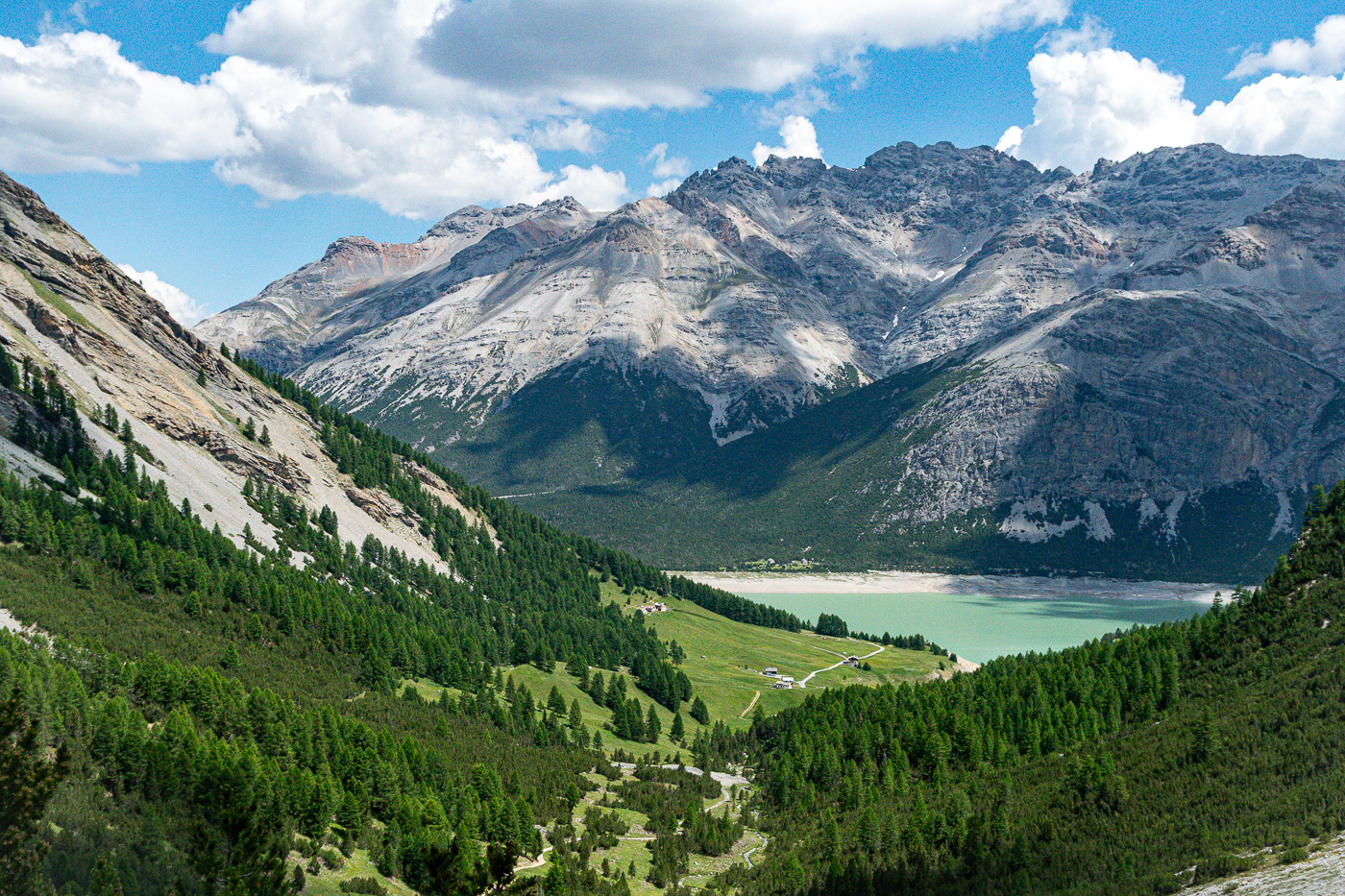
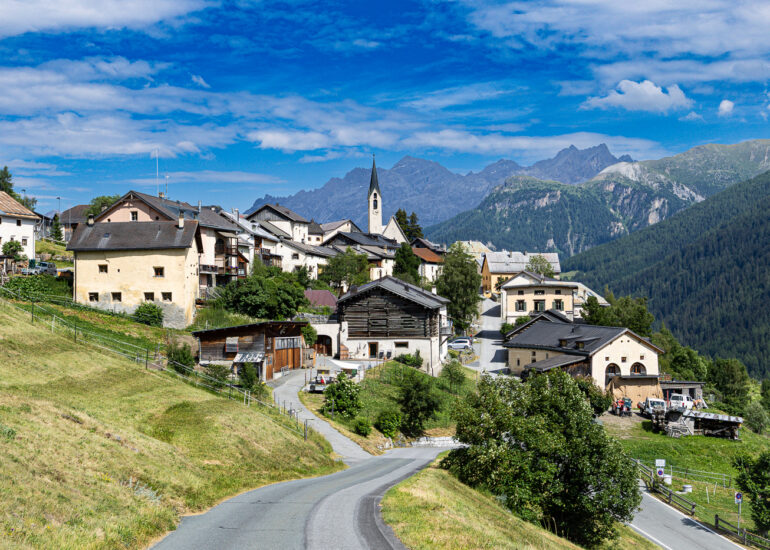
In June, we set out to explore some of the most culturally distinct regions of the Swiss Alps, starting with the Engadin.
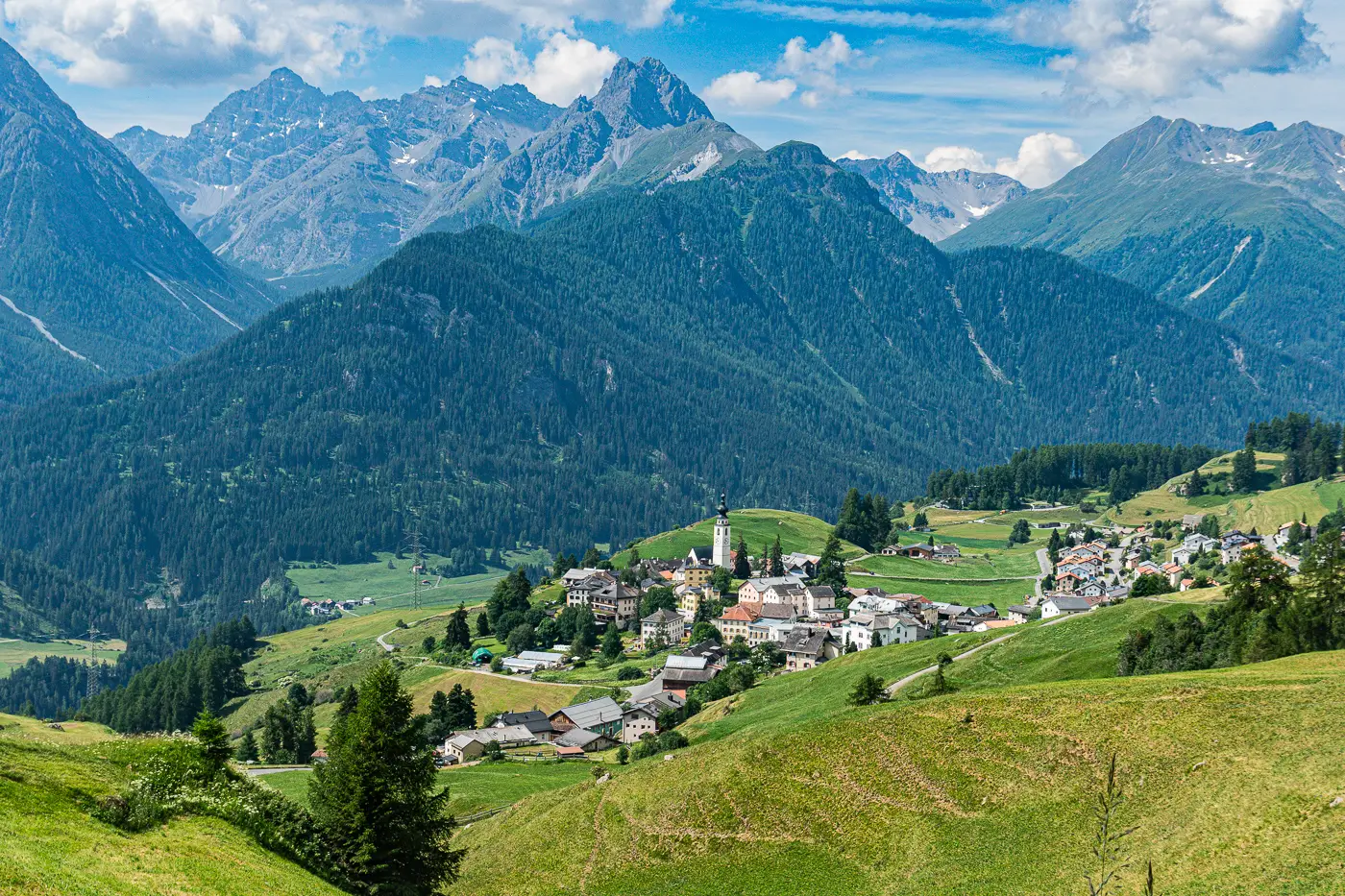
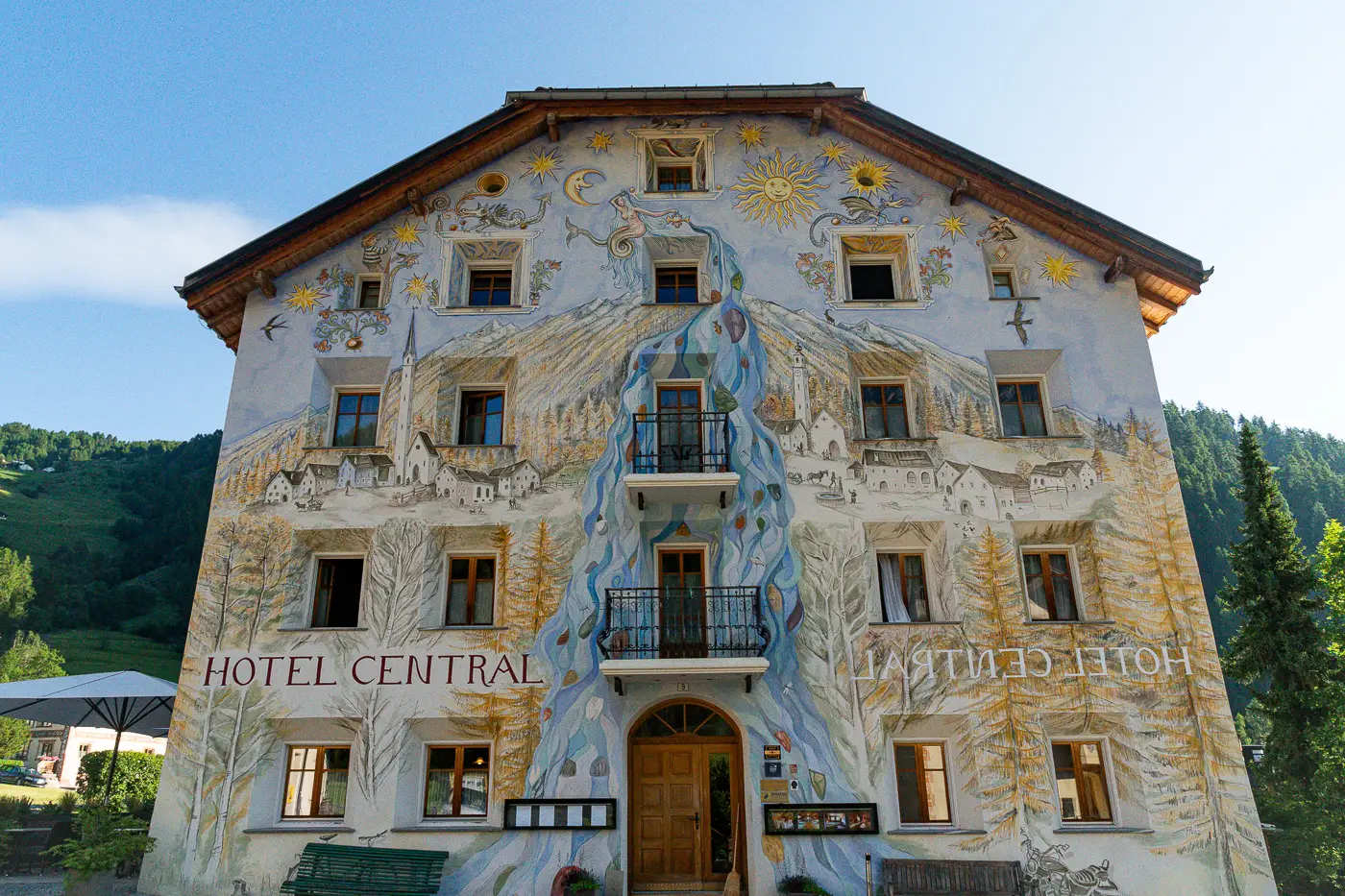
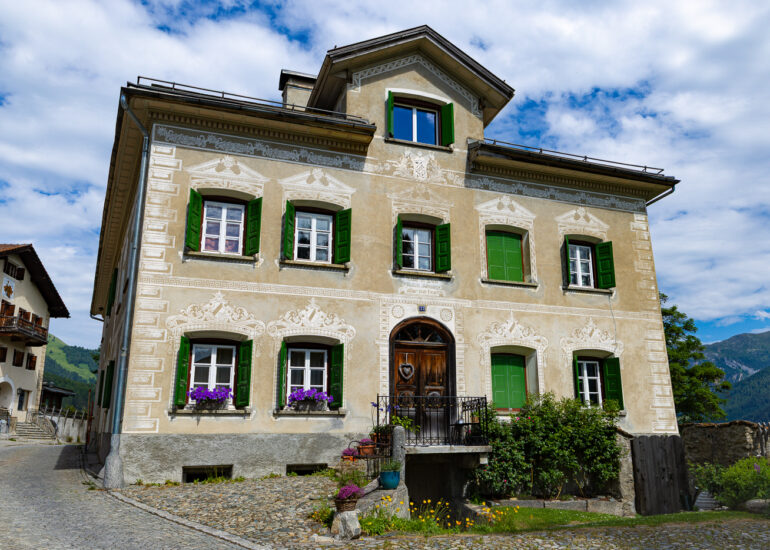
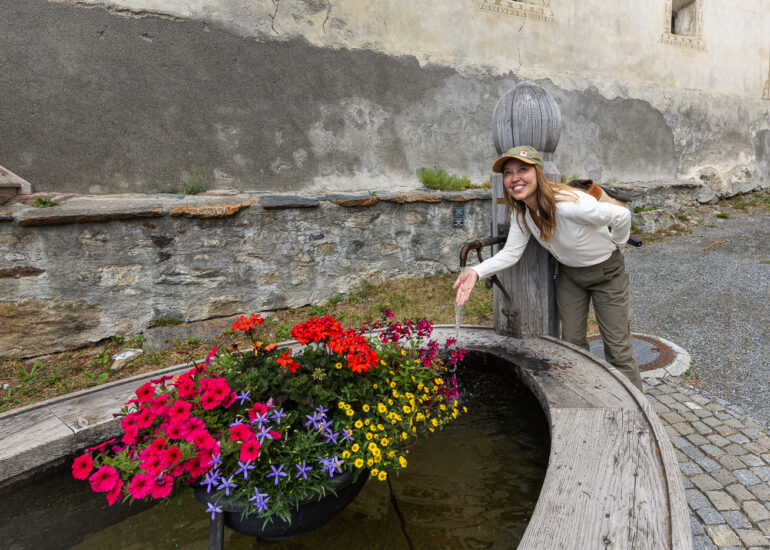
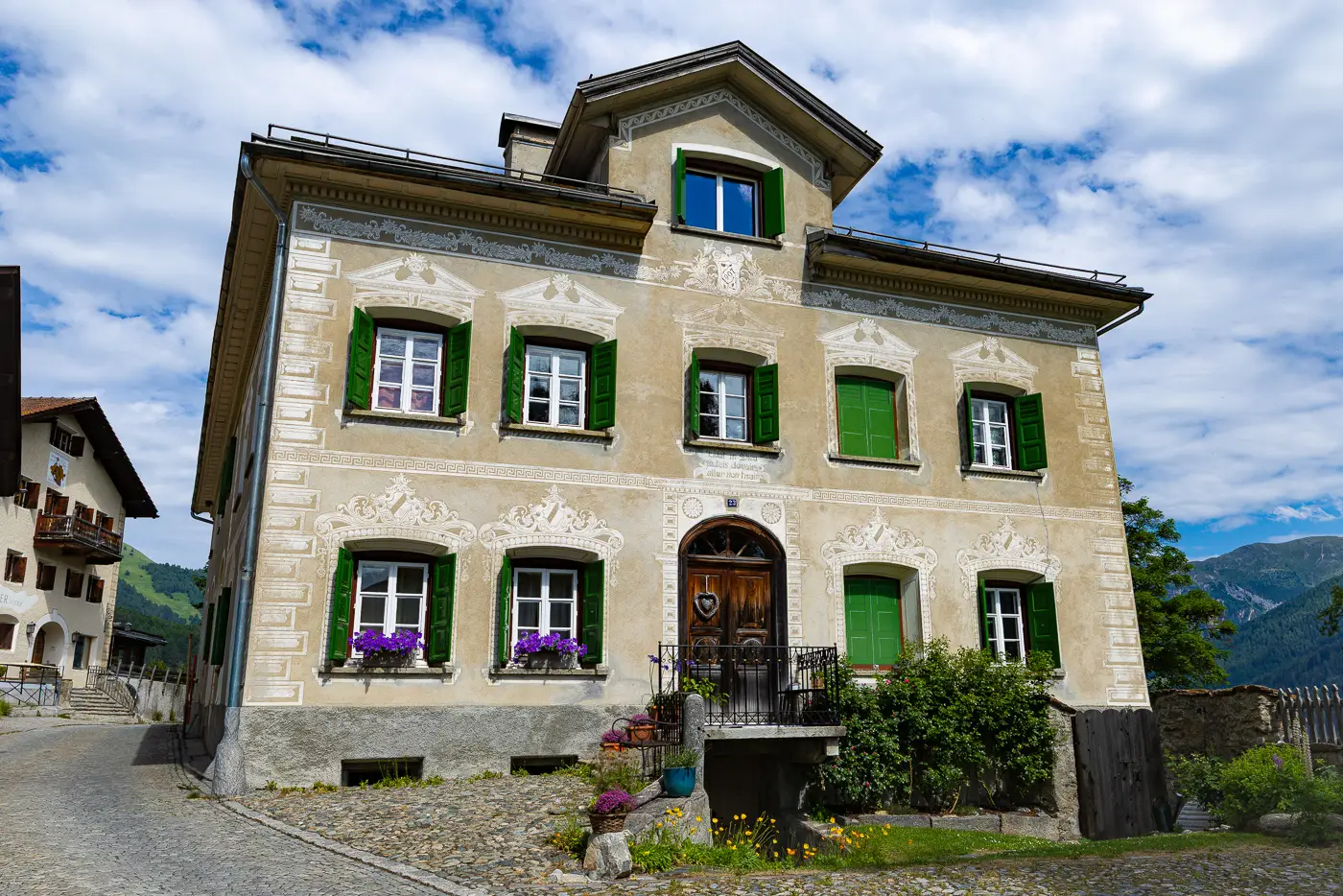
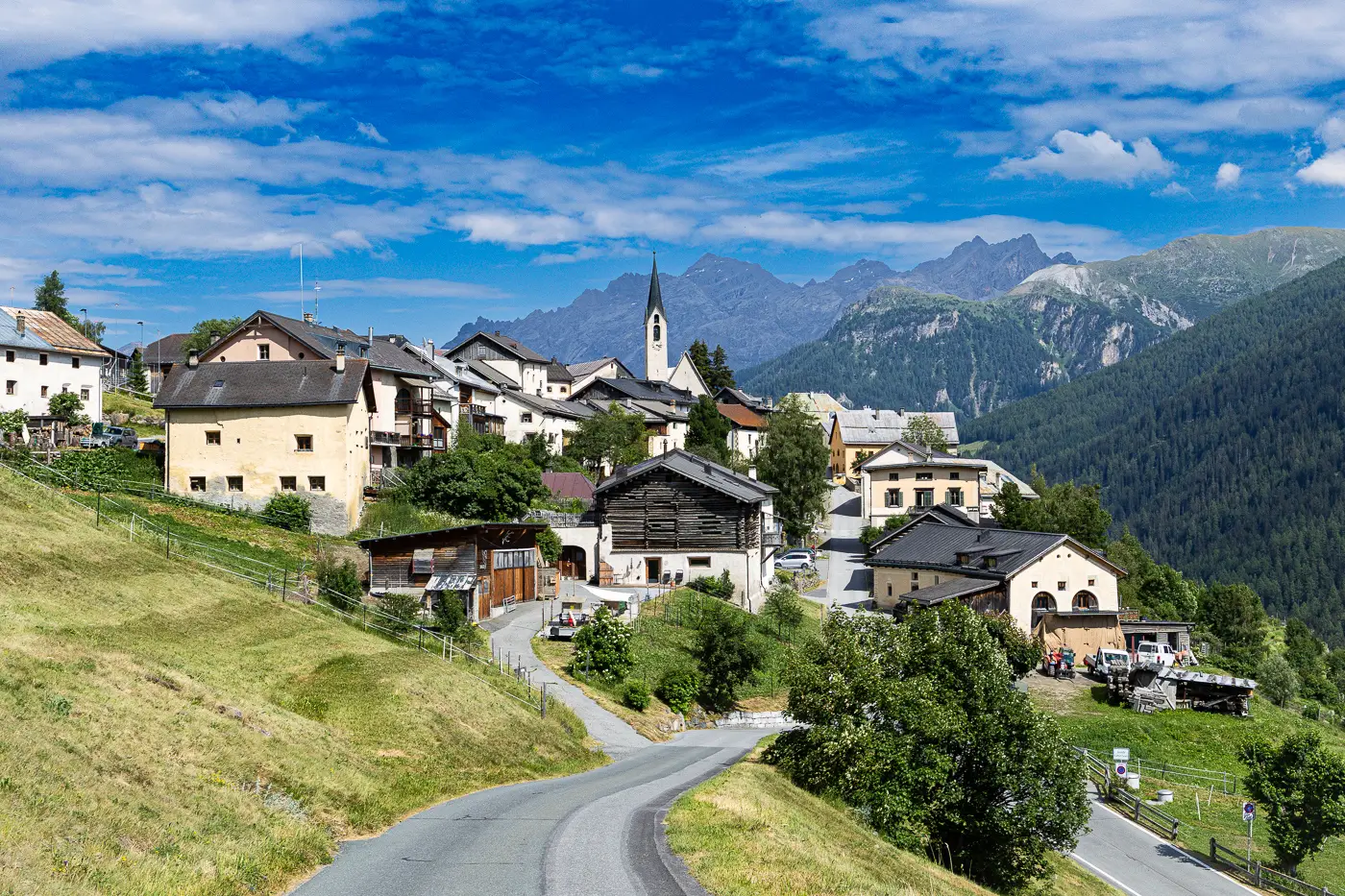
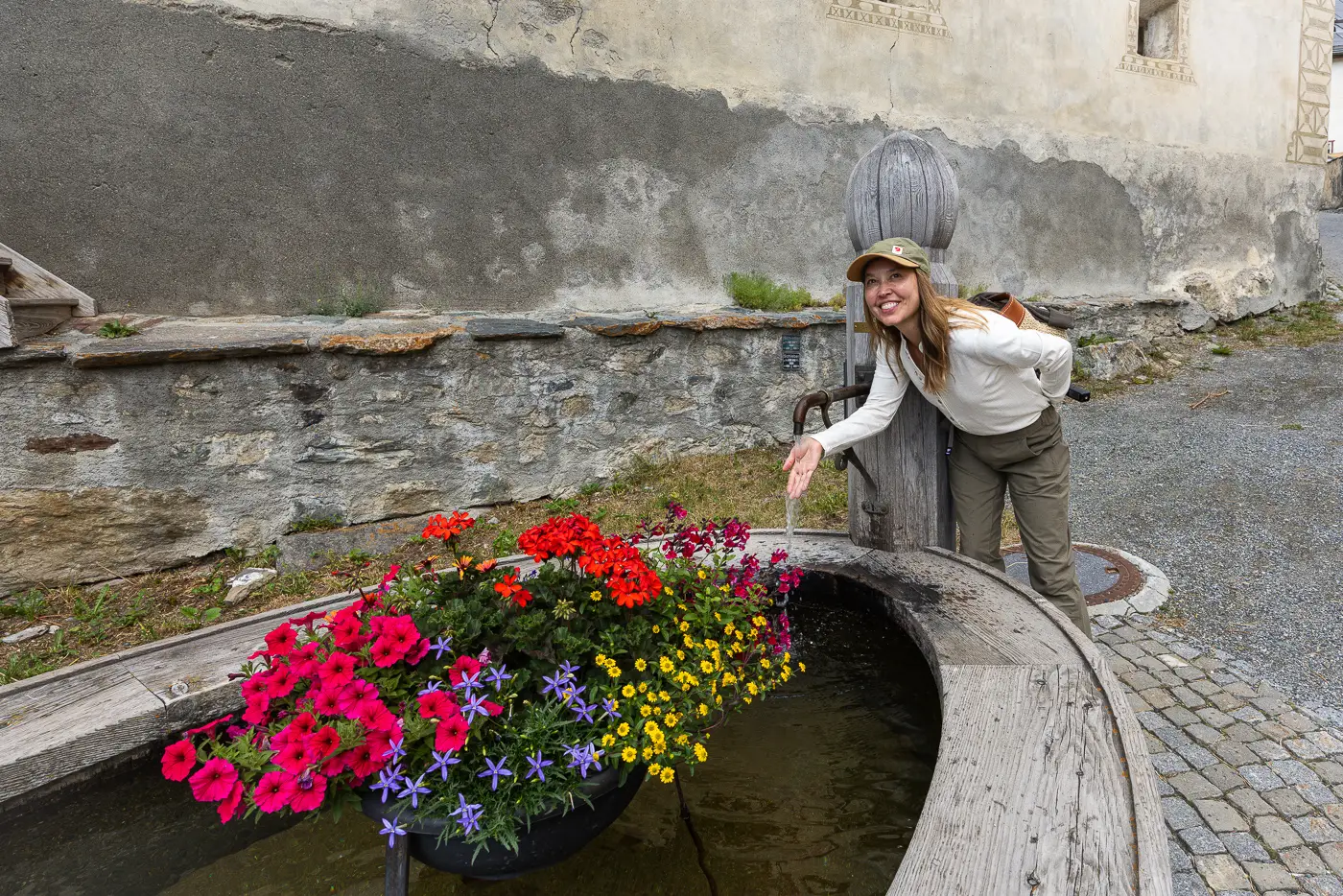
Located in southeastern Switzerland, the Engadin has a strong identity due in large part to its isolation and Romansh heritage. Romansh remains one of Switzerland’s four national languages and is still spoken throughout much of the valley, while traditional Engadin houses, decorated with elaborate sgraffito facades, give its villages an unmistakable character. The Lower Engadin is also known for its mineral springs, which have been used since the Middle Ages. Using Scuol as our base camp, we explored historic villages, hiked in the surrounding mountains, and soaked in Scuol’s mineral baths.
Marmot’s Land
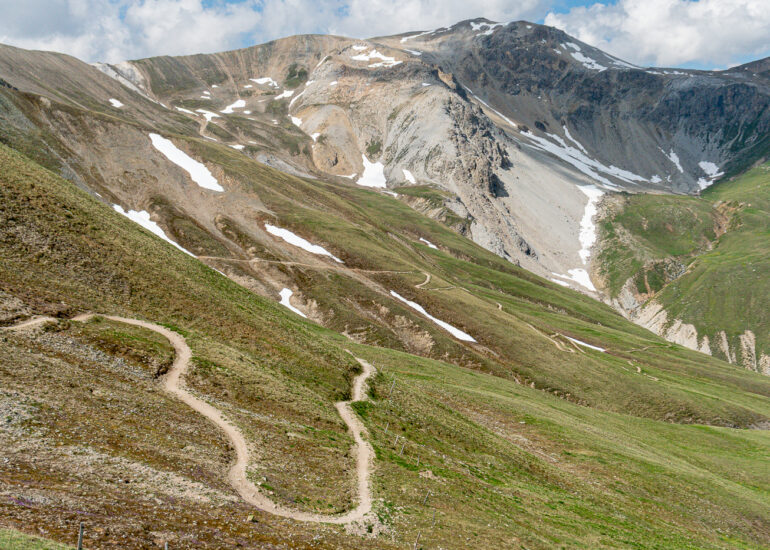
While in the Engadin, Karl also completed Marmot’s Land, a multi-day bikepacking route through southeastern Switzerland and a small section of Italy.
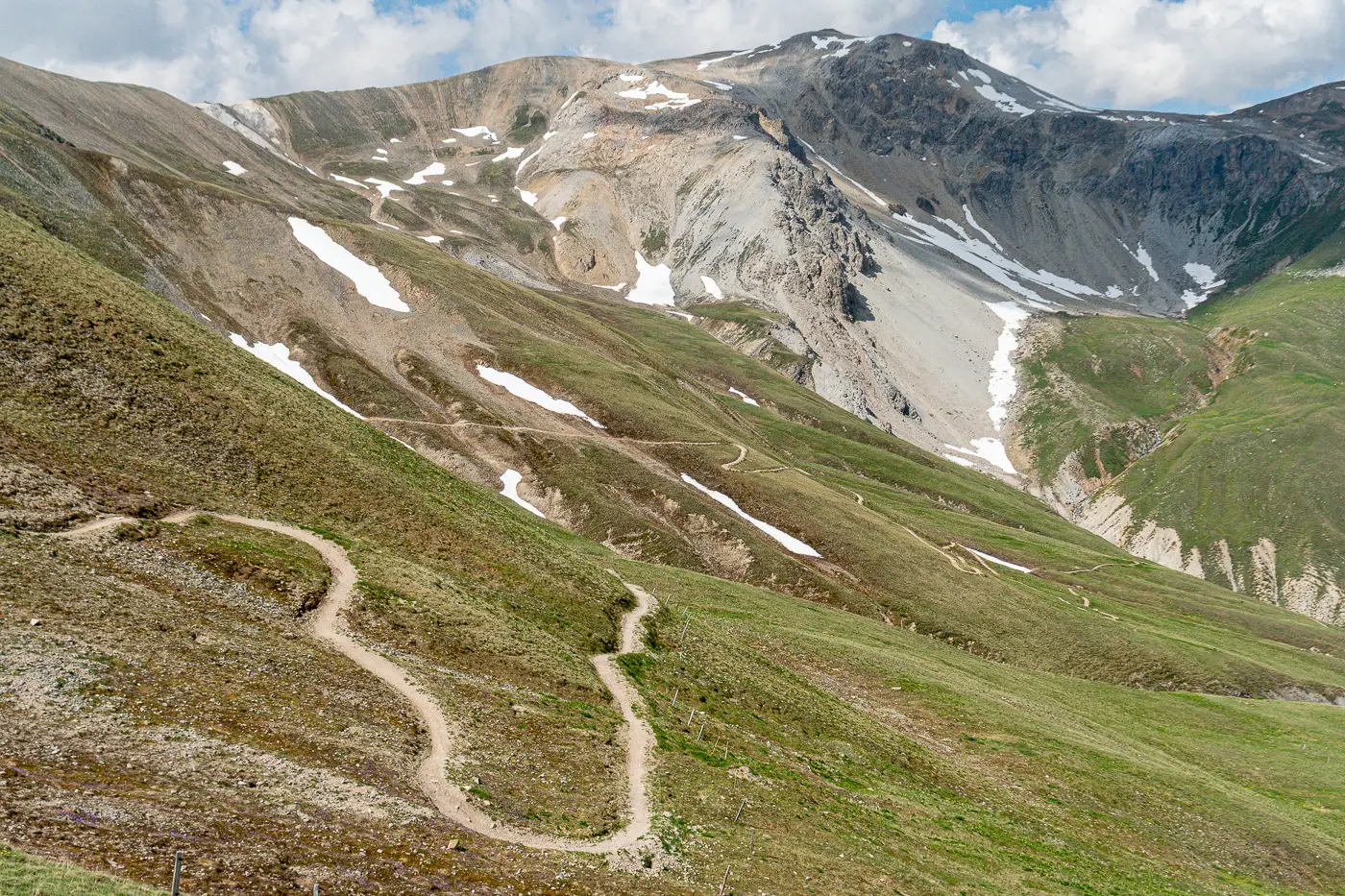
Following alpine singletrack and gravel roads, the route crosses high mountain passes and remote valleys around the Swiss National Park while also passing through numerous Engadin villages. It was not only a challenge but also a great way to experience parts of the region far beyond the places most visitors see.
The Valais
From the Engadin, we traveled west to Valais, an alpine region centered on the upper Rhône Valley and surrounded by some of the highest and most heavily glaciated mountains in the Alps.
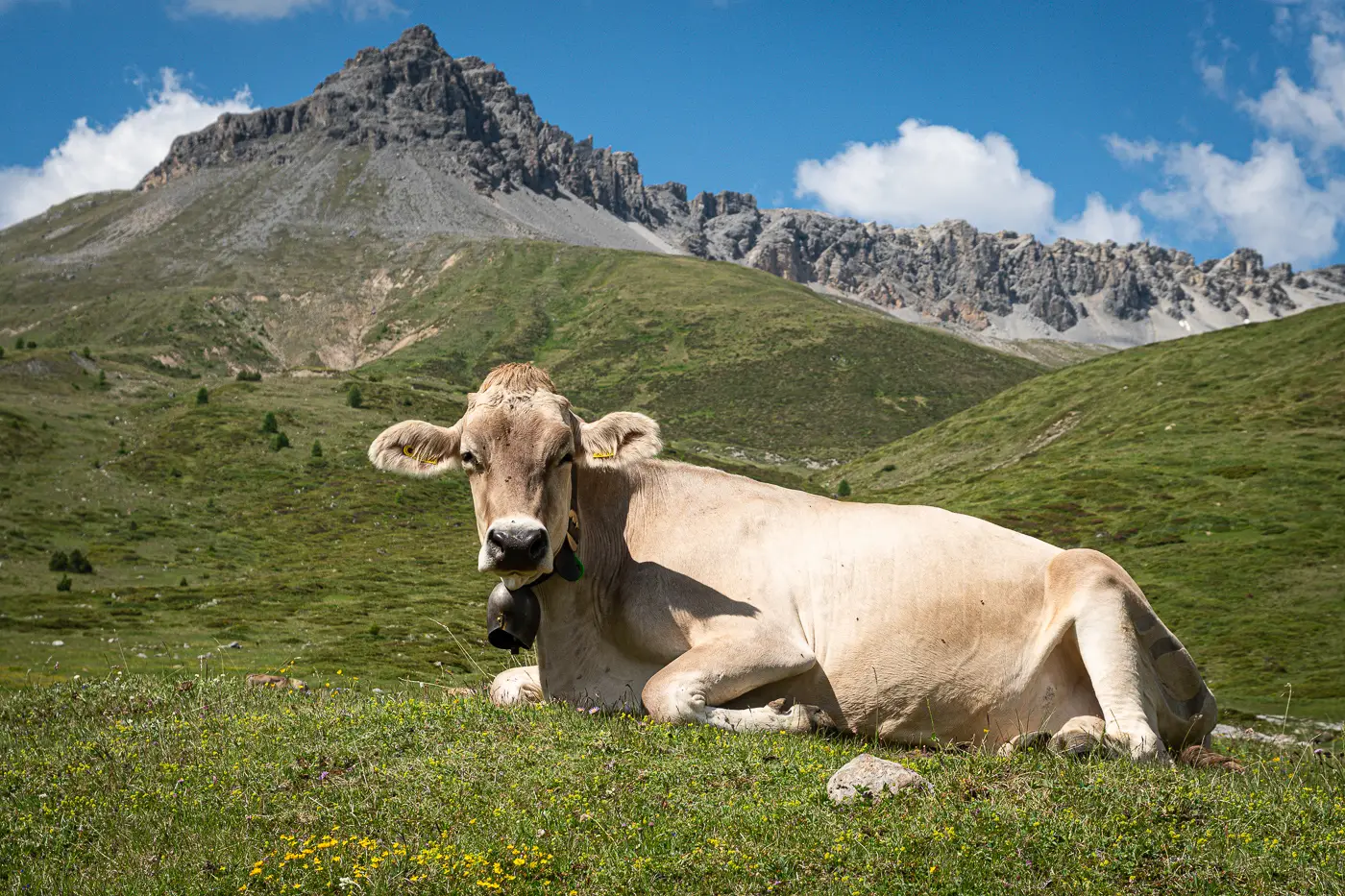
Valais also has a unique agricultural culture, including muscular black Hérens cows, a traditional Valais breed famous for establishing a hierarchy within the herd—a characteristic highlighted in the region’s long tradition of “queen” cow competitions.
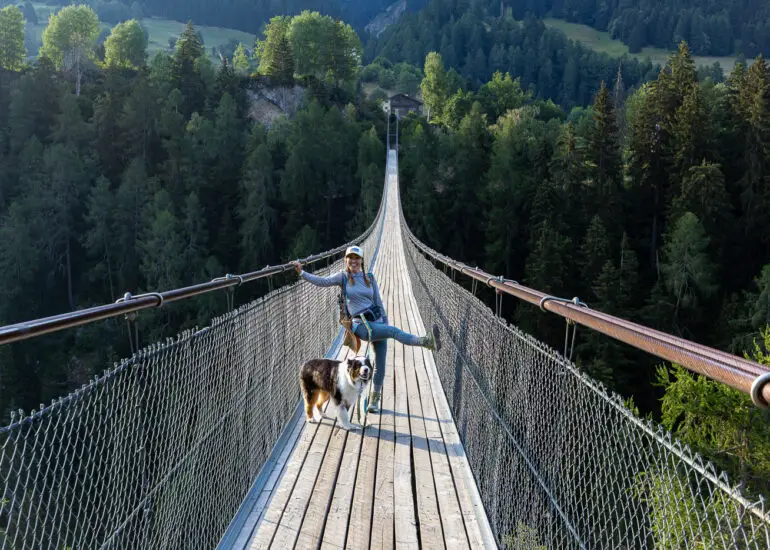
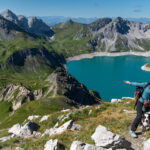
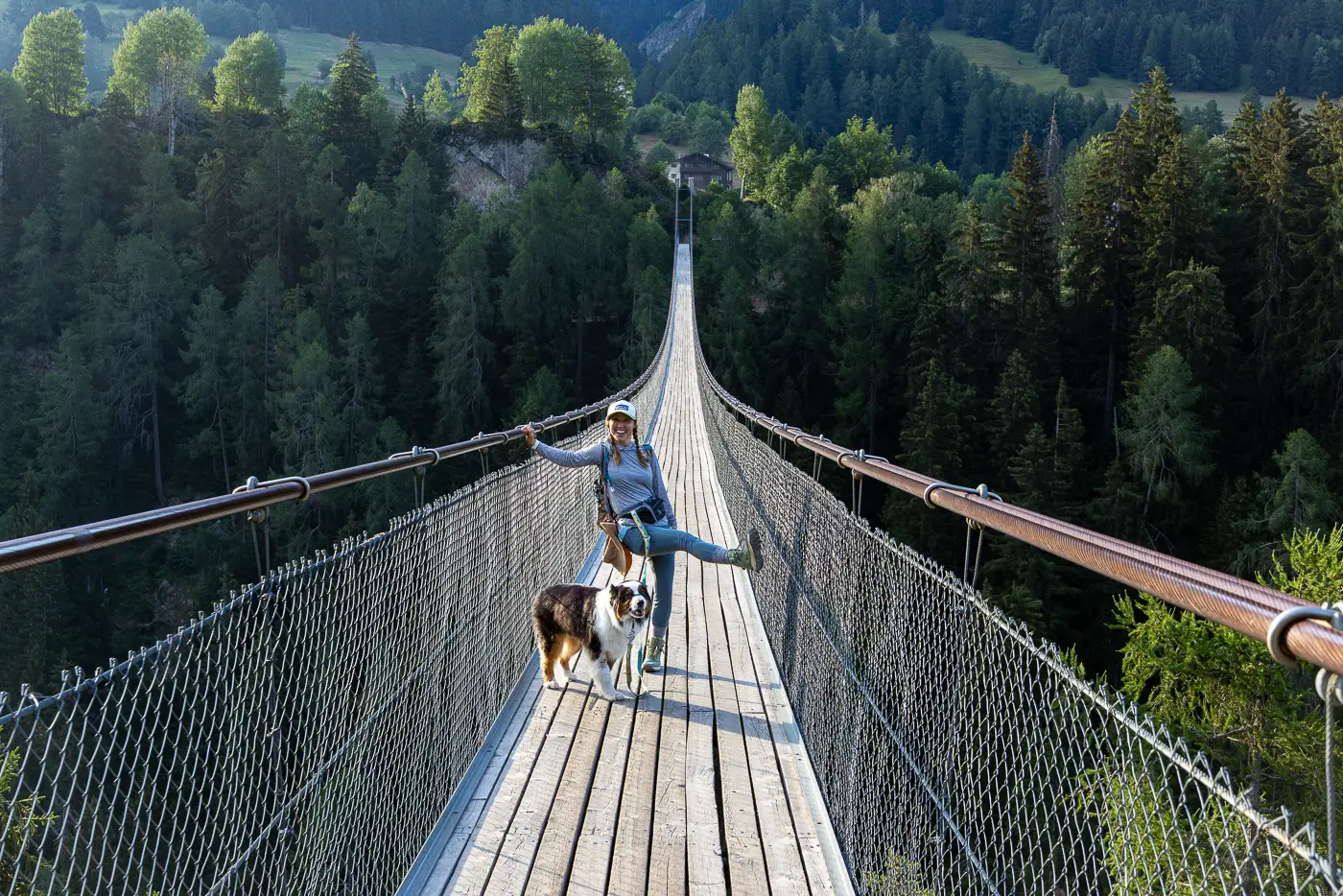
We based ourselves in Fiesch in eastern Valais, where we spent our time hiking through local villages and taking advantage of the region’s network of mountain lifts to access high-alpine trails and via ferratas. One of the highlights of our time in Valais was the biking, climbing, and hiking we did around and above the Aletsch Glacier, the largest glacier in the Alps. Compared with the Engadin, Valais felt much more dramatic and vertical, but a bit less culturally interesting to us.
The Äscher House Stubete
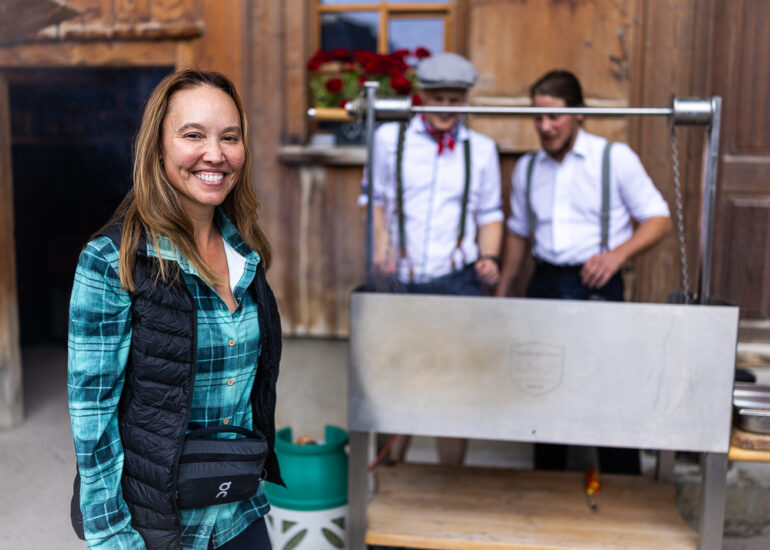
We wrapped up our time in Switzerland by taking advantage of an opportunity to attend a Stubete at the Äscher Mountain Inn with Stefan and Thomas, our Swiss friends whom we first met on the Pan-American Highway almost ten years ago.
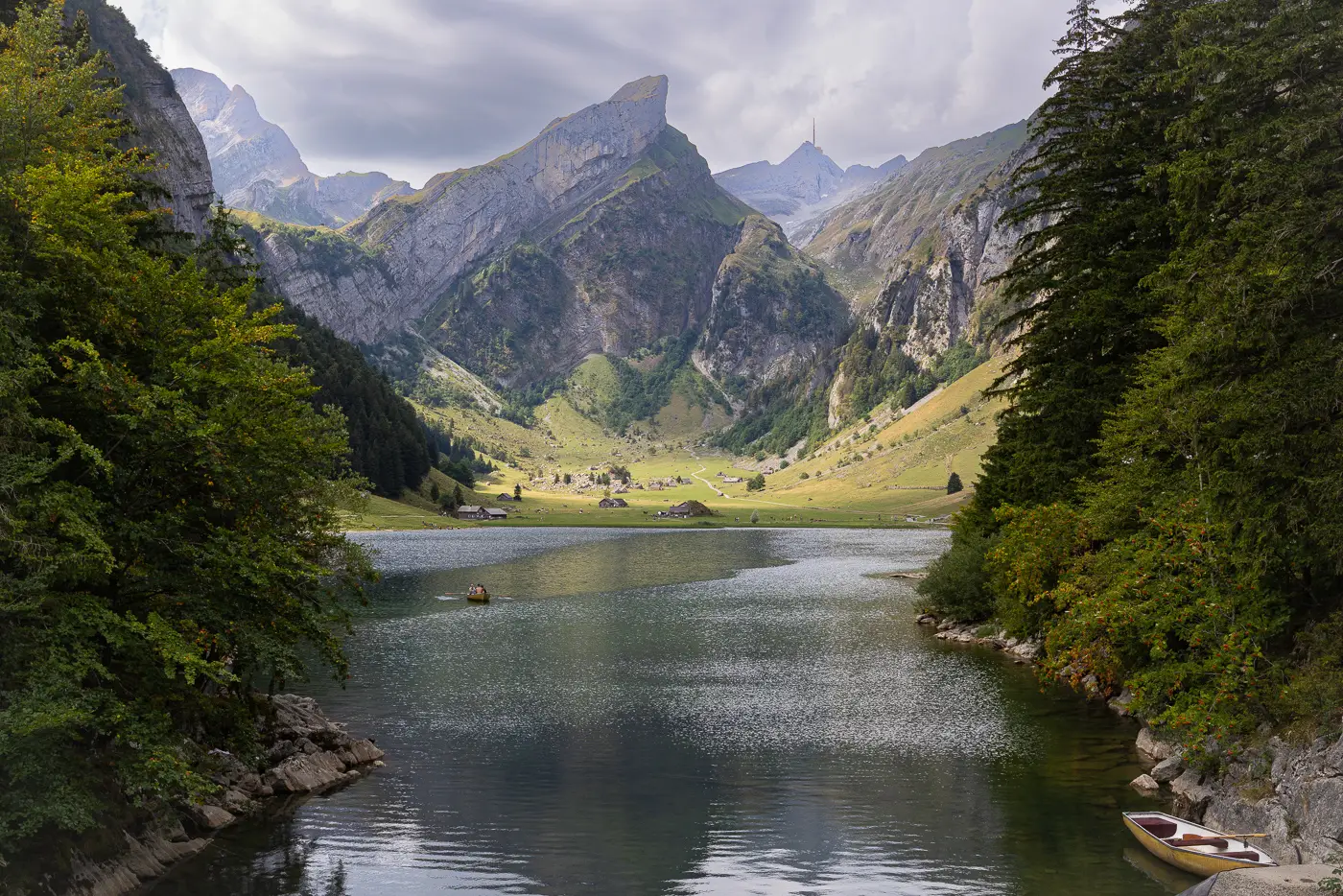
Built into the cliffs below Ebenalp in northeastern Switzerland, Äscher is one of the country’s most famous mountain inns, reached on foot through a huge cave and tucked beneath a massive limestone wall.
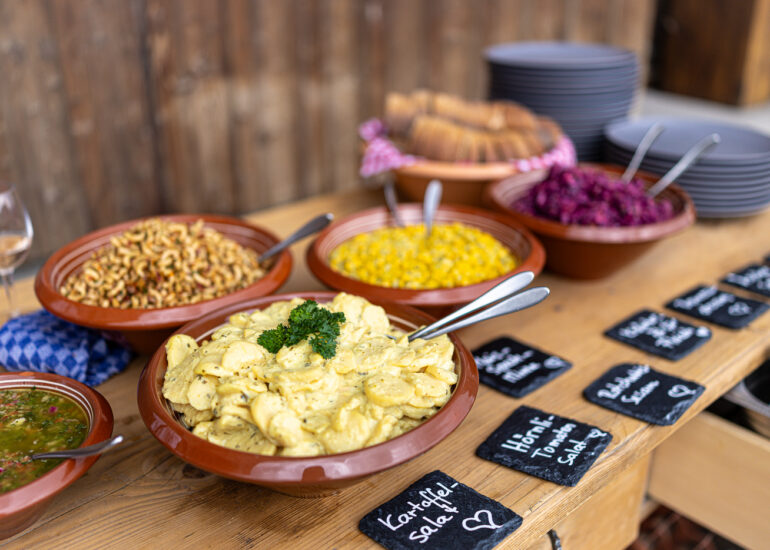
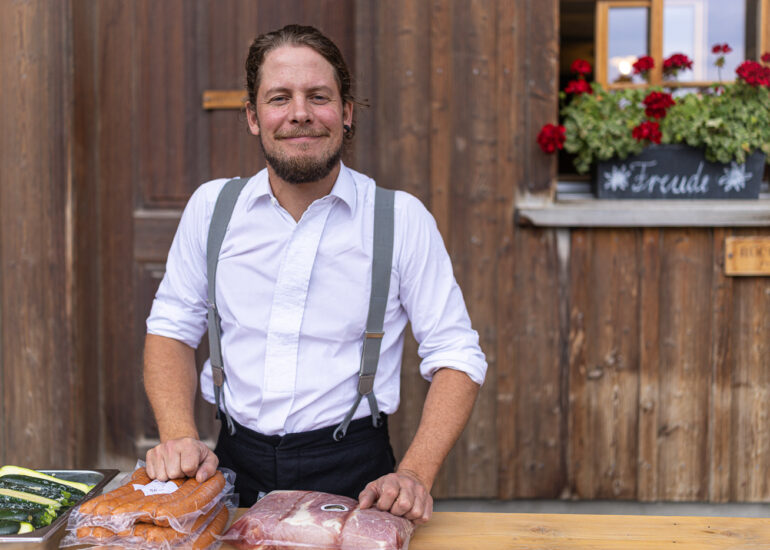
A Stubete is a traditional Swiss gathering centered on folk music. Experiencing one at Äscher, surrounded by our Swiss friends, gave us a glimpse into an intimate cultural tradition. It was also a fitting way to end our journey through Switzerland: after weeks of biking, hiking, and exploring the Swiss Alps, our final experience was about friendship, music, and the traditions that continue to give Switzerland its distinctive character.
High mountains, old friends and adventures in the Swiss Alps
Only time will tell how successfully Switzerland can preserve its distinctive culture and high quality of life while adapting to change.
Whatever the future holds, Switzerland is one of our favorite places to explore due to its amazing mountains and diverse regions packed into a relatively small country.